What Kind Of Water Do You Use For Baby Formula

You’re standing in the kitchen at 3 AM, bleary-eyed, holding a screaming baby and a tin of formula. The only thing on your mind is getting that bottle ready as fast as possibl...
You’re standing in the kitchen at 3 AM, bleary-eyed, holding a screaming baby and a tin of formula. The only thing on your mind is getting that bottle ready as fast as possible.
So you grab some water from the tap. But then a tiny, sleep-deprived thought creeps in: Is this the right water? Don’t worry, you are not alone in this midnight madness. Every new parent has asked this question, usually while wearing pajama pants that haven’t been washed in a week.
The Tap Water Talk
Let’s start with the most common choice: tap water. In most places, it’s perfectly safe for adults, but babies are different. Their little kidneys and immune systems are still on training wheels.
Must Read
The big concern here is fluoride. Many cities add it to tap water to prevent cavities in older kids, but too much can cause fluorosis (white streaks on a baby’s developing teeth). It’s not dangerous, but it’s not ideal.
A quick fix? If you use tap water, boil it for one minute and let it cool to room temperature. This kills any lingering bacteria and reduces some mineral content. Just don’t boil it for too long, or you’ll accidentally concentrate the minerals.
The Filtered Water Fad
So you think, “I’ll use my Brita pitcher—problem solved.” Hold on. Filtered water is great for coffee, but it’s not a magic bullet for formula. Most home filters (carbon filters) do not remove fluoride.
If you have a reverse osmosis system or a faucet-mounted filter that specifically says “reduces fluoride,” then you’re golden. Otherwise, you’re just paying for fancy tasting water that still might have the same minerals as tap.
Also, forget about those massive jugs of “purified” water from the store. They’re fine, but they’re also heavy. Picture yourself dragging a 5-gallon jug home while carrying a diaper bag. Your back will thank you for choosing a simpler option.
Bottled Water: The Lazy Parent’s Friend
Bottled water can be a total lifesaver, especially when you’re out and about. But read the label carefully. You want low-fluoride bottled water. Look for words like “purified,” “distilled,” or “demineralized.”
Avoid “spring water” or “mineral water” because they often have natural sodium and fluoride levels that are too high for tiny tummies. Remember: babies don’t need extra minerals—that’s what the formula is for.
One mom I know swears by a brand that says “for infants” right on the label. It costs a little more, but it’s one less thing to worry about during the 3 AM zombie shuffle. Worth every penny.
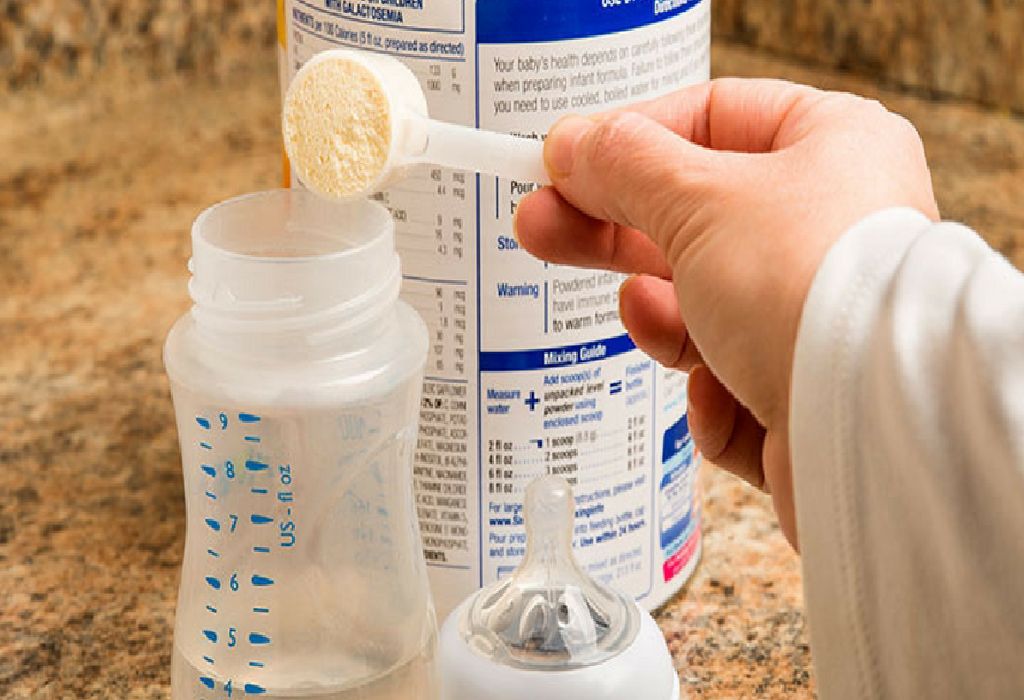 How To Make Formula With Bottled Water at Jamie Gibb blog
The Well Water Wonder
If you live in the countryside and have well water, you get some bragging rights. But you also have a special responsibility. Well water can contain nitrates (from fertilizer) or bacteria that are harmless to you but dangerous for a baby.
You must have your well water tested before using it for formula. The test should check for nitrates, lead, and bacteria. If anything shows up, switch to distilled or low-fluoride bottled water until the baby is at least 6 months old.
One friend’s well water had a funny taste, so she used it for her plants but not for her baby. Her basil grew like crazy, and her baby thrived. It’s okay to be a little bit of a snob about your baby’s water.
Room Temperature or Warm?
You’ve got the water source sorted. Now, do you need to heat it? No. Really. The American Academy of Pediatrics says that room temperature water is perfectly fine for formula. Your baby will get used to it, and you’ll save time.
But if you want to warm it (because you like seeing that little smile when they taste something cozy), just run the bottle under warm tap water for a minute. Never use a microwave—it creates hot pockets that can burn your baby’s mouth.
One dad I know heated the bottle while holding it under his armpit. “It’s the perfect temperature,” he said. We don’t recommend this, but we get it. Parenting is about survival, not perfection.
The Bottom Line (Without the Stress)
Here’s the simple cheat sheet: For most families, boiling tap water and cooling it is the cheapest, safest choice. If you’re worried about fluoride, use low-fluoride bottled water labeled “purified” or “distilled.”
If you’re rich and fancy, go ahead and buy the pre-made liquid formula. It’s sterile, ready to pour, and costs the same as a nice dinner out. Your baby won’t know the difference.
In the end, what matters most is that your baby gets fed, loved, and sleeps through the night—or at least until you’ve had one cup of coffee. So don’t overthink the water. You’ve got this. Just keep a few bottles of safe water ready, and save your energy for the important things: diaper blowouts and trying to find the pacifier that rolled under the couch.
