Potassium Chloride Water Softener Side Effects

So, you’ve just installed a water softener that uses potassium chloride, and now you’re wondering, “Am I accidentally turning my tap water into a weird science experiment?” Fi...

So, you’ve just installed a water softener that uses potassium chloride, and now you’re wondering, “Am I accidentally turning my tap water into a weird science experiment?” First off, take a deep breath. You’re probably fine. Potassium chloride is actually a common alternative to the classic salt (sodium chloride) softener, and it’s often marketed as a “healthier” option.
But hey, no system is perfect, and it’s smart to know what you’re getting into. Let’s chat about the potential side effects of potassium chloride water softeners, and I promise to keep the science jargon to a minimum (and the jokes, well, they might be bad... but at least they’re free!). Grab a glass of water—softened or not—and let’s dive in!
First Things First: What Even Is Potassium Chloride?
Potassium chloride (KCl for the fancy folks) is a mineral that your body actually needs to function—it’s a type of potassium, which your nerves and muscles love. In a water softener, it replaces the hard minerals (calcium and magnesium) with potassium instead of sodium. Think of it as the “herbal tea” version of salt: gentler, but still doing the job.
Must Read
The big upside? If you’re watching your blood pressure or have a sodium sensitivity, potassium chloride is a total win—it adds a tiny amount of potassium to your water instead of salt. But, as with anything that sounds too good to be true, there are a few quirks to note.
Side Effect #1: The “Oh, I’m Thirsty” Issue (Mild but Annoying)
Switching from salt to potassium chloride can sometimes make your water taste a little... different. It’s not bad, just slightly metallic or “tingly” to some people. It’s like when you drink a sports drink and get that faint mineral aftertaste. Most folks don’t notice it, but if you’re a super-taster, you might raise an eyebrow.
Also, because potassium is a natural diuretic (it makes you pee a bit more), you might find yourself visiting the bathroom a tad more often. Pro tip: Keep a water bottle handy—your kidneys are just doing a happy little dance.
Side Effect #2: The “My Plants Are Judging Me” Problem
Here’s a quirky one: if you’re a plant parent, your greenery might not love softened water—especially water softened with potassium chloride. Plants are drama queens when it comes to salt, even “good” salt. The extra potassium can build up in soil and mess with their nutrient balance, causing leaves to turn yellow or curl.
So, if you’re watering your prized orchid or tomato plants, just use unsoftened water for them. Or, as I like to say, “Tell your plants to get over themselves, but in a kind voice.” Alternatively, use rainwater or a bypass faucet—your fern will thank you.
Side Effect #3: The “Oh, My Wallet” Surprise (Cost & Maintenance)
Let’s be real: potassium chloride is more expensive than regular salt. Like, double the price or more. It’s like choosing the fancy organic kale over regular lettuce—good for you, but your bank account does a little sigh. You might also need to use a bit more of it because potassium chloride is less efficient at softening very hard water.
But here’s the silver lining: potassium chloride is gentler on your pipes and septic system than sodium. That means fewer costly repairs down the road. So, think of it as paying a little extra now to avoid a plumbing disaster later. Your future self (and your wallet) will high-five you.
Side Effect #4: The “Wait, Is This Bleach?” (Equipment Wear & Tear)
This one’s a bit nerdy, but bear with me. Potassium chloride can be more corrosive to certain metal parts in your softener, like the brine valve or seals, if not properly maintained. It’s not a huge deal—it’s not going to explode or anything—but it means you should check your system’s manual and maybe clean the brine tank more often.
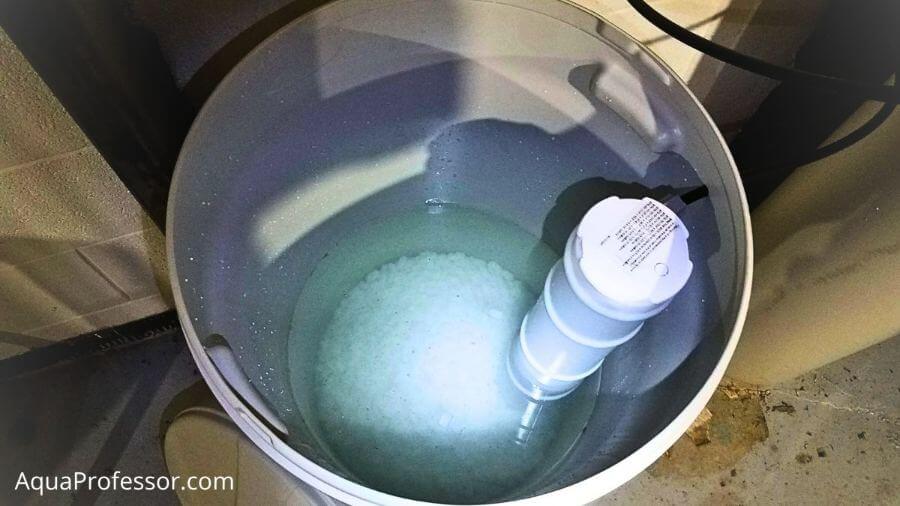 Water Softener Salt VS Potassium Chloride: Key Differences
Think of it like this: your water softener is a loyal pet, and potassium chloride is slightly “sassier” food for it. A little extra TLC (like annual maintenance) keeps it purring. Most modern softeners handle it fine, but if yours is old, just keep an eye on it. And maybe give it a nice pat on the tank.
Side Effect #5: The “Is This Speeding Up My Heart?” (Health Concerns for a Few)
Here’s the serious-but-not-scary part: potassium is great for most people, but if you have kidney issues or take certain medications (like ACE inhibitors or potassium-sparing diuretics), the extra potassium in your water could tip your levels out of whack. That’s rare, but it’s worth a quick chat with your doctor if you have pre-existing conditions.
For the other 99.9% of us, the amount of potassium you get from softened water is tiny—like, less than a banana’s worth per day. Your body is a clever machine; it just pees out what it doesn’t need. So unless your doctor says otherwise, don’t stress. You’re not going to turn into a human lightning bolt.
Side Effect #6: The “My Coffee Tastes… Off?” (Flavor Quirks)
Okay, this one is just for the coffee snobs and tea connoisseurs. Softened water (whether with salt or potassium) can alter the taste of your morning brew. Some people swear their coffee tastes “flatter” or “soapier.” Potassium chloride might give it a slight mineral twist that your favorite roast didn’t sign up for.
Easy fix: use unsoftened water for drinking and cooking! Most softeners come with a bypass valve or you can install an undersink reverse osmosis filter. That way, your coffee stays perfect, and your pipes stay happy. It’s a win-win—like having your cake and drinking it too.
So, Should You Ditch Your Potassium Chloride Softener?
Heck no! The side effects are mostly minor, easily managed, and often outweighed by the health benefits (no extra sodium!). Just be a little smart: bypass your plants, maintain your system, and listen to your body. If you feel weird, talk to a doc. Otherwise, enjoy your soft, silky skin, your spotless dishes, and your low-maintenance showers.
Uplifting Conclusion (The Smile Guaranteed Part)
Here’s the thing: life is full of trade-offs, and your water softener is no exception. But choosing potassium chloride is like choosing the friend who brings you a healthy smoothie instead of a bag of chips—they mean well, and they might even help you feel better. Sure, you’ll water your plants separately (and maybe buy a little more potassium), but you’re also doing your heart a favor and saying “no thanks” to extra salt.
So drink up, my friend! Your water is soft, your soul is hydrated, and you’re one step closer to being the most balanced, potassium-powered human on the block. Just don’t forget to smile at your water softener when you walk by—it’s working hard for you. And if your coffee tastes a bit funny? Embrace the quirk. It’s just your water saying, “I’m different, and that’s okay.” Cheers to that!
