How Many Ounces Of Water Should Be Drink A Day

You know that friend who carries a gallon jug of water everywhere? The one who sips it during meetings, at the gym, even while walking their dog? I once asked mine, “Are you h...

You know that friend who carries a gallon jug of water everywhere? The one who sips it during meetings, at the gym, even while walking their dog? I once asked mine, “Are you hydrating for a marathon or a desert crossing?” She just glared at me, took another sip, and muttered something about “toxins.” I had to know—was she onto something, or was she just a prisoner of her own bladder?
So I dove into the whole “how many ounces of water should you drink a day” debate. Spoiler: it’s not a one-size-fits-all answer, and the gallon thing? It’s not for everyone. Let’s get real about hydration, laugh a little, and figure out what your body actually needs.
The Old “8×8” Rule—And Why It’s Kinda Fuzzy
We’ve all heard it: eight 8-ounce glasses a day. That’s 64 ounces, give or take. Sounds simple, right? But here’s the thing—that rule is more rumor than science. It probably came from a 1945 recommendation that said we need roughly 64 ounces of total water intake, but that includes water from food (think soups, fruits, veggies).
Must Read
So if you’re chugging 64 ounces of plain water on top of a salad and an apple, you might be overdoing it. Your kidneys are polite, not pushovers. They’ll just flush out the extra, leaving you peeing more than a racehorse—and possibly feeling bloated.
Newer Guidelines: The Institute of Medicine (IOM) Weighs In
Forget the old wives’ tale. The Institute of Medicine took a hard look at the data and gave us more specific numbers. For men, they suggest about 125 ounces (3.7 liters) of total water per day. For women, about 91 ounces (2.7 liters). Notice I said “total water”—that includes what’s in your coffee, tea, and that juicy watermelon slice.
But wait—before you start measuring your morning latte as “hydration,” remember that caffeine is a mild diuretic. It makes you pee a little more, but for most people, the water in your coffee still counts. (Yes, your morning ritual counts—go ahead, feel smug.) Still, these are averages, and your mileage will vary.
Factors That Mess With The Numbers
Are you active? Do you sweat like a sinner in church? Your needs go way up. A hard workout can require an extra 12 to 32 ounces per hour of exercise. Also, if you live in a hot or humid climate, you’re losing fluids faster. And don’t forget altitude—flying or hiking in the mountains can dehydrate you extra quickly.
Pregnancy and breastfeeding? Buckle up. The IOM recommends an extra 24 to 32 ounces per day for nursing moms. And if you’re sick with a fever, vomiting, or diarrhea—you might need to double your intake temporarily. Listen to your body, not a random chart.
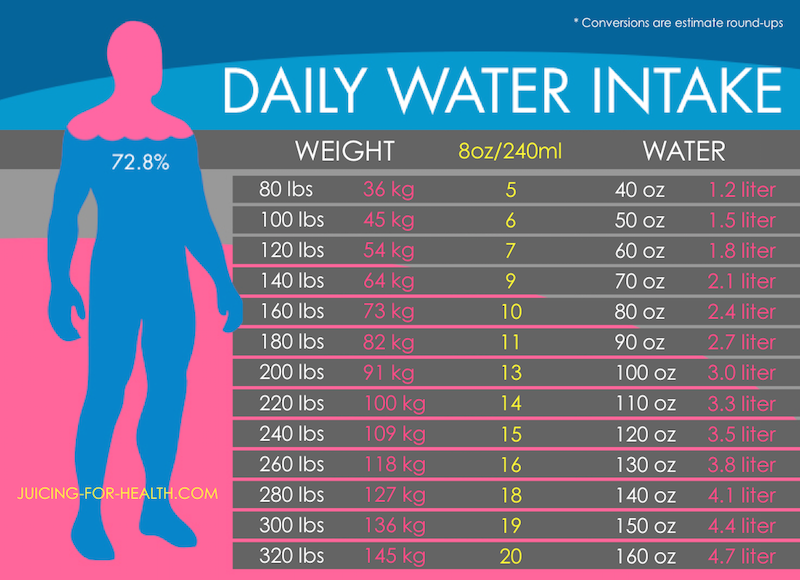 How Much Water Should You Drink Daily To Keep Hydrated?
A Simple (And Slightly Ironic) Trick To Know If You’re Drinking Enough
Forget the calculator. The best gauge is your urine color. Yes, I’m serious. Google “urine color chart” if you want to get clinical. The sweet spot is a pale yellow—like lemonade. If it’s dark like apple juice, drink up. If it’s crystal clear, you’re probably over-hydrating, which can actually dilute your electrolytes and make you feel woozy.
Another clue? Thirst. If you’re thirsty, you’re already about 1-2% dehydrated. Not a crisis, but a nudge. So try sipping water throughout the day, not just when your mouth feels like sandpaper. (And if you’re like me and forget, set a gentle phone reminder—it’s less annoying than you’d think.)
What About The “8 Glasses” Diehards?
Look, the 64-ounce rule isn’t harmful for most people—it’s just not tailored. If you’re a 150-pound woman who sits at a desk all day, 91 ounces might be too much. If you’re a 200-pound man training for a triathlon, 125 ounces might be too little. Your body is not a vending machine. It’s a complex, wonderful, occasionally grumpy organism.
So here’s my friendly advice: start with the IOM numbers, then adjust based on your pee color, thirst, and activity. Aim for water as your main drink, but don’t stress over a cup of coffee or a can of seltzer. And please, for the love of all things holy, don’t carry a gallon jug if you don’t have to. Your hands (and your bathroom schedule) will thank you.
So next time someone asks, “How many ounces should I drink?”—smile, tell them it depends, and maybe offer them a glass of water. They might just need one. Or they might be fine. But hey, it never hurts to be kind—and hydrated.
