Reverse Osmosis Water Filter For Microplastics

Let’s be honest: you probably didn’t wake up this morning thinking about microplastics. You were more concerned with finding matching socks or convincing yourself that coffee...
Let’s be honest: you probably didn’t wake up this morning thinking about microplastics. You were more concerned with finding matching socks or convincing yourself that coffee counts as breakfast. But then you read that headline—the one about tiny plastic bits floating in your tap water—and suddenly you’re side-eyeing your glass like it’s a suspicious character in a noir film.
Here’s the deal: microplastics are basically the confetti of the modern world. They come from everything—your synthetic yoga pants, that takeout container you microwaved, and even the dust in your living room. They’re so small you could fit a million of them on a pinhead, yet they’ve somehow ended up in our oceans, our fish, and, yes, your morning oatmeal.
So how do you fight back without moving to a cabin in the woods? Enter the reverse osmosis water filter. Think of it as that overachieving friend who brags about their juicer—but this one actually works. It pushes water through a membrane so fine that it catches everything: lead, arsenic, fluoride, and those invisible plastic party crashers.
Must Read
How Reverse Osmosis Works (The Non-Boring Version)
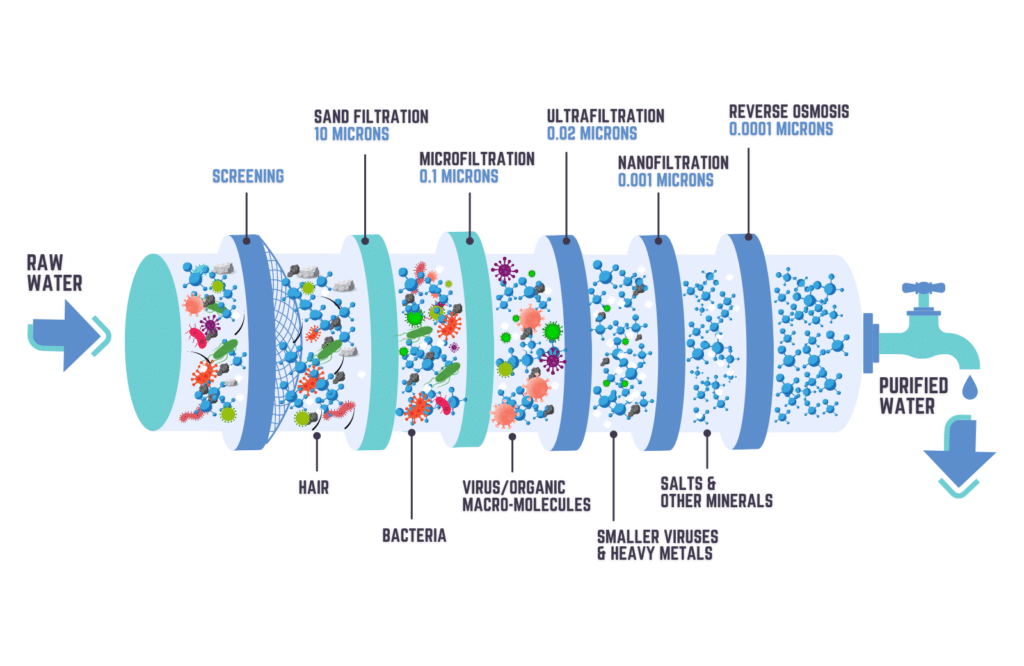
Imagine you have a colander with holes so small only water molecules can squeeze through. Now imagine you have a tiny bouncer at the door who says, “Sorry, Mr. Polyethylene, you’re not on the list.” That’s basically reverse osmosis. It uses pressure to shove water through a semi-permeable membrane, leaving behind nasty stuff like microplastics, heavy metals, and that weird chlorine taste.
There’s a catch, though. Reverse osmosis systems are a bit like that roommate who’s obsessed with recycling: they’re thorough but a little wasteful. They typically reject 3 to 4 gallons of water for every gallon they filter. So you’ll hear a lot of gurgling and draining, like a sink with aspirations of becoming a waterfall.
But here’s the good news: modern systems are getting smarter. Some now have a permeate pump that recycles the wastewater, so you’re not sending your water bill into orbit. And if microplastics are your main worry, you don’t even need the most expensive model—a basic RO unit will catch particles down to 0.0001 microns, which is way smaller than the average microplastic (about 5 microns).
The Microplastic Menace in Everyday Life
Remember that time you microwaved leftover pasta in a plastic container, and the lid warped like it was auditioning for a horror movie? Yeah, that’s shedding microplastics directly into your sauce. And don’t even get me started on tea bags—some are sealed with plastic glue, so you’re literally steeping a tiny bag of toxic glitter.
The real kicker? These particles are so small they can sneak through your body’s defenses. Scientists have found them in baby bottles, bottled water, and even in the air. It’s like finding out your favorite t-shirt is made of spiderwebs—barely visible but everywhere.
But before you panic-buy a reverse osmosis filter, know this: you already have some protection. Your tap water usually goes through municipal filtration that catches big particles. But microplastics are smug—they’re designed to bypass casual filters like a mosquito through a busted screen door.
Why Reverse Osmosis Wins the Microplastic Battle
Here’s where the science gets fun. Reverse osmosis membranes are made of thin-film composite polymer (fancy talk for “space-age plastic that hates other plastic”). When water hits that membrane, the microplastics are repelled like cats at a dog party. They either get trapped or flushed away, leaving you with water so pure you could pour it over a pristine glacier and nobody would complain.
 Does Reverse Osmosis Remove Microplastics? RO vs. UF – Frizzlife
I have a buddy named Kevin who installed one under his kitchen sink. He now offers visitors a “microplastic-free tasting flight” of his tap water. It’s ridiculous, but he’s been oddly healthier—and smugger—than the rest of us. He claims his plants are even perkier, though that might be the placebo effect.
What about bottled water? You might think buying gallons at the store is safer, but studies show bottled water often contains more microplastics than tap water. So you’re basically paying extra for bottled plastic in your plastic. That’s like ordering a salad at a burger joint—pointless and a little sad.
The Installation (Or, Your New Weekend Project)
Installing a reverse osmosis system is easier than assembling IKEA furniture but harder than making toast. Most models come with a kit and a YouTube tutorial that’s 12 minutes long and narrated by someone who sounds like a laid-back surfer. You’ll need to drill a hole in your countertop or use a faucet adapter, which is mildly terrifying for us non-handy types.
Once it’s running, you’ll notice a tiny spigot next to your regular faucet. It’s like having a second sink for fancy water. You’ll start filling glasses with pride, showing it off to guests like it’s a pet goldfish. “Want some water?” you’ll ask. “It’s been reverse-osmosed. Yes, we’re those people now.”
Maintenance is the real kicker. You’ll need to change the pre-filter every six months and the membrane every couple of years. It’s not hard—just a twist and click—but you might forget until your water starts tasting “metallic,” which is nature’s way of saying, “Hey, remember me?”
The Bottom Line: Is It Worth It?
If you worry about microplastics—and let’s be real, who doesn’t after eating that story about sperm counts and polyester—a reverse osmosis filter is a solid investment. It’s like buying a helmet for your water. It won’t fix everything (good luck finding plastic-free raincoats), but it’ll stop the obvious offenders.
And here’s the kicker: you won’t just be saving yourself from plastic confetti. You’ll also enjoy water that tastes crisp, clean, and honest. No chlorine, no weird metal aftertaste—just H2O doing what water does best: being refreshing and not making you think about industrial runoff.
So go ahead. Get that reverse osmosis filter. You’ll smile every time you pour a glass, knowing you’ve outsmarted the most microscopic of party crashers. Just don’t forget to change the filters—and maybe warn your friends about the tasting flight.
