Reliable Water Supply Systems For Coffee Shops

So, you’ve got a coffee shop. You’re serving up liquid gold, right? But here’s the thing—without a reliable water supply, that gold turns into rusty tap water. And nobody pays...
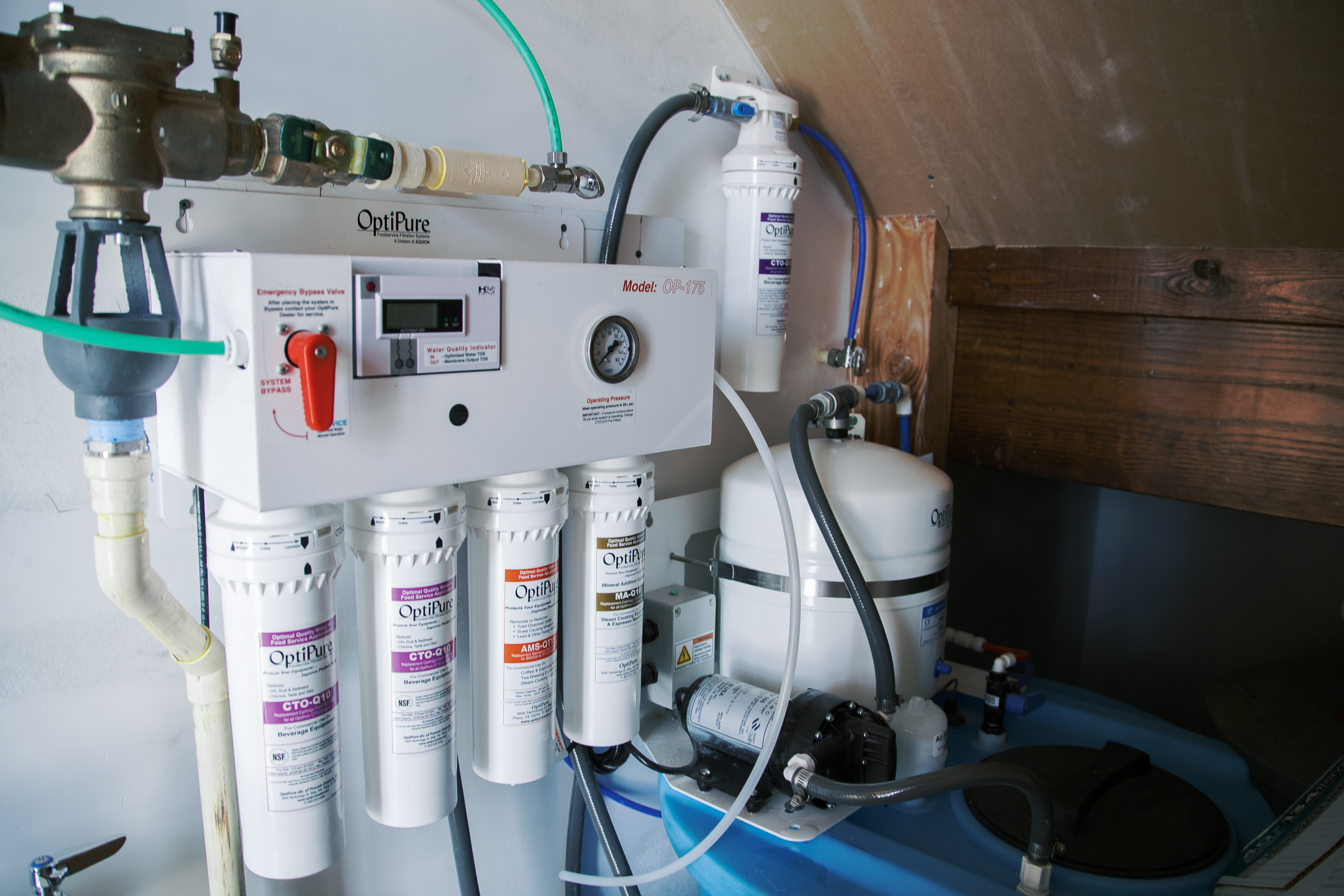
So, you’ve got a coffee shop. You’re serving up liquid gold, right? But here’s the thing—without a reliable water supply, that gold turns into rusty tap water. And nobody pays five bucks for rusty tap water.
Let’s be real for a second. Coffee is mostly water. Like, 98% water. That means your espresso machine, your drip brewers, and even your iced teas are begging for clean, consistent hydration. If your water supply hiccups, your entire morning rush turns into a sad, caffeinated disaster. Ever seen a barista cry? I have.
First, let’s talk about hard water. It’s the enemy. Hard water builds up scale inside your precious, expensive espresso machine. That scale? It’s like cholesterol for pipes. It clogs, it slows, and eventually it kills your machine’s soul. And a dead machine means dead business. (Dramatic? Maybe. True? Absolutely.)
Must Read
So, what’s the fix? A water filtration system. Not just any Brita pitcher hidden in the back, my friend. We’re talking a whole-house or a point-of-use system. Think of it as a bodyguard for your water. It kicks out chlorine, sediment, and that weird metallic taste. Your coffee will thank you. So will your customers, even if they don’t know why.
Why You Need A Backup Plan
Imagine this: It’s a Saturday morning. The line is out the door. Someone orders a flat white. You pull the lever—and nothing happens. The water main broke down the street. What do you do? Panic? Start serving dry espresso grounds in paper cups? (Gross.)
A backup water supply isn’t paranoid. It’s professional. Think about a dedicated storage tank or a small, inline booster pump. These aren’t just for big industrial roasters. A modest 20-gallon tank can save your Saturday. And your sanity.
And hey, do you serve pour-overs? Hot tea? Then you’re also boiling water all day. A reliable hot water dispenser connected to your filtration system is a game-changer. It’s faster than a kettle and way less likely to burn down your shop. (Safety first, then caffeine.)
The Unsung Hero: The Plumber
I know, I know. Plumbers are expensive. They show up late, they leave a mess, and they charge you for looking at pipes. But here’s the truth: A good plumber is worth their weight in gold. They’ll install your system properly so you don’t have a leaky disaster at 6 AM.
Don’t DIY this unless you enjoy mopping floors at 4 AM. Seriously. Water flows downhill, and mistakes flow into your bank account. Hire someone who knows commercial systems. Ask them about backflow prevention devices too. It sounds boring, but it keeps your water clean and your health inspector happy.
Now, let’s talk temperature. Coffee loves a specific water temperature—around 195 to 205°F. Too hot, it burns. Too cold, it’s weak and sad. A reliable supply system keeps pressure and temperature stable. Your espresso machine’s boiler needs consistent flow. If it’s fighting for water, you get inconsistent espresso. And inconsistent espresso is the enemy of repeat customers.
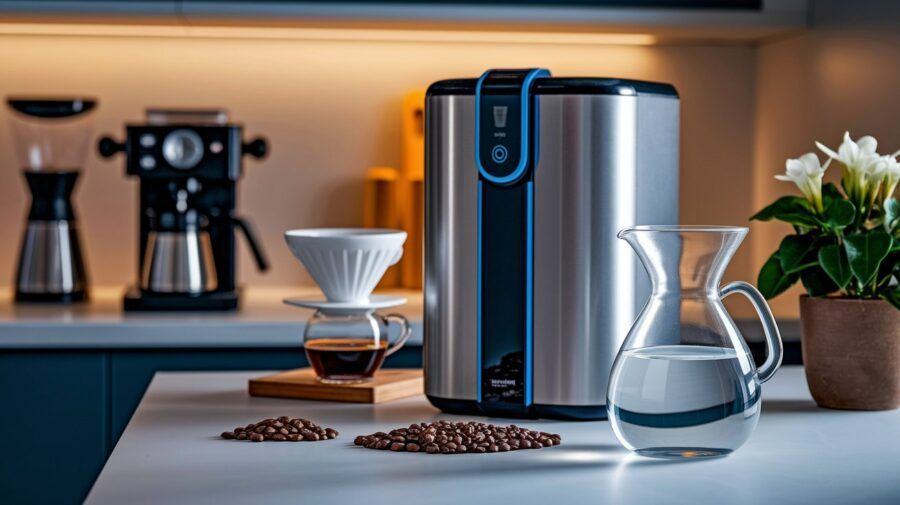 Best Reverse Osmosis Water System for Coffee Lovers
What About Taste?
You’ve probably tasted coffee that’s… flat. Like somebody forgot the soul. That’s often the water’s fault. Filtered water brings out the bright notes, the chocolatey undertones, the magic. Unfiltered water? It tastes like a swimming pool. Ever had a coffee that vaguely smells like a chemistry lab? That’s chlorine, baby.
Here’s a wild idea: Test your water. There are cheap kits online. Or call your local water utility. Find out if your water is hard, soft, or secretly has a PhD in minerals. You might discover you need a specific filter—like a reverse osmosis system for super hard water. Or a simple carbon filter for basic chlorine removal. Knowledge is power. And power makes better lattes.
Don’t forget maintenance. Your filtration system isn’t a “set it and forget it” magic trick. Change those filters on schedule. Mark it on your calendar. If you ignore it, the filter becomes a host for bacteria. That’s not “artisan.” That’s “biohazard.” And it’s gross. (You don’t want to be the shop that accidentally gives people tummy trouble, right?)
Budget Like A Pro
I hear you. “But I’m a small shop! I’m broke! I already spend too much on beans and oat milk!” Fair point. But a few hundred bucks on a good filtration system now saves you thousands on a dead espresso machine later. It’s an investment, not an expense. Think of it like buying insurance for your caffeine dreams.
Start simple. A basic three-stage filter system runs about $200–$500 installed. That’s less than a month of wasted water bottles. Yes, stop buying bottled water for your shop. It’s expensive, wasteful, and your customers judge you for it. (They pretend they don’t, but they do. I’ve seen the side-eyes.)
Finally, train your team. Tell your baristas, “This is the water. It’s special. Don’t mess with it.” Show them where the shut-off valve is. Teach them what to do if the pressure drops. A prepared team is a calm team. A calm team makes better coffee—and tips. And isn’t that what we all want? More tips, less drama, and a perfectly reliable cup of water pretending to be coffee?
So go ahead. Love your water. Love your customers. And for the love of all that is caffeinated, get a reliable water supply system. Your future self—and your future espresso shots—will thank you. Now go make some excellent coffee. You’ve got this.
