Whole House Water Softener And Reverse Osmosis

So, you’ve decided to wage war on your tap water. Good for you! You’re probably tired of showering with what feels like a chalky science experiment, or maybe your coffee maker...
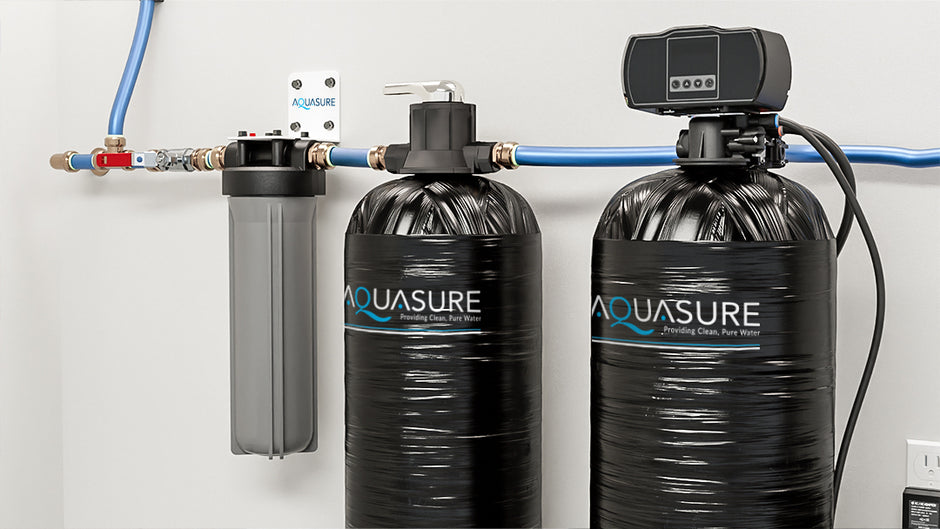
So, you’ve decided to wage war on your tap water. Good for you! You’re probably tired of showering with what feels like a chalky science experiment, or maybe your coffee maker started growing miniature stalactites. Welcome to the wonderful, slightly confusing world of whole house water softeners and reverse osmosis systems. It’s like giving your plumbing a spa day, but with a lot more jargon.
The Great Salt Shuffle: Why Your Water is a Bully
First, let’s talk about hard water. It’s not water that’s been hitting the gym; it’s water packed with calcium and magnesium. Think of it as the water equivalent of a clingy ex—it leaves residue everywhere, on your dishes, your skin, and your showerhead.
Hard water fights your soap, creating that weird, sticky film instead of a good lather. It’s also secretly murdering your appliances. Your water heater is basically working overtime, wearing a tiny hard-hat, just to boil this mineral sludge.
Must Read
The solution? A whole house water softener. This beast is like a bouncer for your home’s pipes. It kicks out the calcium and magnesium using a process called ion exchange, which is just a fancy way of saying it swaps bad guys for harmless sodium.
The Softener: A Resin Party with a Salt Chaser
Inside the softener lives a tank full of resin beads that act like tiny, sticky magnets. They grab onto the calcium and magnesium like it’s their job. But here’s the funny part: to clean these beads, the system flushes them with a salty brine—imagine giving your beads a bath in a pretzel factory.
This means your water will have a slightly higher sodium content. We’re talking about a pinch, not a salt lick. If you’re worried, potassium chloride is a salt-free alternative, though it costs as much as a fancy latte per bag.
Surprising fact: That salt tank needs refilling roughly once a month. If you forget, your softener throws a silent tantrum and your water goes back to being a jerk. Set a reminder, or risk a very sad, chalky shower.
Reverse Osmosis: The Drama Queen of Filtration
Now, a softener makes water “soft,” but it doesn’t make it pure. It still lets through chlorine, pesticides, and the ghost of last week’s spinach. Enter reverse osmosis (RO). This is the Diva of the water world, and she has high standards.
RO uses a semi-permeable membrane so tight you could almost see the water molecules sweating. It pushes water through at high pressure, leaving behind almost everything—minerals, bacteria, even dissolved solids. It’s like a water paparazzi filter, but for contaminants.
The result? Water so clean, it’s practically naked. But here’s the kicker: it’s also a bit dumb. RO water is so pure it can be slightly acidic and tastes… empty. You might miss the minerals you just paid to remove.
The Cost of Purity: A Plumbing Heist
RO systems are notoriously wasteful. For every gallon of clean water, they might send three to four gallons down the drain. That’s like buying four bottles of wine and only drinking one, then pouring the rest out for the sink goblins.
 Signature Elite | 600,000 Gallons Whole House Water Filter Treatment
They’re also slow. You won’t fill a bathtub with RO water unless you have a week. Most people install a small RO faucet just for drinking and cooking—a little “VIP section” for your glass of water.
Surprising fact: RO membranes can be damaged by chlorine. So if you have city water, you usually need a pre-filter just to protect the prissy RO membrane. It’s layers of protection, like a water onion, and it will make you cry a little when you see the price.
The Dream Team or a Plumbing Bromance?
Using a whole house water softener with a reverse osmosis system is the ultimate tag team. The softener protects your pipes and extends the life of your washing machine. The RO makes your drinking water taste like a mountain spring that charges rent.
There’s a catch: softeners and RO systems don’t always get along. The salt from the softener can actually stress the RO membrane. Smart installation requires a bypass valve or a special "zero-soft" line to the RO unit.
Think of it as a celebrity couple—great on social media, but they need good managers. You’ll need a professional plumber to set up the relationship, or you’ll end up with a confusing tangle of hoses that look like a modern art sculpture.
Should You Do It? A Cheat Sheet
Do you have crunchy hair and spots on your glasses? Get the whole house softener first. It’s the foundation. Then, if you are a water snob (like me), add the reverse osmosis for your drinking tap.
But be warned: once you taste RO water, you’ll never go back. You’ll become that person at parties complaining about tap water. “Oh, it’s fine,” you’ll say, while secretly longing for the sterile purity of your own kitchen.
In the end, you’re not just buying filters—you’re buying a lifestyle. One where your dishes sparkle, your skin thanks you, and your water is so clean that bacteria hold a tiny funeral for it. It’s weird, it’s a great investment, and your future self will be very, very hydrated.
