Replacement Filters For Reverse Osmosis System

So there I was, staring at a glass of water that looked suspiciously clear. My wife handed it to me with a triumphant smile. “I fixed the filter,” she said. I took a sip—and p...

So there I was, staring at a glass of water that looked suspiciously clear. My wife handed it to me with a triumphant smile. “I fixed the filter,” she said. I took a sip—and promptly gagged. It tasted like a swimming pool had a bad dream.
Turns out, she didn’t replace the filters. She just took them out and put them back in. Classic move, right? (I’ve done it too, don’t lie.) That’s when I learned the hard way: replacement filters for your reverse osmosis system aren’t optional. They’re the difference between crisp, clean water and something that makes you question your life choices.
Why Your RO System Screams for New Filters
Let’s be real here: your reverse osmosis system is a workhorse. It pushes water through a semi-permeable membrane, trapping nasties like lead, chlorine, and fluoride. But those filters work hard. And like a tired office worker on a Friday, they eventually crash.
Must Read
A clogged pre-filter means your membrane suffers. A dead carbon filter lets chlorine attack that membrane like a tiny chemical monster. And the post-filter? If it’s old, your water tastes flat or, worse, like whatever gunk it trapped. Ignoring replacement is a slow-motion betrayal—to your wallet and your taste buds.
The Three Musketeers: Pre-Filter, Membrane, Post-Filter
You’ve probably got a multi-stage system. The pre-filter catches sediment and rust—the big stuff that makes your water look like weak tea. Replace it every six to twelve months, unless you live in a sandstorm. (If your water runs brown, that’s your cue.)
Then there’s the RO membrane, the star of the show. It does the real heavy lifting, removing up to 99% of contaminants. But it hates chlorine and hard water. Most membranes last two to three years—unless you skipped replacing the pre-filter, in which case it’s already weeping.
Finally, the post-filter polishes the water, removing any lingering tastes or odors. This little hero gets swapped annually. Miss it, and your water will taste like it’s holding a grudge. (I speak from bitter, bitter experience.)
The Sneaky Signs You Need New Filters
Your RO system won’t send you a text saying “I’m dying.” But it does drop hints. Slow water flow is a dead giveaway—your filters are clogged and begging for mercy. Also, if your water starts smelling like a dirty fish tank, that’s the carbon filter waving a white flag.
And here’s the kicker: if you see cloudy water or a strange color, you’re already in the danger zone. That’s your system telling you, “Hey, I’m drinking whatever you poured down the drain yesterday.” Not a fun thought, right?
Oh, and that monthly filter check? I know you’ve been skipping it. (I do too. We’re all sinners here.) But a quick glance at your filter housing can save you from a full system meltdown. Just pop the cap and see if the old filter looks like a mud pie.
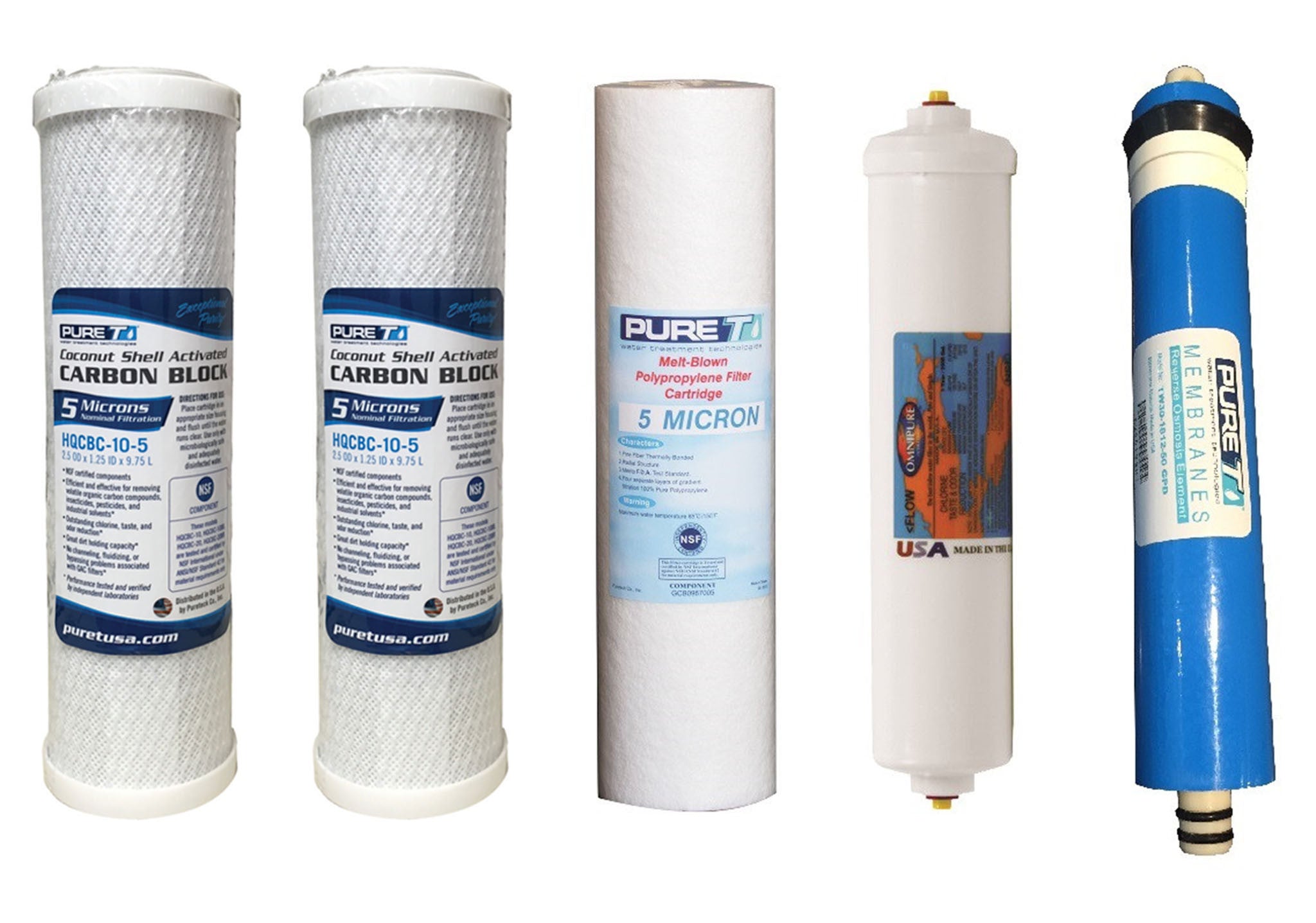 5 Stage Reverse Osmosis System Filters Replacement
How Often Should You Really Replace?
Here’s the boring truth: manufacturer recommendations vary. Some say every six months, others say yearly. But I’ve found a simple rule—if you have a typical 50-gallon-per-day system, swap the pre and post filters every 6 to 12 months. The membrane? Every 2 to 3 years.
But wait—your water quality matters too. If you’re on city water with high chlorine, you’ll need to replace the carbon filter more often. Well water with iron? The sediment pre-filter will choke faster. Test your water once a year, and you’ll know exactly when to panic—I mean, when to buy replacements.
And for the love of all that is hydrating, mark your calendar. Use your phone, a sticky note, or a tattoo on your arm. Setting a reminder is the only way to beat the “I’ll do it later” monster. Later is a liar.
Buying Filters: Avoid the Cheap Stuff
I get it. You see a generic filter for half the price of the name-brand one, and your wallet whispers, “Yes, honey.” But here’s the cold truth: cheap filters can damage your system. They use inferior materials, leak, or flat-out don’t fit. Then you’re left with a puddle and a bitter taste—literally.
Stick with NSF-certified replacements that match your system’s specs. Companies like Watts, iSpring, or APEC make reliable ones. And yes, they cost more. But replacing a ruined membrane (around $100) costs way more than buying a $20 pre-filter that works.
The Final Nudge
Your reverse osmosis system is like a loyal, thirsty pet. It gives you clean water every day, but it needs regular feeding—new filters. Neglect it, and you’ll end up drinking something that tastes like disappointment. Or worse, you’ll break the whole thing and have to call a plumber. (Been there. It’s not fun.)
So go ahead, check your filters right now. Yes, I see you reading this on your phone. Get up, glance at that little housing under your sink. If it’s been more than a year since you changed them, order replacements tonight. Your glass of water will thank you—and so will your gut.
