Is Distilled Water And Filtered Water The Same

You know that moment when you’re standing in the water aisle at the grocery store, staring at a dozen different bottles, and you just grab the one that says “purified” because...

You know that moment when you’re standing in the water aisle at the grocery store, staring at a dozen different bottles, and you just grab the one that says “purified” because it sounds fancy? I’ve been there, too. It’s like choosing between dark chocolate and milk chocolate—both are chocolate, but one is going to make you pucker and the other might give you a sugar rush. So, let’s clear up the confusion: distilled water and filtered water are not the same thing, even though they both come out of a tap or a bottle.
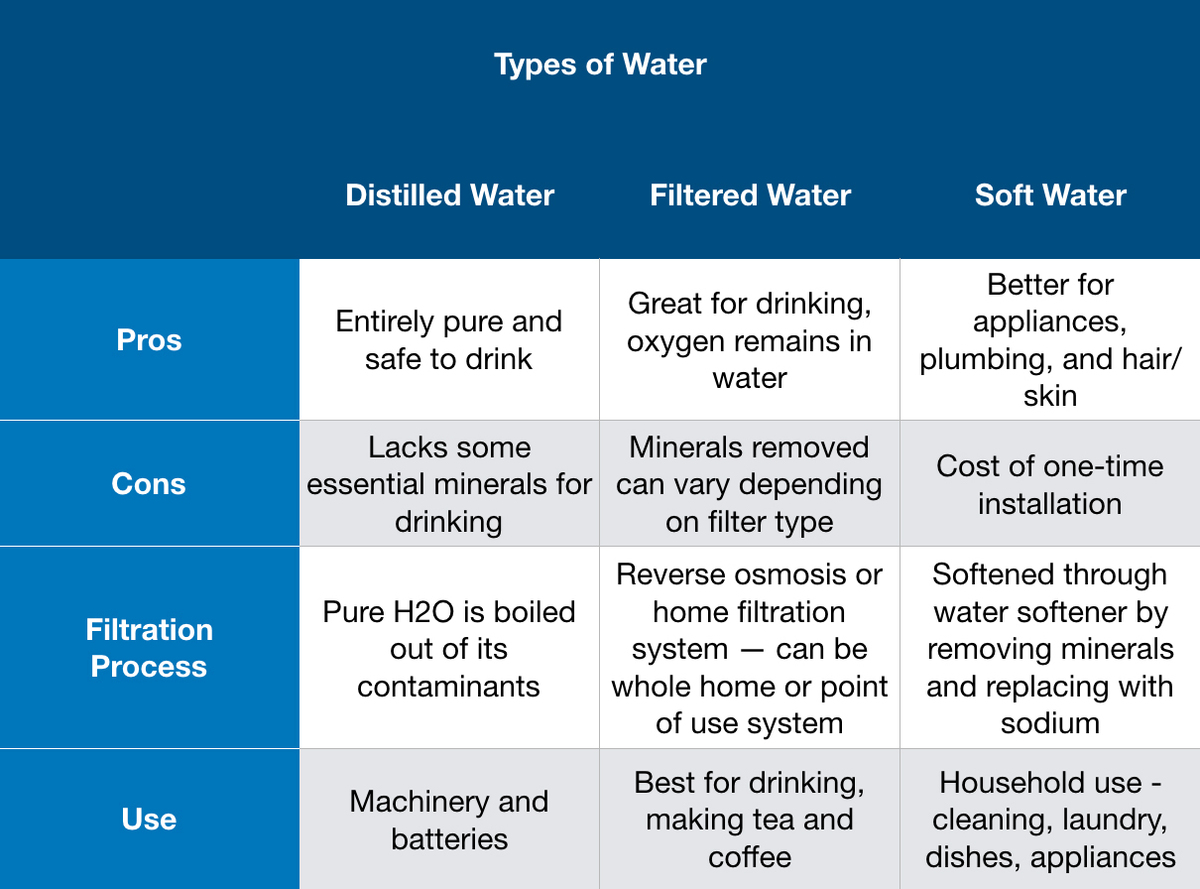
Think of distilled water as the overachiever of the water world. It’s the kid who studies so hard for the test that they memorize every single detail, including the stuff that doesn’t matter. Distillation is a process where water is boiled into steam, and then that steam is condensed back into liquid. This method removes almost everything—minerals, bacteria, viruses, and even that weird metallic taste from old pipes. The result? Water that’s so pure, it’s practically a blank slate. If water were a person, distilled water would be the one who always orders a plain black coffee and says, “I don’t need any flavors.”
Filtered water, on the other hand, is the practical friend who goes to a restaurant and asks for “just a few changes” to the menu item. Filtering passes water through a physical barrier or a chemical filter (like charcoal) to trap things like chlorine, sediment, and some chemicals. But here’s the kicker: it leaves most of the natural minerals in—things like calcium and magnesium that make water taste, you know, like water. A simple charcoal pitcher filter is like a bouncer at a club: it stops the big troublemakers (like dirt and bad smells) but lets the regular folks (minerals) pass through.
Must Read
Everyday life test: Which one do you actually use?
Let’s be real—most of us don’t pull out a science kit when we’re parched at 3 p.m. on a Tuesday. You’ve probably used filtered water from your fridge’s built-in dispenser, or from one of those plastic pitchers with a replaceable filter. That’s because filtered water is perfect for drinking, making coffee, or cooking pasta—it removes enough nasties to taste clean without stripping out the flavor that makes your morning brew sing. I once made coffee with distilled water, and it tasted like someone had left the coffee grounds in a conversation with a mime. Flat, dull, and completely silent.
Distilled water, meanwhile, is the weirdo that shows up at the party with a spray bottle and a steam iron. Seriously, the main use for distilled water is in appliances—like your humidifier, car battery, or that fancy espresso machine you only use on Sundays. Why? Because since it has no minerals, it won’t leave those white, crusty limescale deposits that look like a science experiment gone wrong. My grandmother once poured tap water into her iron, and the next day it started spitting brown sludge onto her favorite blouse. That’s a cautionary tale, my friends. Stick to distilled for the gadgets, not for your coffee.
 Distilled Vs Bottled Water , Difference Between Purified, Distilled
The taste test (and the weird anecdote)
If you want to test the difference, do what I did one bored afternoon: pour a glass of filtered water and a glass of distilled water, chill them both, and take a sip side-by-side. The filtered water will taste familiar and refreshing, like a good hug from a friend. The distilled water will taste like nothing—literally. It’s like drinking v-e-r-y slight electricity. One of my friends said it was like “the ghost of water.” And he was right! Our taste buds are trained to expect minerals, so distilled water feels unnatural, like a joke that lands but no one laughs.
Here’s the short version for your next grocery trip: drink filtered water, pour distilled water into your iron or car battery. If you accidentally buy a gallon of distilled and try to make iced tea with it, you’ll get a strange, almost hollow-tasting beverage that will make you question your life choices. But hey, at least your kettle will be spotless.
So, no, they’re not the same. But that’s okay. We don’t need to pigeonhole every water bottle. Think of it like this: filtered water is the reliable SUV that handles the daily commute. Distilled water is the race car that’s amazing for the track but useless for picking up groceries. Now go forth, hydrate wisely, and maybe avoid using tap water in your steam mop. Your floors (and your grandma’s blouse) will thank you.
