What Has More Caffeine Cold Brew Or Iced Coffee

Let’s settle the score on the ultimate coffee showdown, shall we? You’re standing in line, bleary-eyed, wondering if you should grab that batch-brewed iced coffee or the fancy...

Let’s settle the score on the ultimate coffee showdown, shall we? You’re standing in line, bleary-eyed, wondering if you should grab that batch-brewed iced coffee or the fancy, slow-drip cold brew that costs as much as a small house. The real question everyone whispers is: which one packs more caffeine punch? Spoiler alert—it’s not the drink that looks like a glass of motor oil from a hipster’s basement lab.
First, we need to understand the difference, because confusing cold brew and iced coffee is like confusing a sloth with a cheetah—both are furry and hang out in trees, but one is definitely hiding more speed. Iced coffee is just hot coffee poured over ice. That’s it. It’s the regular, hot-brewed stuff that got an ice-cube bath because you’re too impatient to let it cool down normally. Cold brew, on the other hand, is coffee that has never seen heat. It’s made by soaking coarse grounds in cold water for 12 to 24 hours, like a moody teenager marinating in their bedroom. This slow, cold extraction pulls out different compounds—including less acid and more caffeine, but only if you measure it right.
The Caffeine Showdown: It’s a Numbers Game
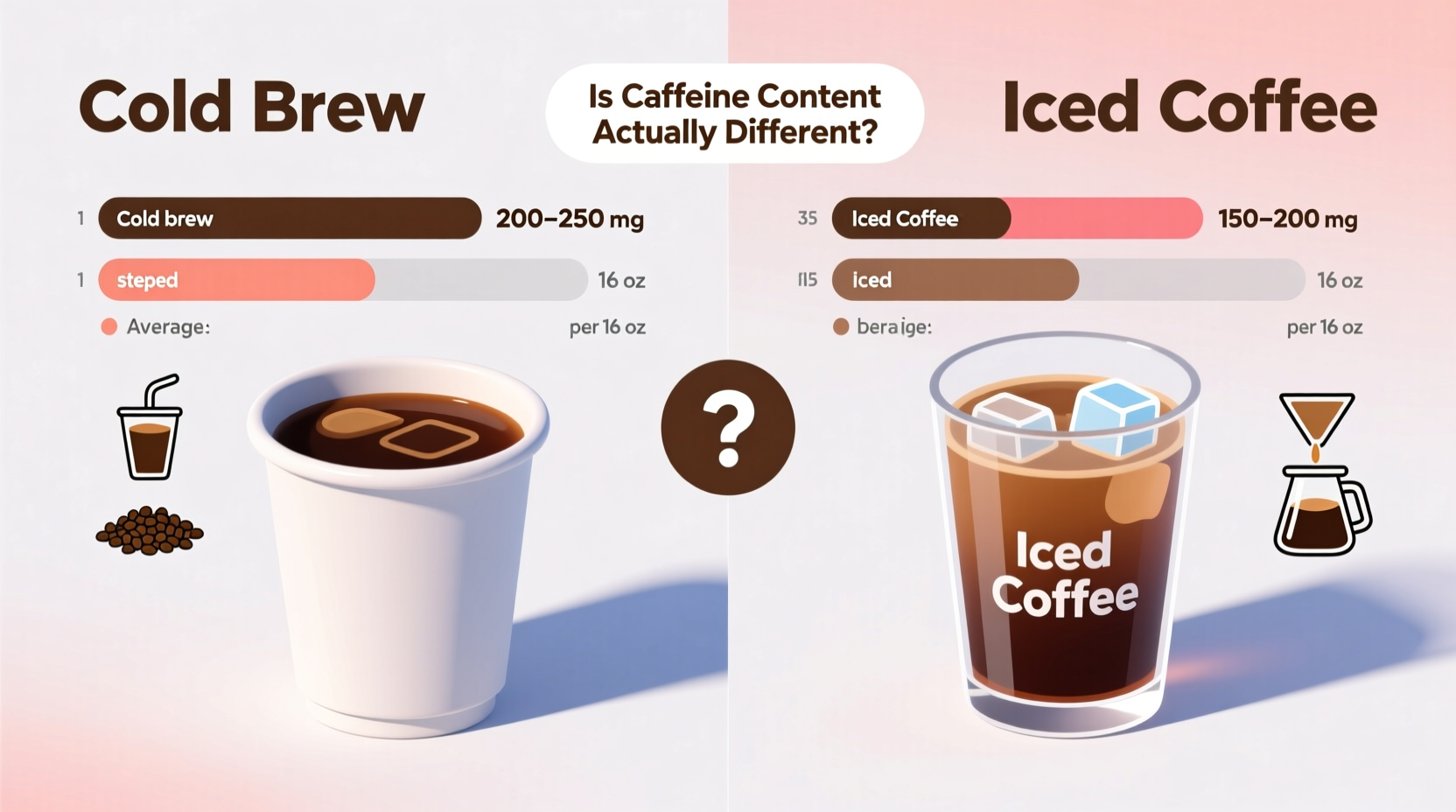
Here’s the shocking truth that might make you spit out your drink (please don’t): cold brew concentrate is technically the king of caffeine per ounce. That concentrated sludge you pour from a fancy bottle is about two to three times stronger than regular coffee. But hold your horses—most people don’t drink it straight. You’re usually diluting it with water, milk, or a whole gallon of oat milk because your stomach can’t handle pure rocket fuel. So a typical 8-ounce cup of ready-to-drink cold brew ends up with about 150 to 200 mg of caffeine.
Must Read
Meanwhile, your standard 8-ounce iced coffee—made from hot drip coffee—hovers around 120 to 165 mg. That’s still a solid jump-start, but cold brew usually wins by a nose. However, here’s the twist: a large iced coffee from your favorite chain can clock in at 300 mg or more if they’re heavy-handed with the pour. Cold brew’s advantage shrinks faster than your patience in a slow-moving line when you add ice and milk. The real winner? The coffee that you don’t forget to actually drink before lunch.
Surprising Facts That Sound Like Lies
Did you know that cold brew doesn’t actually extract more caffeine per bean? Hold on—I just tricked you. It does, but only because the longer steeping time leaches out different compounds. Hot water is better at grabbing caffeine molecules fast, but cold water is like a patient burglar—it takes its sweet time and ends up with a bigger haul over 12 hours. The result? Cold brew can have up to 30% more caffeine than the same amount of hot-brewed coffee, if you compare concentrate to hot coffee. But since we’re comparing diluted cold brew to iced coffee, it’s more like a 15 to 20% edge on average.
Here’s a weird one: the bean origin matters more than the method. That light roast from Ethiopia? It actually has less caffeine per scoop than a dark roast from Brazil. Most people think dark roast is “stronger,” but that’s a myth—it’s just toastier. So if you’re chasing caffeine, pick a Robusta bean (the cheap, bitter cousin of Arabica) and you’ll double your buzz. But don’t do that unless you enjoy feeling like a hummingbird on espresso.
 Cold Brew Vs Iced Coffee Is The Caffeine Content Actually Different
The Real World: What You’re Actually Ordering
Let’s be honest: when you order iced coffee at a chain, they’re often using a pre-made, shelf-stable concentrate or a double-strength hot brew. That means your iced coffee can sometimes be denser than the cold brew, depending on who’s wielding the carafe. I’ve seen a 16-ounce iced coffee from a certain green-and-white mermaid-themed café that packs over 350 mg of caffeine. That’s the equivalent of two and a half Red Bulls—or one very jittery afternoon.
Cold brew, meanwhile, is a wild card. Some shops serve it diluted to the point of being barely caffeinated tea. Others serve it so strong you can hear colors. Here’s a pro tip: ask your barista, “Is this cold brew concentrate or ready-to-drink?” If they look confused, just buy the iced coffee and pray. The safest bet for a reliable caffeine hit? Make your own iced coffee at home using double the grounds, cool it down fast, and skip the expensive cold brew equipment. You’ll save money and get a buzz that lasts through three meetings and a nap.
The Verdict: Who Wins the Caffeine Crown?
If we’re judging by pure, undiluted caffeine per ounce, cold brew wins the gold medal. But in real life, where you’re sipping a grande with oat milk and a splash of vanilla, the iced coffee is a close second—and sometimes the champion, depending on the preparation. Honestly, the biggest variable is you. Do you gulp it down in five minutes or nurse it for two hours? Cold brew’s lower acidity means you might drink more without that “I need Tums” feeling, so you could end up consuming more caffeine overall.
Here’s my final, hilariously unsatisfying conclusion: it depends. But if you want a guaranteed caffeine bomb, order a tall, black iced coffee with an extra shot from any decent shop. That’s basically legal amphetamine. Cold brew is more of a refined, smooth buzz—like a silk robe made of lightning. Both will wake you up, both will make you talk too fast, and both are better than that sad decaf sludge. Now go forth, caffeinate, and try not to vibrate through the floor.
