How Long Will Water Last In A Plastic Container

We’ve all been there. You’re cleaning out the car, and you find a water bottle under the seat. It’s been there since… well, since the last solar eclipse. You wonder: is this s...
We’ve all been there. You’re cleaning out the car, and you find a water bottle under the seat. It’s been there since… well, since the last solar eclipse. You wonder: is this still safe to drink, or is it basically a science experiment waiting to happen?
The short answer is: water itself doesn’t really “go bad” in the way milk does. It’s not going to curdle or sprout legs and walk away. But the bottle it’s in? That’s the real drama queen.
The Tap Water vs. The Apocalypse Jugs
If you’re talking about a standard plastic water bottle from the store, think of it as the fast fashion of hydration. It’s designed for convenience, not eternity. Most of these bottles are made from PET plastic (look for the #1 on the bottom).
Must Read
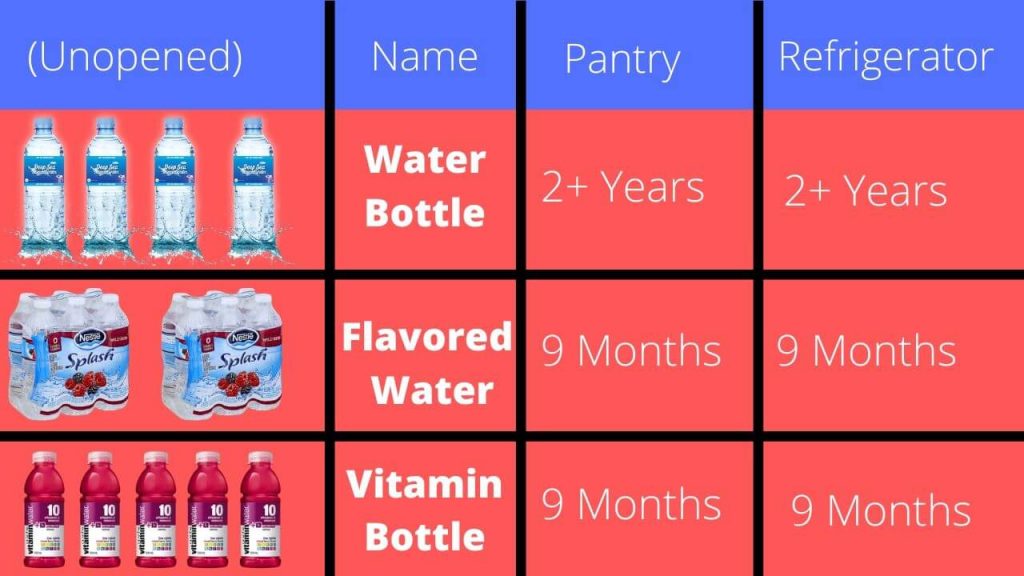
In a cool, dark place like your pantry, that water is perfectly fine for at least one to two years past the printed date. But here’s the kicker—the date on the bottle isn’t telling you when the water expires. It’s telling you when the plastic might start to break down and leach chemicals into the water. Fun, right?
Leave that same bottle in your hot car for a week in July, and you’ve essentially created a microscopic plastic tea party. The heat makes the bottle release antimony and other compounds. It won’t kill you instantly, but it’ll taste like you’re drinking a melted Tupperware lid.
What About Those Big 5-Gallon Jugs?
You know the ones—the giant blue or clear jugs sitting next to the office water cooler. They’re usually made of polycarbonate (#7 plastic) or thicker PET. These are like the sedan of water storage: sturdy and reliable, but not built for a cross-country road trip if you ignore them.
If you keep them in a cool, dark room (not next to the furnace), the water can last up to five years. The USDA says indefinitely, actually. But around year three, you’ll notice the taste gets a little… stale. It’s like water that’s been holding its breath too long.
I once found a gallon jug in my grandfather’s basement that had a label from 1998. I opened it, and it smelled like a wet sock that had been arguing with a plastic bag. The water itself was clear, but the smell was enough to make me pour it on the garden instead of my cereal.
The Real Culprit: Your Hands And Mouth
Here’s where the everyday horror story begins. If you’ve already taken a swig from that plastic bottle, the clock starts ticking at light speed. Once your lips touch the rim, you’ve introduced bacteria from your mouth into the water. Congratulations—you’re now growing a civilization.
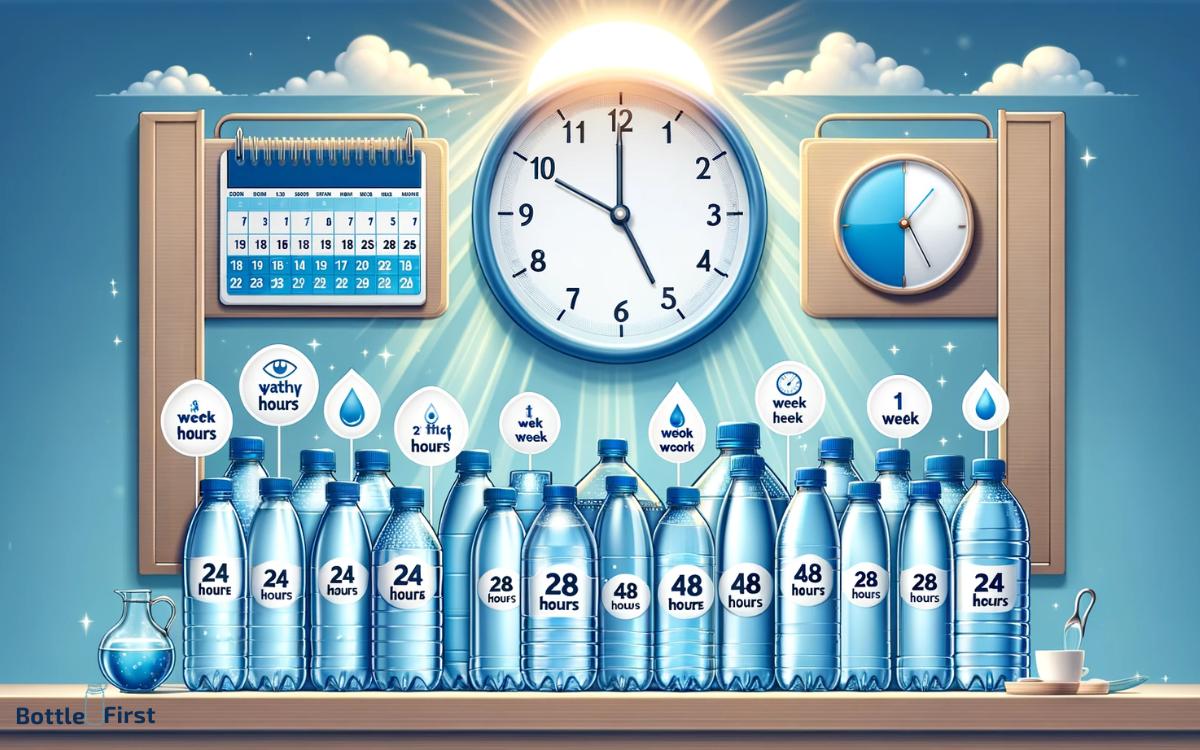
Germs from your saliva can multiply in the bottle within 24 to 48 hours. After a week, that water isn’t “water” anymore—it’s a petri dish with a twist cap. You might as well be licking a subway handrail.
I learned this the hard way during a hiking trip. I reused a bottle for three days without washing it. On day four, I took a sip and immediately tasted the regret of a thousand small organisms having a rave in my mouth. I spent the next hour convincing myself I didn’t need to go to a hospital.
 How Long To Store Water In Plastic Bottles? 5 Easy Steps!
Use Your Nose (And Your Common Sense)
The easiest way to tell if water in a plastic container has turned? Smell it. If it smells like plastic, chemicals, or a swamp, toss it. If it smells like a swimming pool, that’s chlorine breaking down into something even less fun.
And if the bottle looks weird—if it’s cloudy, has cracks, or feels slimy—don’t even unscrew the cap. That’s a biohazard situation. Treat it like a raccoon in your kitchen: just back away slowly.
My neighbor once stored water in an old milk jug. Two months later, he opened it and found something that looked like a science fair project floating inside. He described it as “green algae with ambitions.” I stopped borrowing his tools after that.
The Golden Rules For Your Pantry
If you want to store water for emergencies (earthquake, zombie apocalypse, or just a lazy week), use food-grade plastic containers. You can buy purpose-made ones at the store. They look like giant milk cartons, but they’re designed to not turn into toxic waste.
Store them in a cool, dark, dry place. Heat and light are the enemies. Sunlight turns plastic into a weak, brittle mess. It’s like giving your water bottle a sunburn every day for a year.
Every six months, take a whiff and consider swapping it out. If you forget for a few years—hey, life happens. Just don’t drink it if the bottle looks like it’s been through a war. And for the love of all that is holy, label it with the date. Otherwise, you’ll be playing a guessing game with your own thirst.
So, how long will water last in a plastic container? Indefinitely if you’re talking about the water molecules. But for practical, “I’m not going to get sick” purposes, aim for two years for store-bought bottles, and swap your emergency stash every year.
And if you find a bottle in your car from last summer? Just use it to water your plants. They’ll forgive you. Your stomach might not.
