Is Carbonated Water The Same As Sparkling Water

Okay, let’s be real for a second. You’re standing in the grocery store, staring at a wall of fizzy water, and a tiny panic sets in. Is carbonated water the same as sparkling w...

Okay, let’s be real for a second. You’re standing in the grocery store, staring at a wall of fizzy water, and a tiny panic sets in. Is carbonated water the same as sparkling water? It’s a question that feels embarrassingly simple, yet somehow impossible to answer.
The short, boring answer? Yes, basically. But the fun answer is a whole lot fizzier than that, and it’s worth diving into. So grab a can of something bubbly, and let’s untangle this delicious mystery together.
The Fizzy Truth: It’s All About the Bubbles
Here’s the core secret: all sparkling water is carbonated water, but not all carbonated water is created equal. The term “carbonated” just means they’ve forced carbon dioxide gas into still water under pressure. Those baby bubbles are what give you that crisp, tingly mouthfeel—and that satisfying pop when you open the can.
Must Read
So technically, everything from a can of LaCroix to a bottle of Perrier lives under the “carbonated water” umbrella. But the world of fizzy water has a few distinct personalities, like a weird, bubbly family reunion. Let’s meet the cast of characters.
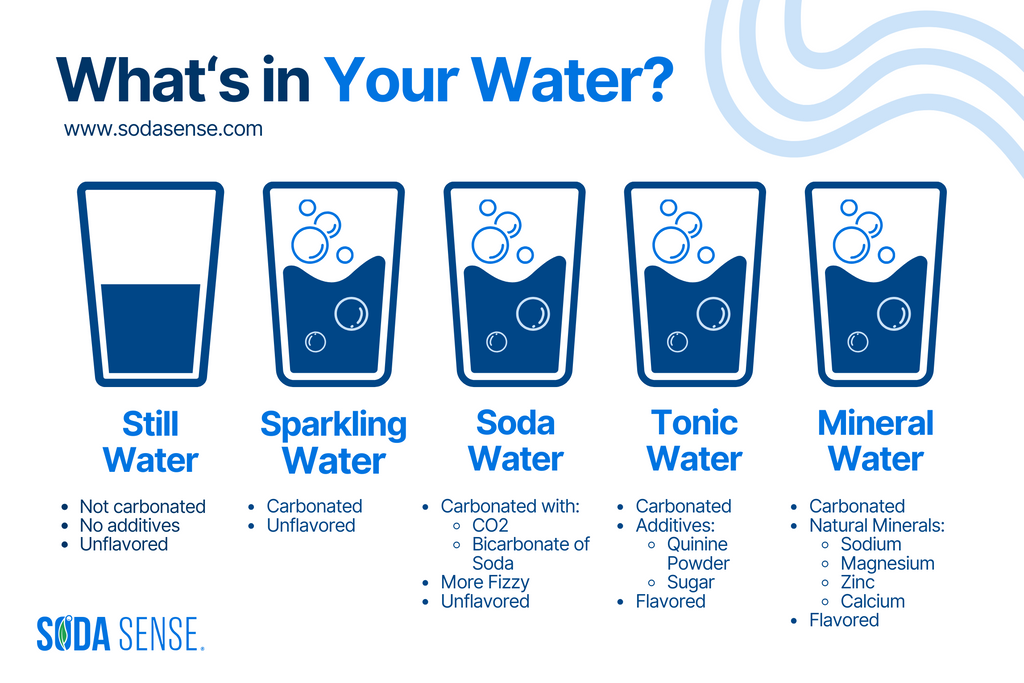
Meet the “Just Bubbles” Club: Seltzer and Club Soda
Think of seltzer as the blank canvas of bubbly water. It’s plain water with added carbonation, and that’s it—no minerals, no salt, no flavor. It’s the minimalist, the reliable friend who shows up exactly as promised.
Then you have club soda, which is seltzer’s slightly extra cousin. It has a pinch of minerals—like potassium bicarbonate or sodium citrate—added for a slightly rounder, less sharp taste. Have you ever noticed club soda feels a little “smoother”? That’s the science of salt sneaking in.
The Fancy Relatives: Tonic Water and Mineral Water
Now, tonic water is the black sheep of the family—and it’s not really sparkling water at all. It’s carbonated, sure, but it’s loaded with sugar or high-fructose corn syrup and that bitter, magical compound called quinine. You wouldn’t drink a gin and tonic and call it sparkling water, right? Right.
 Soda Water vs Sparkling Water: What's the Difference? – Soda Sense
And then there’s sparkling mineral water, like Perrier or San Pellegrino. This stuff is the real VIP. It comes from a natural spring, already full of minerals (calcium, magnesium), and it’s bottled with its own natural carbonation—or sometimes a little extra is added. That’s why it often has a distinct, almost salty or mineral taste. It’s the personality hire of the fizzy world.
So, Why Does This Matter? Because It’s Weirdly Cool
Here’s the thing: knowing the difference is like having a secret key to your own taste buds. Do you want a crisp, clean blank slate for mixing a mocktail? Grab seltzer. Do you want a silky mouthfeel for your soda water with a squeeze of lime? Club soda’s your ride. Craving that earthy, European spring vibe? Go for the mineral variety.
Isn’t it fascinating how a single ingredient—carbon dioxide—can create such a spectrum of experiences? It’s the same idea as coffee: you can have a cheap drip, a balanced latte, or a funky single-origin pour-over. They’re all coffee, but they’re not the same.
The Bottom Line (and the Best Part)
So, yes, “carbonated water” is the big fancy umbrella term. But the world of sparkling water is a wonderful, bubbly ecosystem with its own rules and vibes. The next time someone looks at you funny for asking for “sparkling mineral water, not club soda,” you can drop a little knowledge—and feel like a total food scientist.
Ultimately, it’s all about what makes you happy to drink. Maybe you love the sharp punch of a generic seltzer, or maybe you’re a texture queen who needs that creamy Belgian sparkle. There’s no wrong answer, only wrong assumptions. So go forth, pop a can, and enjoy the fizz—because at the end of the day, it’s just water with a little performance art. And that’s pretty cool, right?
