Water Softener System For Tankless Water Heater

So, you’ve joined the cool-kids club and bought a tankless water heater. Congratulations! You’ve officially upgraded from that clunky, basement-dwelling water tank that looked...
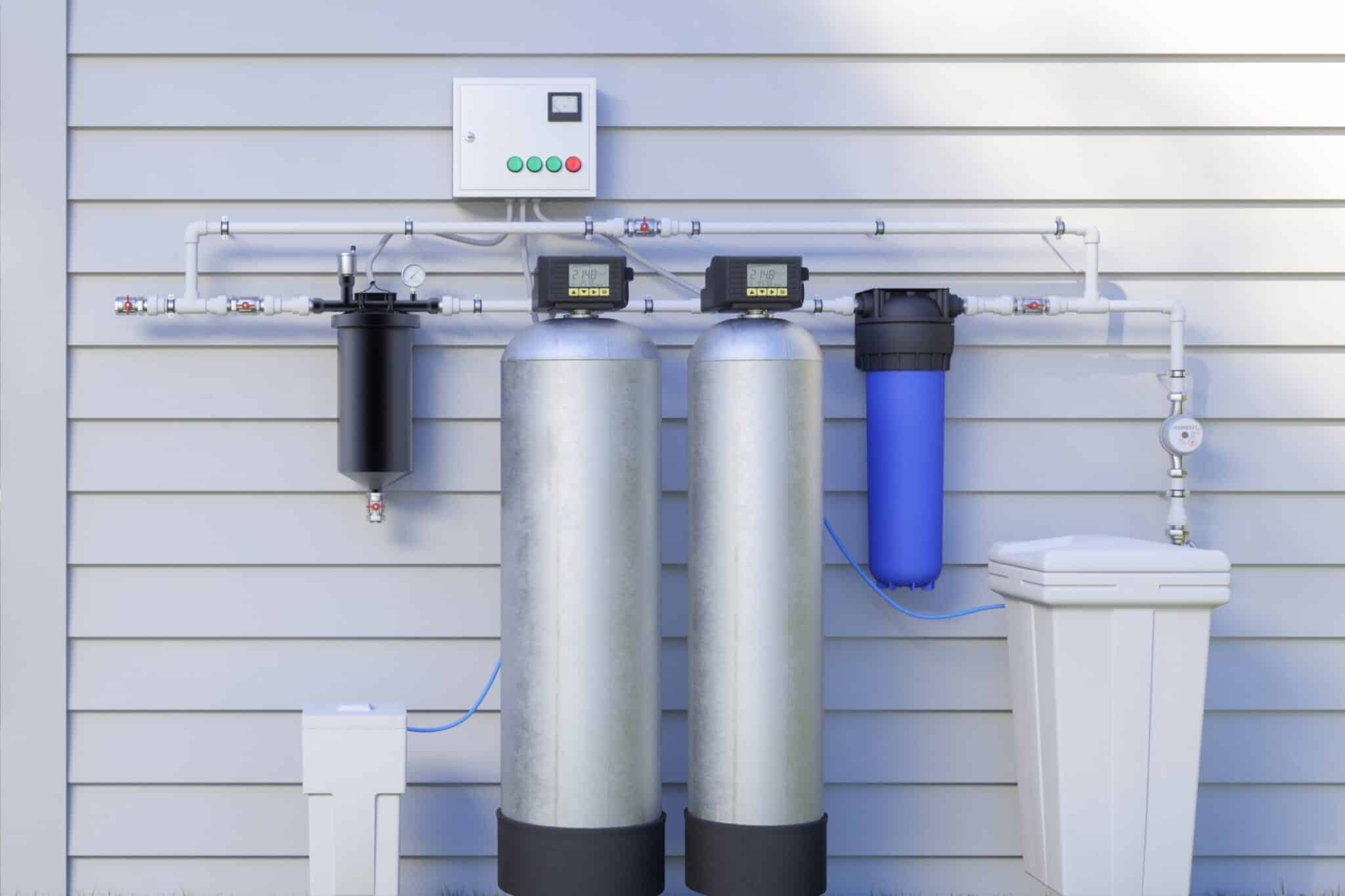
So, you’ve joined the cool-kids club and bought a tankless water heater. Congratulations! You’ve officially upgraded from that clunky, basement-dwelling water tank that looked like a retired robot. Now you have a sleek, wall-mounted wizard that promises endless hot showers. But there’s a tiny, invisible villain lurking in your pipes: hard water. And it’s about to turn your dream appliance into a very expensive, very sad paperweight.
Let’s get one thing straight: hard water is the enemy of all things good and hot. It’s basically water that’s been on a mineral-eating bender, picking up calcium and magnesium like a drunken tourist at a buffet. When that mineral cocktail hits your tankless heater’s heat exchanger, it doesn’t just pass through. It bakes on like a cheese crust on a forgotten lasagna pan.
That crust is called scale. And scale is the reason your tankless water heater will eventually whisper, “I’m tired, boss,” and quit. Without a water softener, you’re basically asking your heater to boil rocks. Spoiler: rocks don’t boil well, and they definitely don’t appreciate your morning shower.
Must Read
The Dirty Secret Your Heater Won’t Tell You
Here’s the surprising fact that will make you gasp into your latte: tankless water heaters are more susceptible to hard water damage than traditional tank heaters. Why? Because the water flows through tiny, high-efficiency pipes at a blazing speed. It’s like trying to run a marathon through a hallway full of angry bouncers—eventually, the bouncers (minerals) will clog the exit.
A traditional tank heater has a big, dumb water bucket. It can handle some scale because it’s got room to grow a little beard of mineral crust. But your tankless unit? It has a heat exchanger the size of a small pizza box. One bad case of hard water, and that heat exchanger becomes a solid block of limestone. Good luck explaining that to your plumber with a straight face.
Think of a water softener as a bodyguard for your tankless heater. It uses a process called ion exchange—fancy talk for “kidnapping calcium and magnesium and replacing them with sodium.” In layman’s terms, it makes your water soft, cuddly, and chemically boring. The heater loves boring water.
Your Shower Will Thank You (And Your Wallet Will Cry Less)
Without a softener, your tankless heater’s efficiency drops like a phone signal in a tunnel. A study by the Water Quality Association found that just 1/16th of an inch of scale can reduce energy efficiency by 12%. That’s like paying for a steak dinner and getting a cold hot dog. But wait—it gets worse. That same scale can eventually snap the thermostat sensor, frying your control board. Repair cost? Anywhere from $500 to a heartbreaking $1,500. A water softener setup, by contrast, is like a cheap insurance policy that also gives you better hair.
“But I live in an apartment with a tiny heater!” you protest. I hear you. There are compact, cabinet-style water softeners that are roughly the size of a mini-fridge. Some newfangled models even use a template-assisted crystallization system that doesn’t need salt. It uses magnets or electricity to shoo minerals away—like a Jedi mind trick for water. “You do not want to form scale.” And it works.
 How To Add Water Softener To Tankless Water Heater at Sherry Stamps blog
If you’re the paranoid type (welcome, friend), you can also add a scale inhibitor directly to the heater’s inlet. It’s like a chemical chastity belt for minerals. But let’s be honest: the real MVP is a full water softener. It’s the difference between a spa day and a plumbing disaster.
The Expensive Truth About “Maintenance”
Here’s the joke everyone loves to ignore: some people think they can just flush their tankless heater with vinegar once a year and call it a day. That’s like saying you can cure a hangover by drinking more tequila. Yes, flushing helps remove some scale. But if your water is harder than a calculus exam, you’ll be flushing every three months. And even then, you’re playing catch-up with a monster that grows inside your pipes.
A water softener stops the monster from ever being born. It’s the difference between preventing a zombie apocalypse versus trying to fight off zombies with a pool noodle. Most manufacturers—Rinnai, Navien, Takagi—flat-out require a water softener for warranty coverage in hard-water areas. Read your warranty. It’s written in tiny, angry font, but it says: “Use softener or go home.”
The Final, Soapy Verdict
So, is a water softener system for your tankless water heater worth it? Unless you enjoy the thrill of cold showers and surprise repair bills, the answer is a resounding yes. You’ll save money on energy, avoid early replacement, and your skin will feel like a baby dolphin’s belly. And your heater? It will purr like a happy, grateful cat, delivering endless hot water for years.
Just remember the golden rule: Hard water is a spicy meatball that your tankless heater absolutely cannot handle. Soften up. Your plumbing will thank you, your plumber will hate you (because you won’t need him), and your morning shower will ascend from “functional” to “zen-like.” Now go forth and de-mineralize. Your heater is counting on you.
