Water Filter That Filters Fluoride And Chlorine

Let’s be real for a second: your tap water is basically a chemistry set that nobody asked for. Between the chlorine that makes your morning shower smell like a public pool and...

Let’s be real for a second: your tap water is basically a chemistry set that nobody asked for. Between the chlorine that makes your morning shower smell like a public pool and the fluoride that’s been a dinner-table debate since the 1950s, it’s no wonder we’re all side-eyeing our glasses of H2O. The good news? A water filter that removes both fluoride and chlorine isn’t some sci-fi gadget—it’s your ticket to a cleaner, crisper pour.
The Dynamic Duo You Didn’t Invite
First, let’s talk about what’s actually in that glass. Chlorine is the MVP of municipal water treatment—it kills bacteria and keeps diseases at bay. But it also leaves a distinct “bleachy” taste and can dry out your skin like a desert wind. Fluoride, on the other hand, was added decades ago to fight cavities, and hey, it works—but too much of it (or synthetic forms) has sparked plenty of health chatter.
Enter the dual-purpose water filter, the unsung hero of your kitchen counter. These filters use advanced media like activated alumina or catalytic carbon to grab fluoride ions while also neutralizing chlorine’s chemical tang. It’s like having a bouncer for your water—only the good stuff gets through.
Must Read
Why Your Taste Buds Will Thank You
If you’ve ever sipped tap water and thought, “This tastes like a swimming pool,” you’re not alone. Chlorine is volatile, meaning it evaporates quickly, but it also reacts with organic matter to form trihalomethanes—fancy jargon for “stuff that smells like a science fair.” A good filter strips that out, leaving water so clean it practically whispers, “Drink me.”
Fun fact: ancient Romans used lead pipes for water delivery (yikes), but they also aerated their water to remove bad tastes. Modern filters are basically the same vibe, but with less lead poisoning and more Instagram-worthy carafes.
The Fluoride Factor: A Cultural Crossroads
Fluoride is like that friend who’s great in small doses but overwhelming at a party. Some countries—like most of Europe—don’t add it to their water at all, relying instead on toothpaste and dietary sources. In the U.S., it’s a point of pride and contention, with cities like Portland famously resisting fluoridation for decades. Removing it from your home water isn’t about being anti-dentist; it’s about choice.
A reverse osmosis system is the gold standard here, pushing water through a semi-permeable membrane that catches fluoride, chlorine, heavy metals, and even microplastics. The downside? It’s a bit like a diva—it wastes some water and needs space under your sink. But for the purity-obsessed (guilty as charged), it’s worth the real estate.
Practical Tips for the Filter-Curious
Not ready to install a full RO system? No sweat. Look for a countertop filter labeled specifically for fluoride reduction. Pitcher filters with activated carbon are great for chlorine, but most won’t touch fluoride unless they contain bone char or activated alumina. Check the fine print—your taste buds deserve a detective.
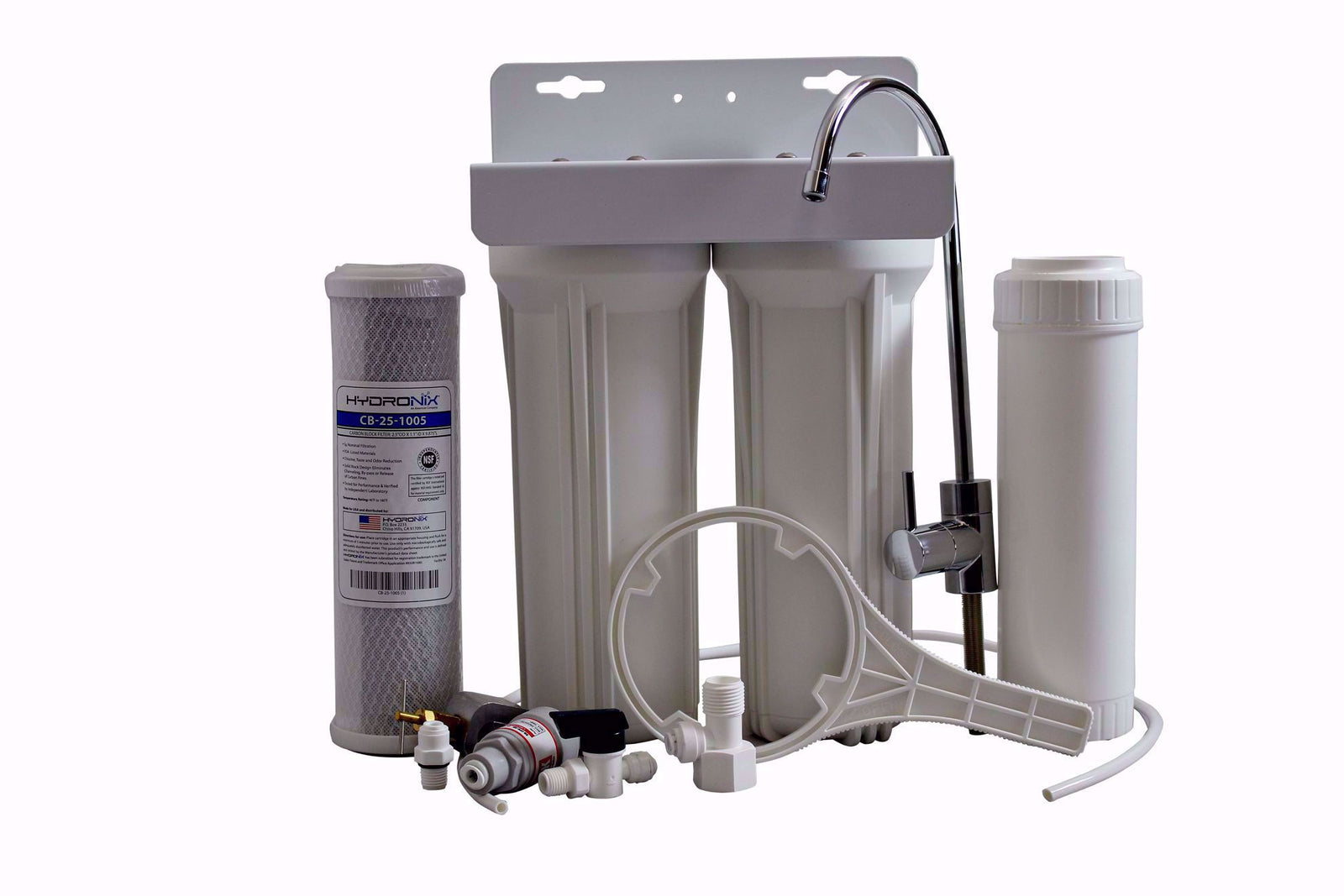 Underbench Water Filter for Fluoride & Chlorine NZ
Pro tip: change your filter on schedule. A clogged filter is like a dirty coffee pot—it works, but everything tastes off. Set a calendar reminder or sync it with your phone’s water-drinking app (yes, that exists). Your water will stay crisp, and you’ll avoid the dreaded “sludge surprise.”
The Cultural Quirks of Clean Water
Did you know that Japan has entire vending machines dedicated to filtered water? Or that Parisians famously prefer tap water over bottled, thanks to the city’s rigorous filtration? Meanwhile, in Brooklyn, you can find hipster cafes selling “fluoride-free” artisanal ice cubes. The moral? Clean, filtered water is the ultimate status symbol that doesn’t need a logo—it just tastes expensive.
Speaking of expensive, a decent dual-purpose filter can set you back $50 to $300, but think of it as a subscription to better tea, clearer skin, and fewer headaches. One study even suggested that removing chlorine can improve your aerobic digestion (read: fewer “bubble guts”). So dry January? Try clean water February instead.
A Final Sip of Reflection
In a world where we obsess over organic kale and $8 oat milk lattes, why not give your tap water the same respect? A filter that removes both fluoride and chlorine isn’t just a purchase—it’s a daily ritual that says, “I value what I put in my body.” Every glass you pour becomes a quiet act of rebellion against the chemical cocktail of modernity.
So fill that reusable bottle, add a lemon slice if you’re fancy, and toast to the simple luxury of water that tastes like nothing—but feels like everything. Your cells will thank you, your coffee will taste brighter, and you’ll never have to fake a smile while choking down “pool water” again. Cheers to that.
