Cdc Opened Bottled Water How Long After Opening

So, you’re standing in your kitchen, staring at a bottle of water you opened three days ago. You take a sip, and it tastes… fine. But then a little voice in your head whispers...
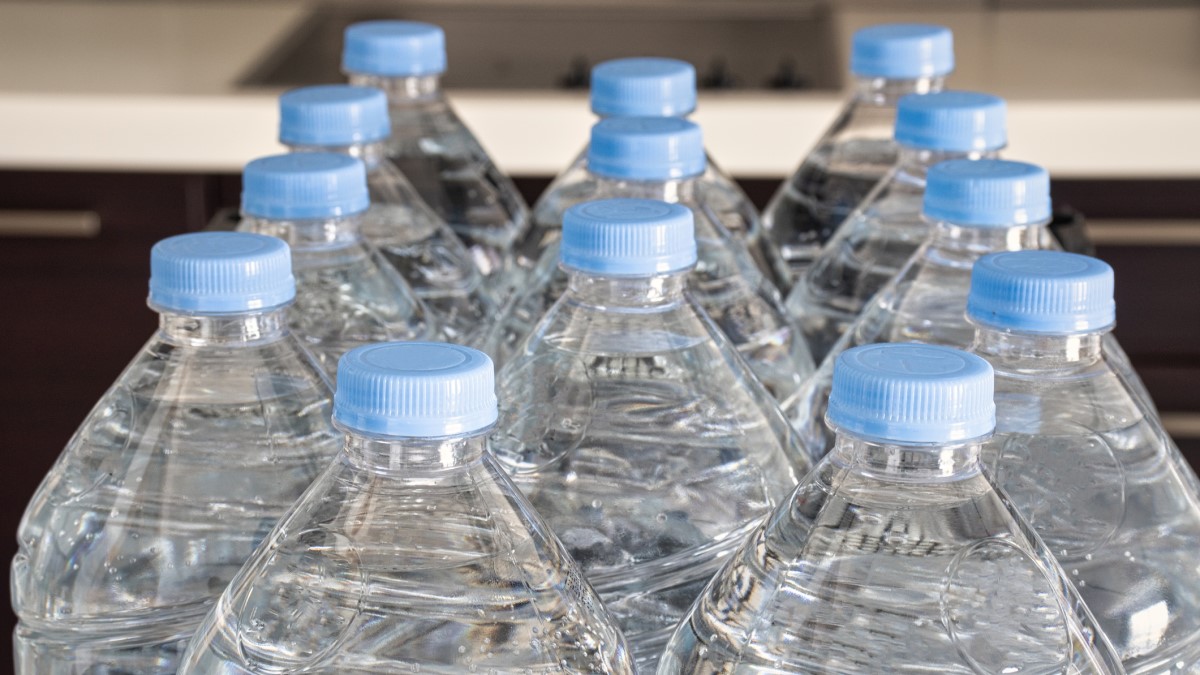
So, you’re standing in your kitchen, staring at a bottle of water you opened three days ago. You take a sip, and it tastes… fine. But then a little voice in your head whispers: Is this still good? You’re not alone—we’ve all been there. The CDC actually has some cool info on this, and it’s way more interesting than you’d think.
The CDC’s Take on Open Water
First, let’s get the official word: the CDC says bottled water is safe to drink indefinitely if stored properly—but once you open it, things change. They recommend drinking it within a few days after opening for the best taste and safety. Why? It’s not because the water goes bad like milk; it’s because of what gets in once the cap’s off.
Think about it: every time you drink from the bottle, your mouth bacteria hitch a ride back into the water. Gross, right? Plus, dust and tiny particles from the air can sneak in. It’s like leaving a cookie jar open—the cookie itself doesn’t rot, but the air and critters change the experience.
Must Read
It’s All About the “Old Water” Taste
Ever notice how water tastes stale after being open for a day or two? That’s because it absorbs carbon dioxide from the air, which lowers the pH and makes it slightly acidic. It’s not dangerous—just flat and a little weird, like that last sip of soda without the fizz. The CDC even points out that warm water or water left in sunlight can grow algae or bacteria faster, so keep it cool.
But here’s the fun part: this is the same science that makes tap water taste different after sitting in a glass overnight. Your brain is just picking up on tiny chemical changes, not a health emergency. So, if you’re three days past opening, you’re probably fine—just don’t make it a habit.
Why It’s Cool to Think About
This question—how long after opening?—is actually a great example of how our modern life works. We’re used to near-perfect food safety, but water is one of those simple things that reminds us: nature always wins. Even in a sealed bottle, the world finds a way to interact with your drink. It’s like leaving a book outside—it might get a little dusty, but it’s still readable.
The CDC’s advice is basically common sense: drink it within a few days, store it in a cool, dark place, and don’t share bottles if you’re sick. They also say that the material of the bottle matters—plastic can leach chemicals over time (especially if hot), while glass or stainless steel is more stable. So, if you’re a reusable bottle fan, you’re already ahead of the game.
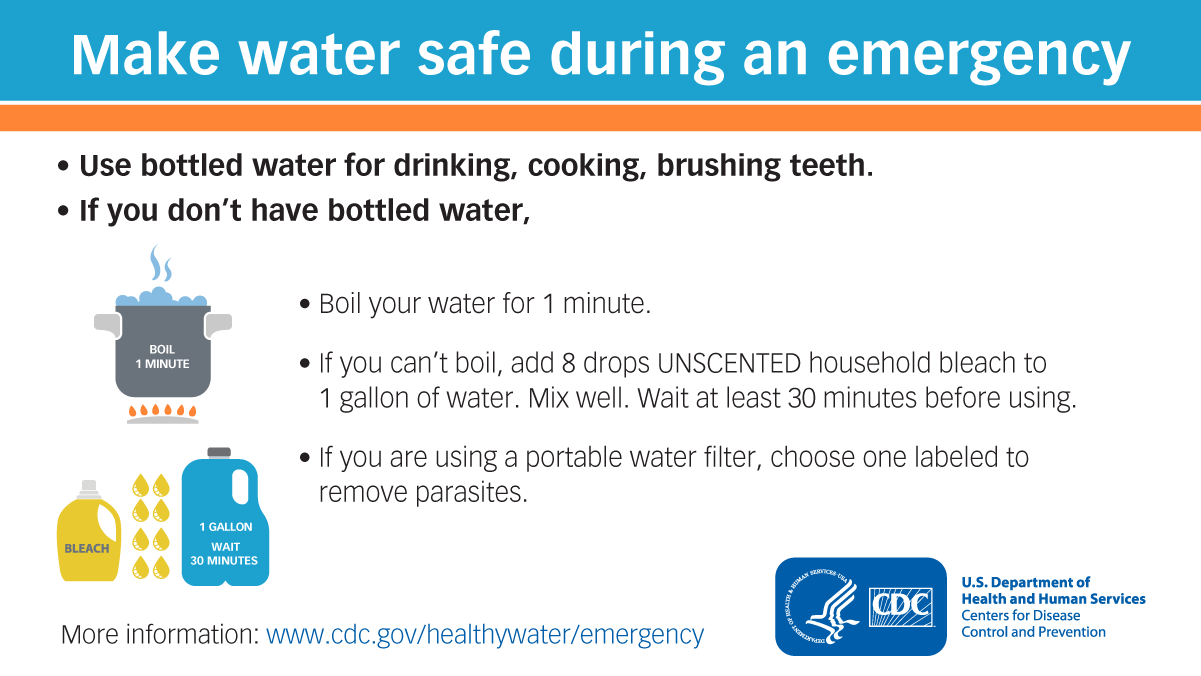 Drinking Water Communication Resources | Drinking Water | CDC
A Fun Comparison: Water vs. Leftover Pizza
Think of opened bottled water like leftover pizza in the fridge. Pizza is fine for a few days, but after a week, it’s dry and sad—maybe even a little fuzzy. Water is similar: it’s not going to kill you, but it’s not at its best. The CDC is basically saying, “Respect the freshness window, but don’t panic.”
And here’s a twist: if you’re worried about bacteria, you can boil the water to make it safe again. But honestly? Most of us are just sipping from a bottle we opened yesterday, and it’s totally fine. Our bodies are pretty good at handling a few stray microbes—it’s part of why we have immune systems.
The Bottom Line (No Pressure)
So, should you toss that open bottle? Only if it smells funky, tastes weird, or has been sitting in your hot car for a week. Otherwise, take a sip and relax. The CDC’s advice is a guideline, not a rigid rule—water is one of the most resilient things we drink.
Next time you’re at the gym and you see last week’s water bottle in your bag, just think: it’s a mini science experiment in your hands. And honestly, that’s kind of cool. Stay curious, stay hydrated, and don’t overthink it—your body knows what to do.
