Is Ro Water Dead Water Remineralization Benefits

Picture this: you’re at a trendy café, sipping on water so pure it could double as lab-grade H2O. That’s reverse osmosis (RO) water—filtered to near-perfection, stripping away...
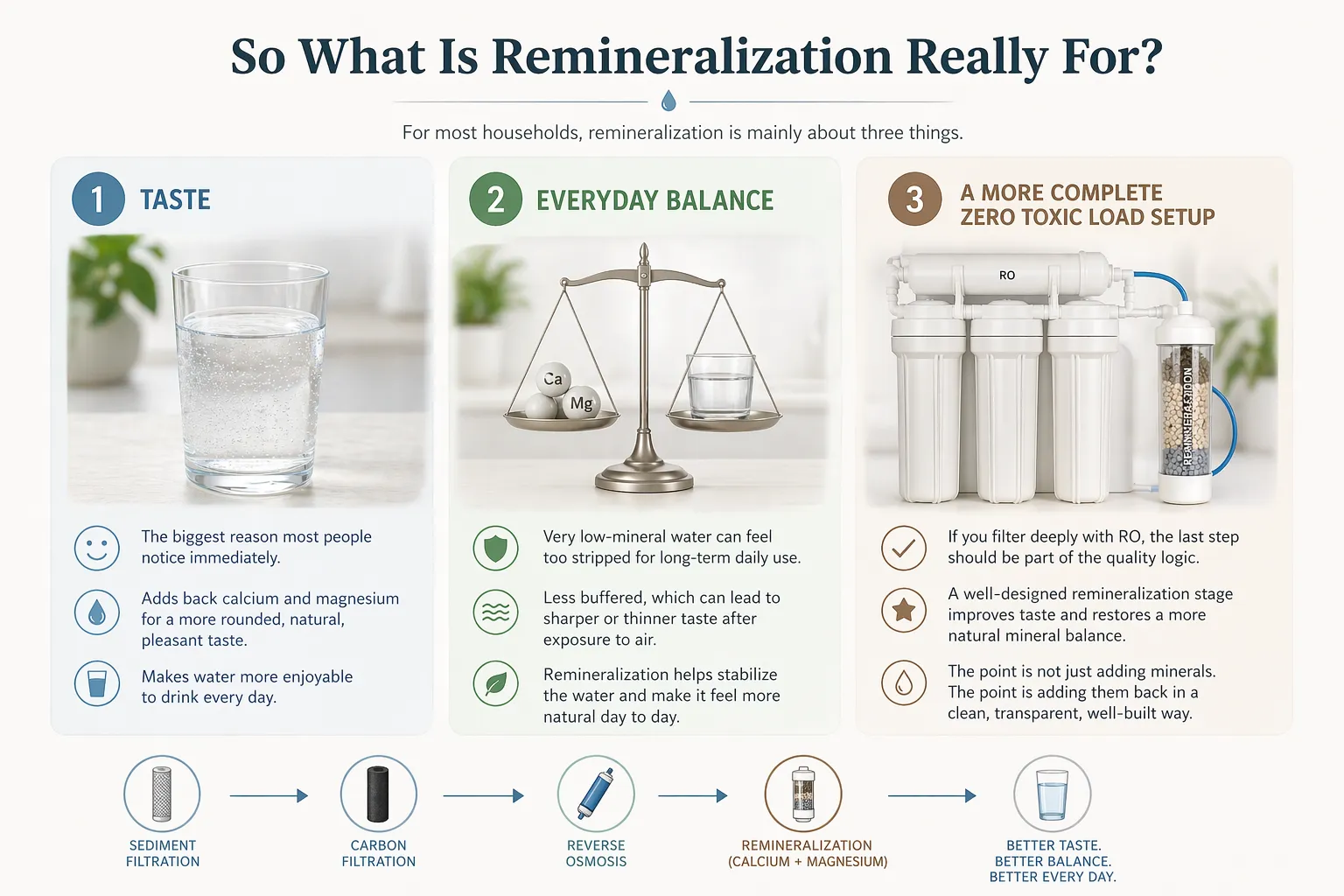
Picture this: you’re at a trendy café, sipping on water so pure it could double as lab-grade H2O. That’s reverse osmosis (RO) water—filtered to near-perfection, stripping away everything from chlorine to heavy metals. But here’s where the conversation gets weird: some people call it “dead water,” a term that sounds more like a bad sci-fi movie than something you’d drink. Is it truly lifeless, or is this just wellness hype gone rogue?
The truth is, RO water is incredibly clean—maybe too clean for some tastes. By removing contaminants, it also removes naturally occurring minerals like calcium and magnesium. That’s where the “dead” label comes from, often batted around by holistic health circles. But don’t toss your under-sink filter just yet; there’s a smart solution called remineralization, and it’s the bridge between pure science and everyday wellness.
The Science of “Dead Water” vs. Living Hydration
Let's get one thing straight: water isn’t alive, so it can't technically die. The term “dead water” is a metaphor popularized by alternative health gurus, often referencing Japanese researcher Dr. Masaru Emoto’s controversial crystal experiments. Emoto claimed that water exposed to positive words formed beautiful crystals, while “dead” water couldn’t—a charming idea, but one that modern science largely dismisses.
Must Read
What is real is that RO water has a very low total dissolved solids (TDS) count. Some studies suggest that drinking demineralized water over long periods may leach minerals from your body, especially if your diet lacks them. However, for the average person eating a balanced diet, the effect is negligible—your avocado toast and spinach salad are doing the heavy lifting.
Why Remineralization Actually Matters
Here’s the practical part: remineralization isn’t about reviving dead water—it’s about balance and taste. Plain RO water can taste flat and slightly acidic (think distilled water), which is why many people find it unsatisfying. Adding back minerals like calcium, magnesium, and potassium boosts pH and gives it that crisp, “mountain spring” mouthfeel.
Fun fact: most premium bottled waters, like Evian or Fiji, are naturally mineralized. Your RO system can mimic that experience with a simple add-on filter. It’s like giving your water a spa day—except the spa is a small cartridge packed with crushed stone or mineral salts.
Cultural reference alert: in Japan, high-end coffee shops use RO water with custom remineralization to match specific bean profiles. They call it “water tuning,” and baristas treat it like a secret sauce. If it’s good enough for a $12 pour-over, it’s good enough for your morning glass.
Practical Tips for Remineralizing at Home
You don’t need a PhD in chemistry to bring your RO water back to life. The easiest hack is adding a remineralization cartridge to your existing system—brands like iSpring or APEC make drop-in stages that fit most under-sink setups. These cartridges use natural coral calcium or tourmaline, slowly releasing minerals as water flows through.
No cartridge? No problem. You can add a pinch of Himalayan pink salt or a drop of concentrated trace mineral drops (sold at health stores) to a gallon of RO water. This re-adds electrolytes without turning your water into brine. It’s the same principle as adding a lemon slice—simple, effective, and Instagram-worthy.
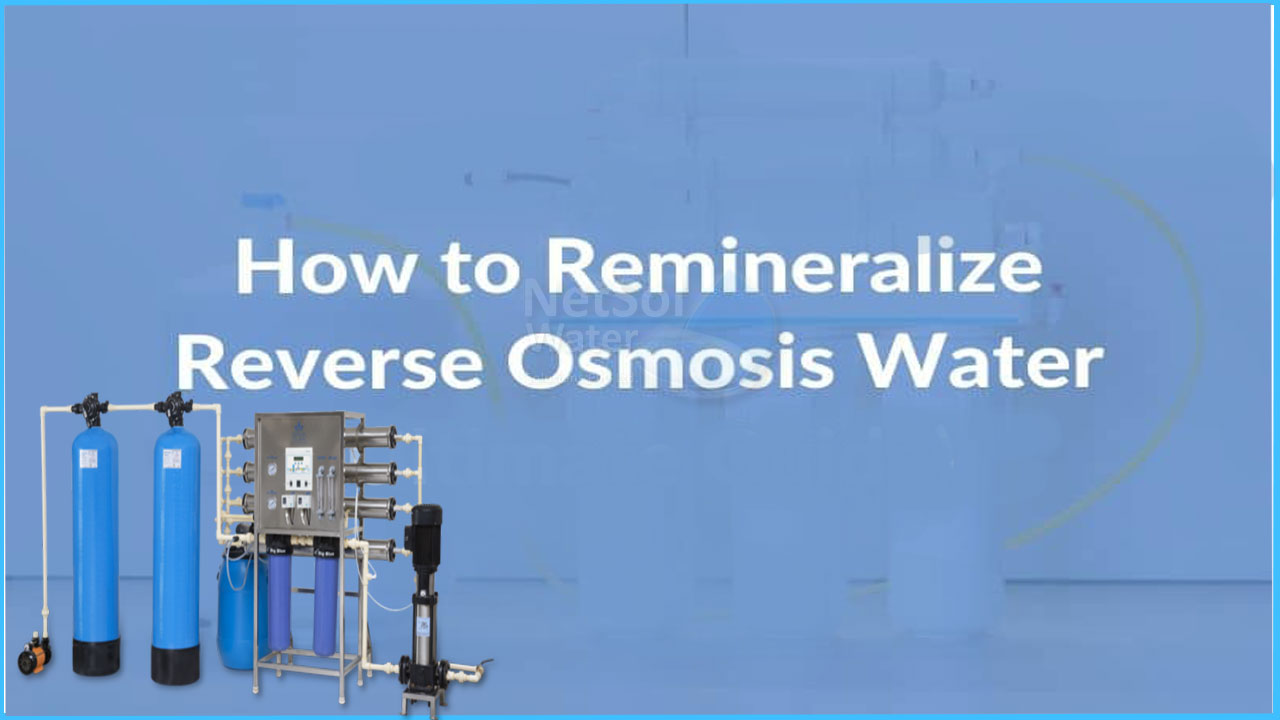 All we know about Re-mineralization of RO water!
Pro tip: if you’re super into hydration aesthetics, keep a glass carafe of remineralized RO water on your counter with a few slices of cucumber and mint. It looks fancy, tastes better, and makes you look like you have your life together—even if you’re still wearing yesterday’s sweatpants.
The “Dead Water” Debate: What to Ignore
You’ll hear claims that RO water is “acidic” and will destroy your gut health or cause tooth decay. The reality? Your stomach acid is far more acidic than any filtered water (pH 2 vs. pH 6 or 7), so that’s a non-issue. And tooth decay arises from sugar and bacteria, not from slightly altered water chemistry.
What you should pay attention to is your own body. If you feel more sluggish or crave salty foods after switching to RO water, that’s a gentle nudge to remineralize. Think of it as your body’s way of saying, “Hey, could you maybe add a splash of mineral back in?”
One more fun fact: astronauts on the International Space Station drink recycled urine filtered by RO—and they add minerals back for taste and health. If it’s good enough for space explorers, it’s certainly not “dead.” It’s just perfectly refurbished.
Connecting Remineralization to Daily Life
There’s something poetic about taking water to its cleanest form, then deliberately adding back what makes it vibrant. Life feels similar sometimes—we strip away clutter, noise, and stress, but we must remember to reintroduce the things that nourish us. Maybe that’s a walk outside, a phone call with a friend, or just a pinch of intention before you take your next sip.
Remineralization isn’t just a chemistry fix; it’s a small ritual that reminds us purity and vitality aren’t opposites. So go ahead, enjoy your ultra-filtered water, and don’t let the “dead water” myth haunt your kitchen. Add a mineral filter, taste the difference, and think of it as your own little act of hydration alchemy.
Your water isn’t dead. It’s just waiting for a bit of life—which you, with a simple twist of a filter or a pinch of salt, can give it. Now that’s something worth raising a glass to.
