Water In Washing Machine Smells Like Rotten Eggs

So, you open your washing machine. You expect the scent of fresh laundry. Instead, you get a blast of rotting eggs. Gross, right? It’s like your appliance decided to ferment a...
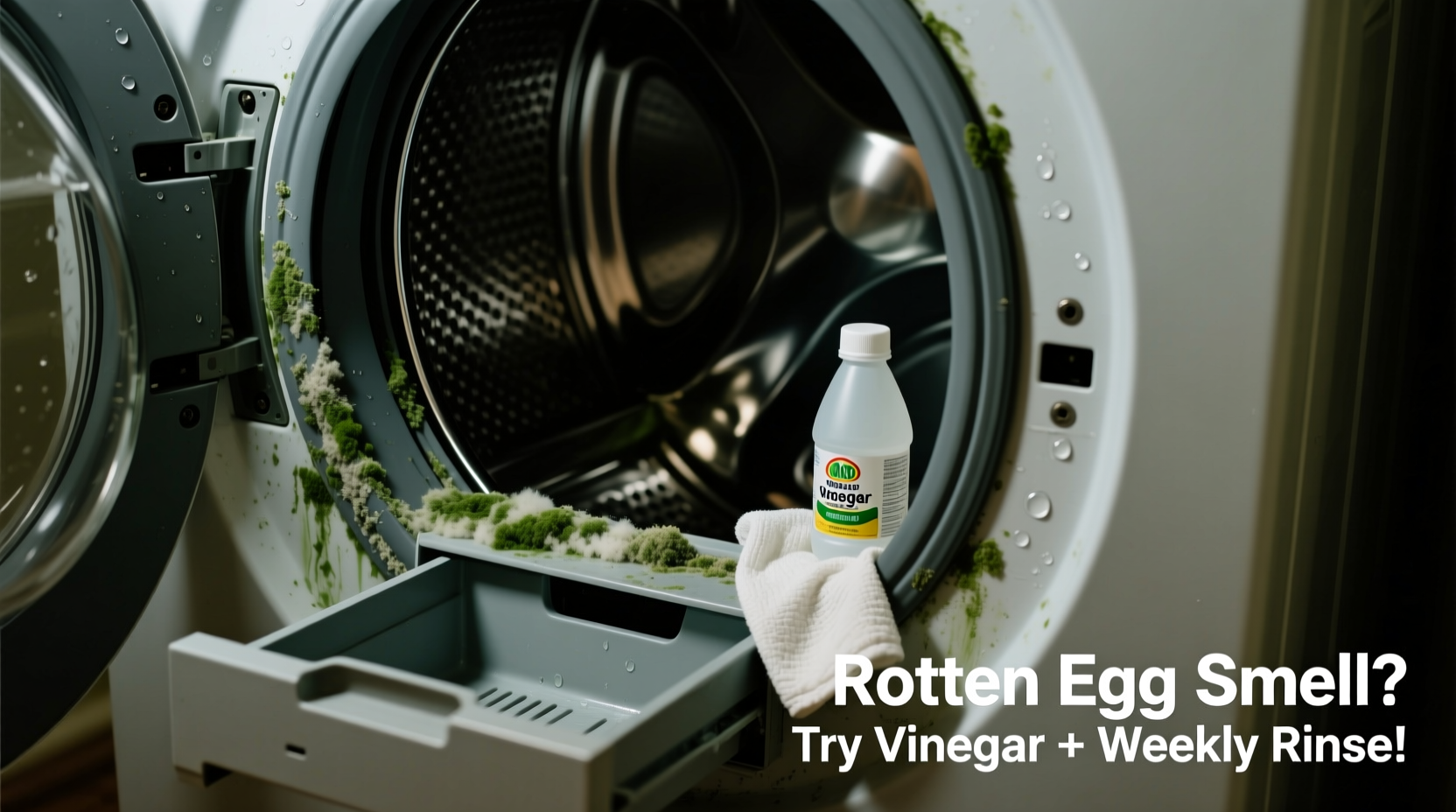
So, you open your washing machine. You expect the scent of fresh laundry. Instead, you get a blast of rotting eggs. Gross, right? It’s like your appliance decided to ferment a swamp.
But here’s the fun part: this is a science mystery. And you’re the detective. The culprit isn’t actually eggs. Thank goodness for that.
Meet hydrogen sulfide. It’s a gas. It smells like death and brimstone. And it’s living in your washing machine.
Must Read
Where does this stink come from?
Bacteria. Tiny, invisible party crashers. They love warm, dark, wet places. Your washer is their VIP club.
When these bugs feast on soap scum and dirt, they burp out hydrogen sulfide. That burp is the rotten egg odor. Your machine isn’t broke. It’s just having a bacterial rave.
Another sneaky source? Your water heater. If the smell hits every tap, not just the washer, your heater is the villain. A magnesium rod inside can react with sulfur in the water. It creates a chemical stink bomb.
The fun fact: It’s a ghost from the Earth
Hydrogen sulfide is naturally occurring. It comes from decomposing plants. It lives in hot springs and swamps. Your washing machine is faking a volcanic vent.
Some people say the smell is like “earth’s farts.” Not wrong. It’s literally a gas that erupts from the planet.
Why is this fun to talk about?
Because it’s so dramatic. One minute you’re a normal person. The next, you’re sniffing your clothes like a bloodhound. You’re blaming your spouse, your kids, or the dog.
Then you realize: the machine is the one being rude. It’s passive-aggressive home maintenance.
Plus, you get to use fancy words. Say “hydrogen sulfide” at your next dinner party. People will think you’re a chemist. Just don’t mention the fart thing.
What about the white vinegar trick?
You’ve heard this, right? Run an empty cycle with vinegar. It works. But why? Vinegar is acidic. It kills the bacteria. It’s like dropping a bomb on their tiny city.
Bleach works too. But never mix them. That creates poison gas. The real poison gas, not the funny rotten egg kind. Read the label, people.
Another quirky fix: hot water. Run the hottest cycle you can. Bacteria hate heat above 140°F. It’s like a sauna of death for them.
Your machine has a secret life
Think about it. Your washing machine is full of biofilm. That’s a slimy coating of microbes. It’s like a microscopic metropolis in your drum.
Every time you wash, you’re feeding them. You’re giving them food (dirt) and water. Then they repay you with the smell of a thousand dumpsters. Ungrateful little monsters.
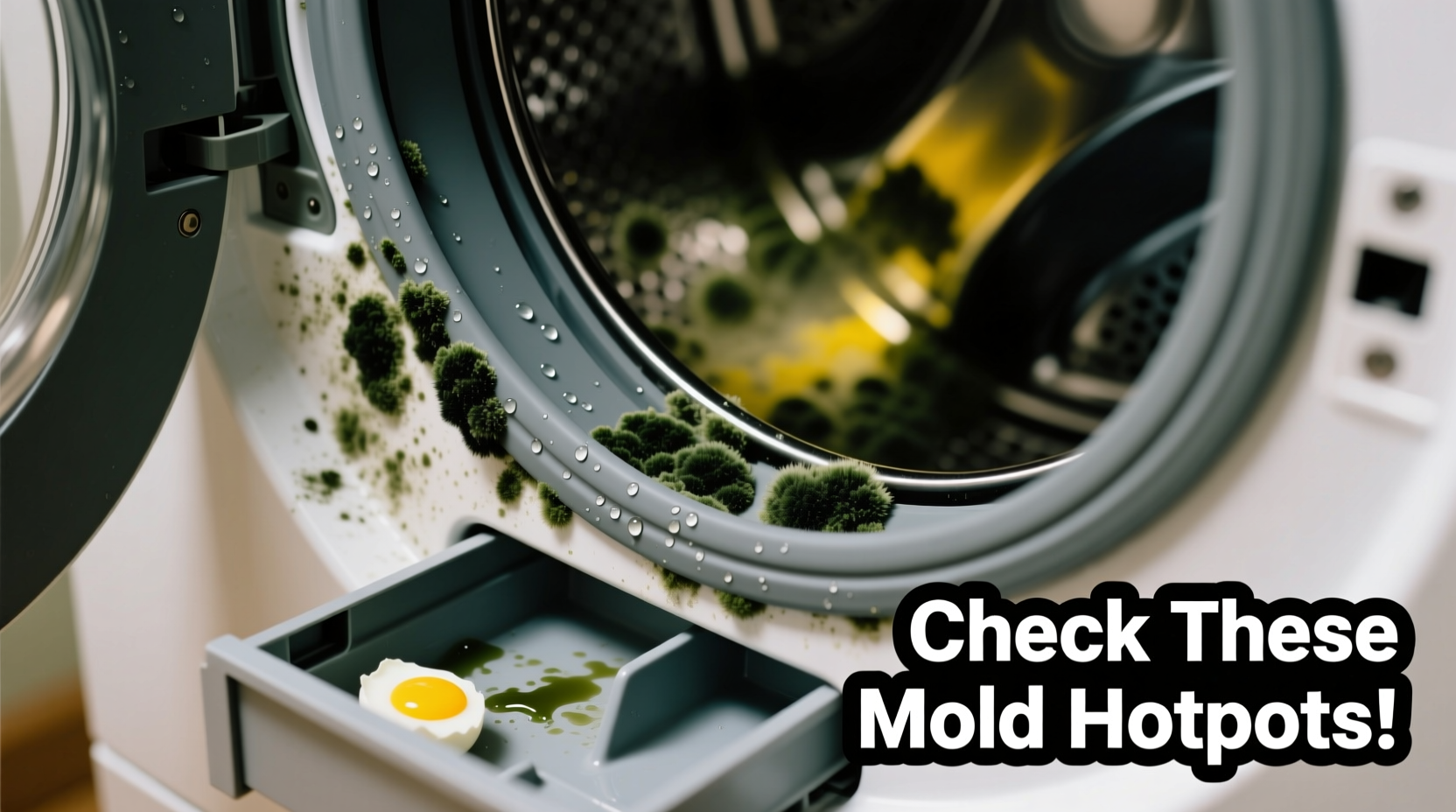 Why Does My Washing Machine Smell Like Rotten Eggs Mold Locations To Check
Fun fact: Some scientists studies biofilm on Mars rovers. They want to avoid contamination. Your washer is basically a Martian science experiment—just smellier.
Does your water source matter?
Oh, yes. If you have well water, you’re a stink lottery winner. Groundwater often has sulfur. It’s from rocks and decaying matter underground.
City water has chlorine. Chlorine kills smells. But if the chlorine is low, the smell sneaks through. It’s like a ninja of stench.
Test your water. If it’s the well, you might need a filter. Or just embrace being a swamp person. No judgment.
The weirdest fix: Change your socks
No, seriously. Old socks can trap moisture. Damp socks in the machine breed bacteria. Take them out immediately. Your nose will thank you.
Another oddball cause: leaving wet clothes inside. Even for an hour. That’s an invitation for the egg smell. Your machine becomes a humidor of funk.
Set a timer. Name it “The Stink Alarm.” When it beeps, move the laundry. It’s a game now. You vs. The Sock Monster.
What about the drain hose?
It can trap sludge. It’s like the machine’s intestines. If they get clogged, the smell bubbles back up. Literally.
Pull out the hose. Check for gunk. If it looks like something from a horror movie, clean it. Wear gloves. Or just burn the hose. Your call.
Some hoses have a U-shape trap. It’s supposed to hold water to block sewer gas. If it dries out, the gas enters. It’s plumbing’s version of leaving the front door open.
You can laugh about it
Because honestly, this is hilarious. You are battling invisible farts in a metal box. It’s the most ridiculous home repair ever.
Imagine explaining this to your grandparents. “The machine smells like sulfur, Grandma.” She’ll think you’ve joined a cult.
So next time your laundry room stinks, smile. You’ve uncovered a microbial rave. You are the bouncer. Show those bacteria the door with hot water, vinegar, and a sense of humor.
And remember: You are not alone. Thousands of people are sniffing their socks right now, nodding in solidarity. Stinky machines unite!
