Difference Between Tap Water And Distilled Water

Let’s be honest: most of us don’t give our tap water a second thought. We fill up a glass, gulp it down, and move on with our day. Distilled water, on the other hand, sounds l...

Let’s be honest: most of us don’t give our tap water a second thought. We fill up a glass, gulp it down, and move on with our day. Distilled water, on the other hand, sounds like something from a science lab—or a very fancy humidifier. But the difference between these two is actually pretty fun to explore, and it can make your daily life a little smarter.
The Everyday Reality of Tap Water
Think about the last time you made a pot of coffee. You probably used tap water straight from the faucet, and it tasted just fine, right? Tap water is a mineral cocktail—it comes complete with calcium, magnesium, and tiny amounts of fluorine added to keep your teeth strong.
But here’s the kicker: that same water that makes a great cup of joe can also leave white, crusty spots on your glassware. Those little flakes are hard water deposits, and they’re proof that tap water is carrying a lot of extra stuff around.
Must Read
My grandmother used to say, “If it leaves a ring in the bathtub, it’s working hard.” She wasn’t wrong. Tap water is a hard worker, but sometimes it overstays its welcome in your coffee maker or on your shower doors.
Distilled Water: The Purist’s Best Friend
Now, imagine water that has been boiled until it turns into steam, then caught and cooled back down into liquid. That’s distilled water—naked water. It has no minerals, no impurities, and not a single party crasher.
It’s so pure that it actually wants to grab onto anything it touches. That’s why you shouldn’t store it in an old soda bottle—it might dissolve tiny bits of the plastic. Wait, that sounds dramatic, but it’s true: distilled water is hungry for minerals.
You’ll find it in your car’s battery, your iron, and your baby’s formula. It’s the water that never leaves a spot or a stain. It’s the quiet, tidy friend who always brings a napkin.
So, Which One Should You Drink?
Here’s where it gets personal. Tap water is perfectly safe for most of us. It’s regulated, tested, and full of minerals your body actually uses, like calcium for your bones. Drink it with confidence—it’s been doing the job for decades.
But if you’re on a strict low-sodium diet or you just hate the taste of chlorine, distilled water might be your better match. It’s flavorless, flat, and completely neutral—like water wearing beige clothes.
The trade-off? Drinking only distilled water for a long time might leach minerals from your body. Yes, that pure stuff can actually pull nutrients out of you. That’s why your mom probably told you never to chug it like a sports drink.
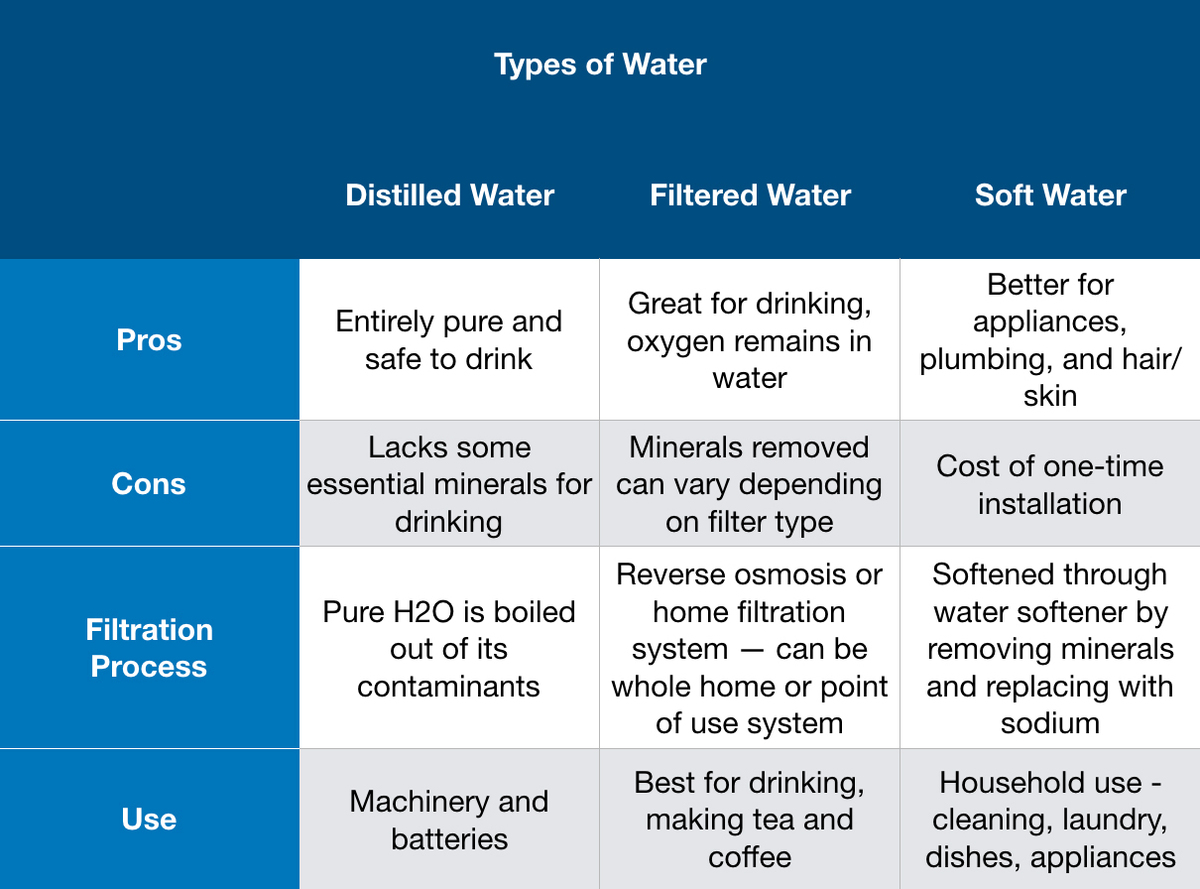 Distilled Water vs Tap Water: Is There a Difference? — WaterSmart
Real-Life Scenarios That Make You Smile
Picture this: you’re making a cup of instant ramen. Tap water gives it that familiar, hearty taste. Distilled water? It makes the noodles feel soulless. You’ll miss the subtle flavor of your local water supply.
Or think about your beloved houseplants. If you’re trying to keep a fussy fern alive, tap water’s chlorine can turn its leaves weepy. Distilled water might save the day—but you’ll have to water it more often because the plant will miss those minerals. It’s like feeding a picky eater only salt-free popcorn.
And let’s not forget the classic pool party debate: nobody wants to swim in distilled water. It feels too clean, almost sterile. Tap water with a little chlorine? That’s the smell of summer.
The Bottom Line for Busy People
You do not need to run out and buy a gallon of distilled water for your morning tea. Tap water is your everyday hero. Use it for drinking, cooking, and washing your face.
Keep distilled water in your pantry for one specific job: anything that hates hard water. That means your steam iron, your CPAP machine, or the little water chamber in your electric kettle. It’s the specialist, not the general practitioner.
So the next time you fill up a glass from the sink, give your tap water a little nod of respect. It’s doing a lot more than quenching your thirst—it’s delivering a steady dose of good stuff. And distilled water? Well, it’ll be there for you when your iron gets cranky.
At the end of the day, both are just H₂O with different attitudes. Tap water is the life of the party, and distilled water is the designated driver. Both have their place, and now you know exactly which one to call on.
