Nsf P231 Microbiological Water Purifier Standard

Ever looked at a stream of crystal-clear water and wondered if you’d be brave enough to drink it? You’re not alone. That’s where the NSF P231 standard comes in, and trust me,...
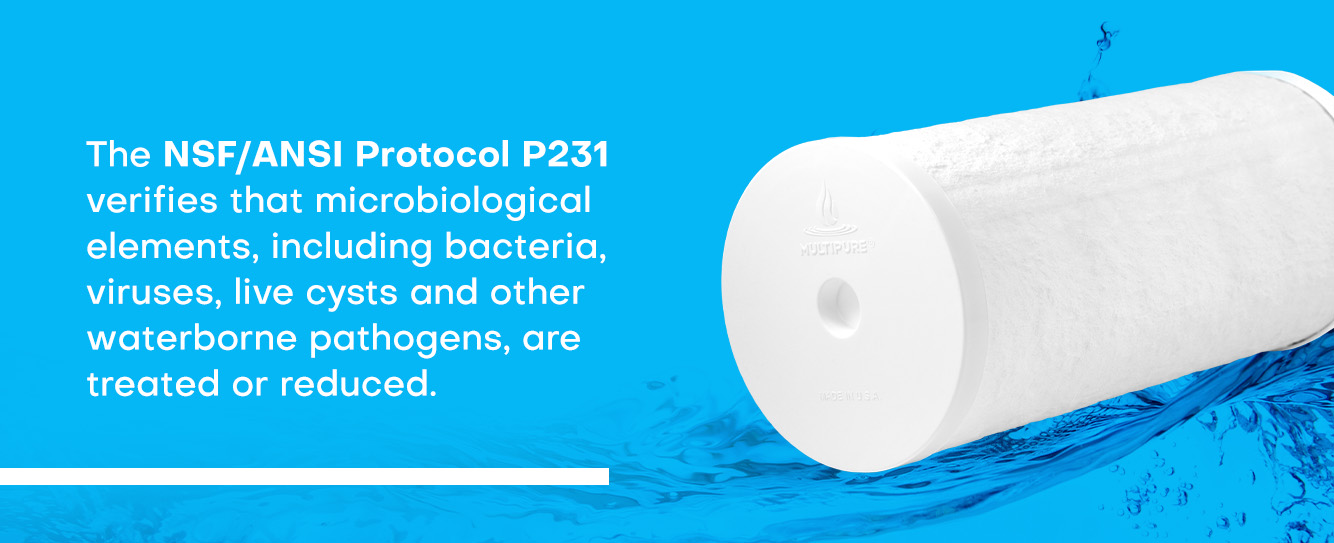
Ever looked at a stream of crystal-clear water and wondered if you’d be brave enough to drink it? You’re not alone. That’s where the NSF P231 standard comes in, and trust me, it’s way cooler than it sounds. Think of it as the secret handshake for water purifiers that actually work against the nastiest bugs out there.
So, what exactly is this mysterious P231? It’s a rigorous test created by the NSF (a global public health organization) specifically for microbiological water purifiers. Basically, it’s the gold standard for proving a device can crush bacteria, viruses, and protozoan cysts like Giardia and Cryptosporidium. If a purifier passes this test, it’s not just a filter—it’s a tiny, portable army against invisible threats.
Why should you care? Because “water filter” is a loose term, like “snack.” Some filters just improve taste, while others remove heavy metals. But P231 is the tough guy who doesn’t mess around. It requires the purifier to remove at least 99.9999% of bacteria (that’s six nines, folks) and 99.99% of viruses. That’s like catching a single grain of sand in a stadium full of sand—insanely good.
Must Read
Imagine a scenario: you’re hiking in the backcountry, and your water bottle is empty. You find a murky puddle. A P231-certified device turns that “yikes” into “yes, please.” It’s the difference between gambling with your gut and feeling smug about your science-approved sip. Pretty rad, right?
But how does it actually work?
Most P231 purifiers use a cocktail of tech: a fine physical barrier (like a 0.2-micron filter) plus something else—often ultraviolet (UV) light or a chemical additive like iodine or chlorine. The combo is key because viruses are tiny enough to slip through some filters alone. Think of it as a one-two punch: the filter catches the big guys, and the UV or chemical zaps the sneaky little viruses. It’s like having a bouncer at the door of a club and a sniper on the roof.
Here’s the fun part: P231 isn’t just for survivalists. Every time you see that little blue NSF logo on a water bottle or countertop dispenser, it means someone spent serious cash and time proving their gizmo works. Even during a boil-water advisory (like after a hurricane), a P231 purifier can save the day—no fire needed. It’s basically a superpower you can carry in your pack.
So, what’s the catch?
Well, P231 is tough to achieve. Most basic water filters (like those pitcher ones) don’t even try for it. They aim for taste and chlorine removal, not microbe annihilation. That’s like comparing a bicycle to a mountain bike—both go forward, but only one climbs rocks. A P231 device is the mountain bike of water safety. It’s also why these purifiers often cost a bit more and require some maintenance, like replacing a UV bulb or changing cartridges.
 NSF Standard P231 - YouTube
Let’s talk about the real-world testing. NSF doesn’t just take the company’s word for it. They literally pump challenge water—water loaded with known amounts of bacteria, viruses, and cysts—through the purifier. If a single germ sneaks past, it fails. It’s like a sports doping test for water gear. No partial credit. You win or you go home.
Curious if your favorite outdoor brand has the badge? Look for “NSF P231” or “NSF 53” (for cysts) on the specs. Brands like Katadyn, MSR, and SteriPEN often list it proudly. But here’s a pro tip: some devices claim “purification” without the certification. Don’t fall for it. A claim without P231 is like a YouTube chef saying they’re a Michelin-star chef—might be true, but you wouldn’t bet your stomach on it.
Now, you might think, “Is this overkill for my tap water at home?” Yes, probably. But if your water comes from a well, a lake cabin, or a place with old pipes, P231 is your insurance policy. It’s also why astronauts on the International Space Station use water purifiers that unironically meet similar standards—because in space, no one can hear you get Montezuma’s revenge. See? Cool.
In the end, P231 is just a piece of paper—until you’re really, really thirsty. Then it’s the difference between adventure and regret. So, next time you shop for a water purifier, remember: if it doesn’t have the P231 badge, it might just be a fancy straw. And who wants to trust their digestive tract to a fancy straw? Exactly. Stay chill, stay safe, and let the science do the heavy lifting.
