Industrial Water Treatment Systems Manufacturers

The first time I saw an industrial water treatment system up close, I was expecting something out of a sci-fi movie—glowing tubes, bubbling vats, maybe a mad scientist in a la...
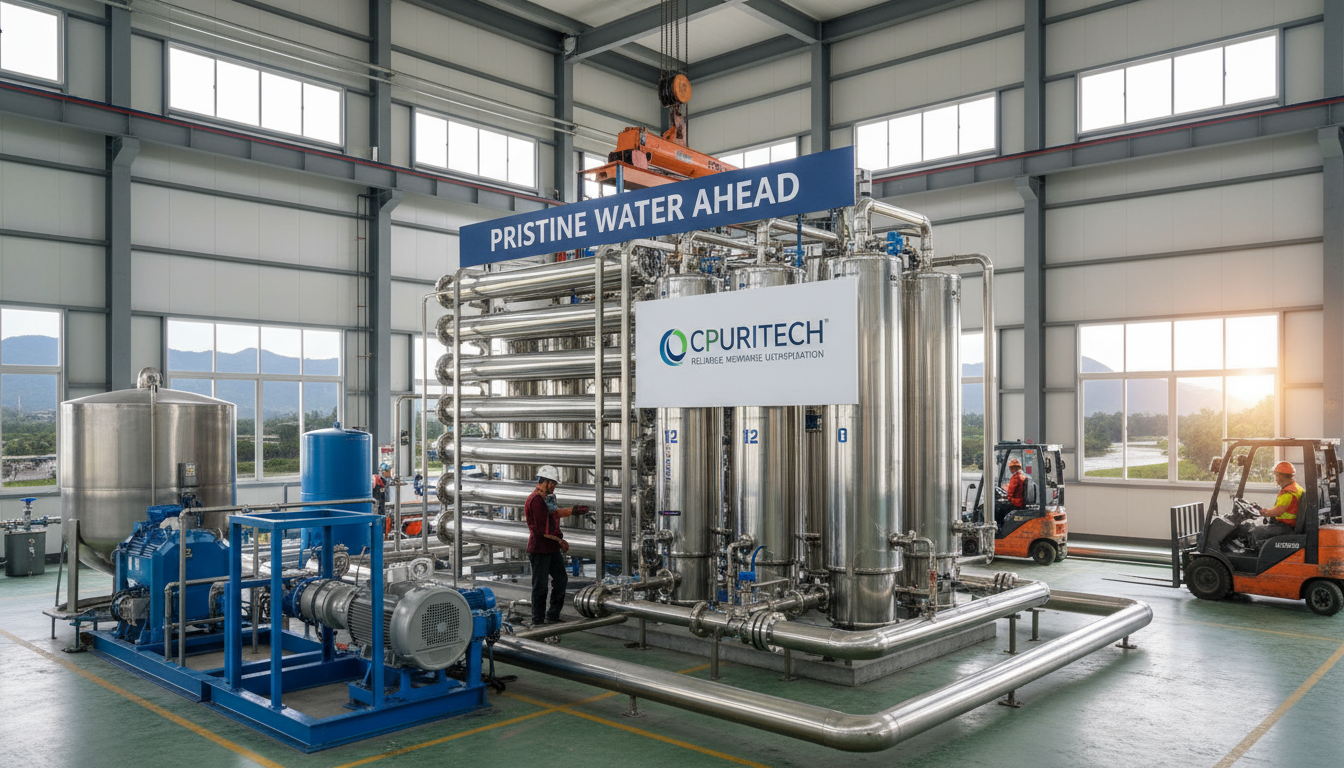
The first time I saw an industrial water treatment system up close, I was expecting something out of a sci-fi movie—glowing tubes, bubbling vats, maybe a mad scientist in a lab coat. Instead, I found myself staring at a massive, grumbling metal box that looked like it had been designed by an architect who really loved parking garages. That unglamorous hunk of steel, I later learned, was quietly saving a factory’s entire production line from shutting down. And the company that built it? A manufacturer of industrial water treatment systems—the unsung heroes of almost everything we touch, eat, or wear.
Let’s be real for a second (sidebar: you’re probably sipping coffee or water right now, and if that water came from a municipal tap, thank a treatment plant; if it came from a factory bottle, thank one of these systems). These manufacturers aren’t exactly household names—nobody’s putting their logo on a T-shirt. But without them, your smartphone would be coated in mineral sludge, your favorite brewery would be making sour beer, and power plants would melt down faster than a popsicle in July. They are the silent gatekeepers of quality, safety, and sanity in the industrial world.
What do they actually make?
Think of them as the plumbers for giants—but way smarter. These companies design, engineer, and install systems that remove everything from dirt and bacteria to heavy metals and chemicals from water used in manufacturing. Some systems are simple: a few filters and a UV light. Others are monstrous labyrinths of pipes, tanks, and control panels that look like the guts of a spaceship. And here’s the kicker: each system is custom-built for a specific industry, because the water that washes lettuce is not the same water that cools a steel furnace.
Must Read
But don’t let the “industrial” label fool you. These manufacturers are also the reason your morning latte tastes consistent (dairy plants need ultra-pure water) and why the dye on your jeans stays blue (textile factories recycle water through these systems). If you’ve ever wondered why town water smells like a swimming pool while factory water tastes like nothing—this is their magic trick. They’re obsessed with purity, and honestly, we should be grateful for that obsession.
Who are the big players?
You’ve probably never heard of names like Veolia, Evoqua, or SUEZ—unless you’re a factory manager or a serious water nerd (hi, if that’s you). They dominate the global scene, building everything from reverse osmosis plants for semiconductor fabs to zero-liquid discharge systems that turn wastewater into salt bricks. Then there are the smaller, scrappier specialists—companies that focus on, say, treating oilfield produced water or pharmaceutical-grade water. These niche players often know more about your local water chemistry than your tax accountant knows about your deductions.
Here’s the ironic part: many of these manufacturers are shy about bragging. They’ll proudly show you a pilot plant that removes 99.9% of contaminants, but they’ll mumble if you ask for a client list. Why? Because the industries they serve—oil, gas, chemicals, mining—are often seen as the villains of environmental stories. But without their water treatment systems, those villains would be way worse. It’s like a silent partnership between the “bad guys” and the “green guys” to keep things from going totally haywire.
 500 Lph Industrial Water Treatment RO Filtration System Reverse Osmosis
Why should you care?
Because water is the new oil, and these manufacturers are the ones turning contaminated, unsellable water into a valuable resource. A single beverage plant can waste thousands of gallons a day without a good treatment system. A textile mill dumps dye in rivers if it doesn’t recycle. These companies aren’t just selling equipment—they’re selling responsibility (and also, let’s be honest, preventing lawsuits).
And in an era of “greenwashing,” it’s actually refreshing to see manufacturers who have to prove their systems work—or else a client’s factory stops producing. No marketing fluff. Just “Here’s 100,000 gallons of clean water an hour. Your move.” That’s the kind of confidence you can only find in an industry where output is literally measured in purity percentages.
What’s next for them?
Two words: smart water. Internet-connected sensors, AI-driven monitoring, and predictive maintenance are turning these boring metal boxes into intelligent water robots. Some manufacturers now offer “water as a service,” where you pay per gallon of clean water instead of buying the system outright. It’s like a Netflix for H₂O—and honestly, can you think of anything more 2024?
So next time you enjoy a cold beer, a hot shower, or a scratch-free phone screen, pour a little out (mentally) for the industrial water treatment system manufacturers. They’re not flashy. They don’t have celebrity endorsements. But they’re the ones making sure your world doesn’t run dry—or turn orange.
