Old Style Hydraulic Shut Off Valve For Ro System

So, you’ve got a Reverse Osmosis (RO) system under your sink, right? It’s that fancy little water factory that makes your tap water taste like melted glacier. But lurking behi...
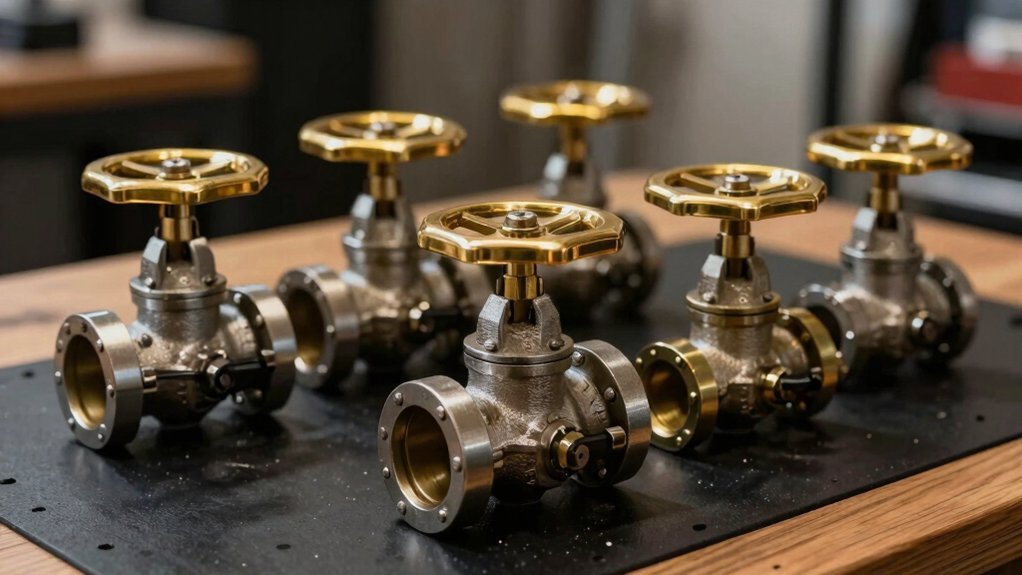
So, you’ve got a Reverse Osmosis (RO) system under your sink, right? It’s that fancy little water factory that makes your tap water taste like melted glacier. But lurking behind the pipes is a weird little beast: the Old Style Hydraulic Shut Off Valve. This is not your grandpa’s garden hose valve—it’s a hydraulic squirt gun that thinks it’s a brain surgeon.
Let me paint a picture. Imagine a tiny, plastic submarine captain living in your pipe. When your storage tank is full, he slams a rubber door shut with the force of a thousand enraged hamsters. That’s exactly what this valve does, except it uses water pressure to do all the work. No electricity, no sensors, no blinking lights—just pure, slapstick physics.
Now, why should you care? Because without this unsung hero, your RO system would become a drinking fountain for your floorboards. When the tank is full, a normal valve would let water keep trickling down the drain like a leaky faucet at 3 AM. Not this chunky little champ—it senses the backpressure and slams the door shut like a grumpy librarian closing for the night.
Must Read
The Secret Life of Water Pressure
Here’s where it gets weird. This valve doesn’t have a single spring or electronic chip. It runs on the hydraulic equivalent of a tantrum. Water pressure builds up in a tiny chamber, pushing a diaphragm that crushes a poppet against a seat. I know that sounds like baby talk, but trust me—it’s more dramatic than a reality TV reunion.
When the tank fills up, the pressure in the line fights back. The valve feels that pressure and thinks, “Nope, we’re done here.” It then cuts off the feed water to the RO membrane entirely. No more dripping, no more wasting water, no more plumbers giving you the side-eye. It’s basically a water-saving ninja that works 24/7 for zero pay.
Surprising fact: these valves were invented in the 1950s. That’s right—while your grandparents were jitterbugging, some engineer in a lab coat said, “Let’s make a valve that uses water to boss around other water.” It’s like teaching a fish to kick a soccer ball. It shouldn’t work, but it does.
Why “Old Style” Sounds Like an Insult (But Isn’t)
You might hear “old style” and think of a rusty toaster or your uncle’s mustache. But in the RO world, old style means stone-cold reliable. Modern valves often use electric solenoids, which are fancy magnets that break when you look at them funny. The hydraulic version? It’s powered by the same force that makes your garden hose whip around like a drunk snake. It’s stupid-proof.
Here’s the catch: if your water pressure is low (below 40 psi), this valve gets lazy. It’ll sit there like a teenager on a couch, refusing to shut off properly. “Ugh, I’m not feeling the pressure today.” That’s when you get a slow, angry drip-drip-drip that sounds like a tiny drum solo in your cabinet. Solution? Get a booster pump. Or just yell at it. I’ve done both.
 Ro Hydraulic Shut Off Valve at Brianna Hort blog
Another surprise: these valves can fail because of mineral buildup. If you live in a place with hard water, the valve’s tiny internal channels can get clogged with calcium. It’s like trying to run a marathon while wearing concrete shoes. Eventually, the valve says, “I’m out,” and your RO system runs forever. You’ll know because you’ll hear the drain gurgling like a happy ghost.
How to Befriend Your Old-Style Valve
First, don’t touch it if it’s working. Seriously. This valve is like a grumpy cat—leave it alone, and it’ll purr for years. If you must inspect it, look for a little plastic knob or a white tube connected to a wider body. That’s the hydraulic line. If you see water leaking from that line, you’ve got a problem. But do not panic. Just turn off the feed water and unscrew the valve like you’re opening a stubborn pickle jar.
Replacement costs about twelve dollars. Yes, twelve. For a device that can save you from a flooded kitchen, that’s cheaper than a pizza. And it takes all of fifteen minutes to install, assuming you can remember which way is “righty-tighty.” Hint: it’s the same direction you’d turn a bottle of beer. Trust me on this.
The Final Verdict (With a Side of Sarcasm)
So, should you upgrade to a modern electric valve? Only if you enjoy replacing circuit boards and resetting timers while your wife asks, “Is that water supposed to be shooting out?” The old style hydraulic shut off valve is the ultimate low-tech hero. It’s the Chuck Norris of plumbing parts—no frills, all action, and it never complains about your water quality.
Remember: this little beast uses nothing but water pressure to decide when to say “no more.” It’s like a bouncer at a club for water molecules. And best of all, it never texts you back. So next time you sip that delicious zero-TDS water, raise a glass to the silent, soggy champion under your sink. He’s doing all the work while you drink like royalty.
If your RO system starts running continuously and you hear a trickle that won’t stop—check the valve. And if it’s broken, just replace it. Don’t overthink this. You’re smarter than a hydraulic mushroom that’s been around since the Eisenhower administration. Probably.