Whole House Water Filter Before Or After Softener

Okay, let’s talk about something that has caused more arguments in my house than the thermostat setting: the whole house water filter. Specifically, should it go before or aft...
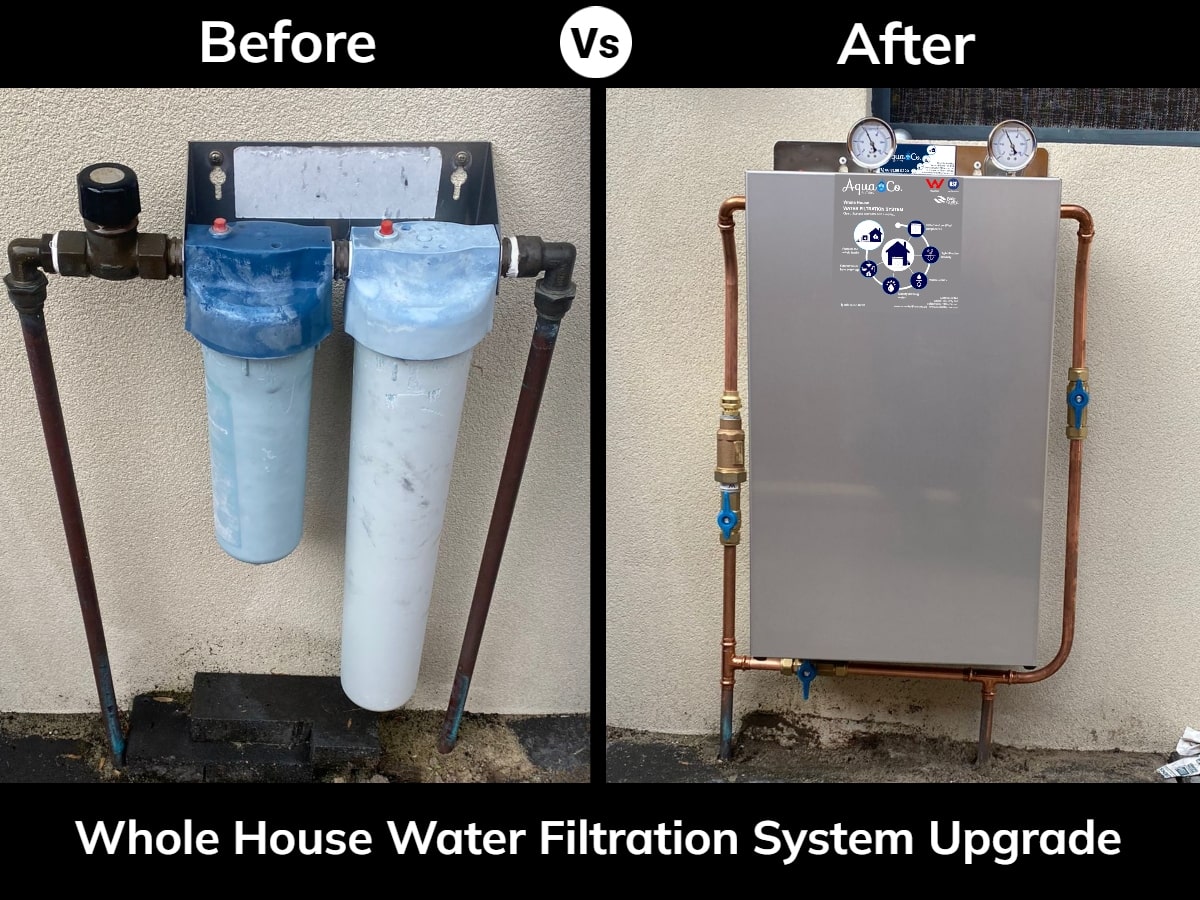
Okay, let’s talk about something that has caused more arguments in my house than the thermostat setting: the whole house water filter. Specifically, should it go before or after the water softener? This is the plumbing version of the “which came first, the chicken or the egg?” question, only with less squawking and more calcium. I dove into this watery rabbit hole so you don’t have to drown in confusion. Grab your coffee, and let’s get this sorted.
The Great Plumbing Debate
Picture your water pipes as a tiny, very wet highway. The water softener is the big, brash truck that’s great at hauling hard minerals away. The filter is the polite sedan that just wants to remove sediment and chlorine. The question is: who drives in front? Most experts agree on one configuration, but the internet is a wild place full of conflicting advice.
Rule number one: If you have sediment, like sand or rust, that stuff is pure evil for your softener. It’s like letting toddlers into a china shop. That’s why the majority of plumbers will scream from the rooftops: Filter first, softener second. This way, the filter catches the big, abrasive particles before they can gum up the softener’s delicate resin beads.
Must Read
A surprising fact: those resin beads inside a water softener cost as much as a small vacation. Protecting them is cheaper than a therapist. So, putting a sediment filter in front is basically giving your softener a hug. Unless you enjoy replacing expensive equipment just because you skipped a fifty-dollar filter. I don’t.
The Chlorine Catastrophe
Here’s where it gets spicy. That lovely “swimming pool” smell in your tap water is chlorine, and it’s terrible for softener resin. It degrades the beads, turning them into useless mush over time. A carbon filter placed before the softener can remove that chlorine, extending the softener’s life by years.
But wait—there’s a catch. Some carbon filters can break down and release tiny carbon particles. If those get into your softener, you get black, funky water that looks like it came from a swamp monster’s bathtub. Not a good look. So, you need a high-quality filter designed for this job, not the cheapest thing you found on a midnight shopping spree.
If you’re on city water with low sediment, you might be tempted to go filter-after-softener. The logic: the softener handles the hard water, then the filter polishes the taste. That’s a fair point. But you’re then subjecting your softener to chlorinated water, which is like feeding it junk food every day. It will function, but it won’t live as long.
When Your Water is a Disaster
Let’s talk about well water owners. My friend, you have a whole different zoo. Your water might contain iron, manganese, and the occasional tiny frog. Iron is the enemy of softeners. It coats the resin and turns your white laundry orange. In this case, you absolutely need a filter before the softener to remove that iron.
A sediment filter for the big chunks, followed by a carbon filter for taste and chlorine, all before the softener. This is the “holy trinity” of water treatment. If you skip this step, your softener will be dead within a year. I’ve seen it happen, and the owner cried. Real tears. Don’t be that person.
 Water Filter Before Or After Water Softener at Pearl Murray blog
There’s also the “unholy” problem of low water pressure. Every filter and softener adds resistance. If you put too much stuff in front, you’ll get a trickle instead of a shower. You’ll end up washing your hair with a sad drip. That’s why you need to buy filters with a high flow rate, or you’ll be inventing new curse words every time you turn on the faucet.
The Surprising Expert Hack
Here’s a move that water nerds love: use a sediment filter before the softener, and a small carbon filter after. Why? The carbon after catches any weird tastes from the softener’s regeneration process. It also removes any residual chlorine that somehow snuck through. This gives you the best of both worlds: protected softener, and great-tasting water.
Think of it like this: you don’t wear your raincoat over your shoes. The filter (raincoat) goes on your body (pipes), and the softener (your cozy sweater) goes on top. Order matters. Yes, it costs more to buy two filters. But so does replacing your entire softener because you got lazy.
One more surprising fact: water softeners are actually slightly magnetic. That’s not a joke. The resin beads function using ionic attraction. So, if you put a strong magnet near them, you can mess up their performance. Is this relevant to your filter order? No, but it’s a great party trick. “Wait, my softener is magnetic?” Yes, and now you look like a genius.
Final Verdict (No Pressure)
If you want to keep it simple: Filter BEFORE softener. Pick a good sediment filter for well water, or a carbon filter for city water. This is the safe bet. It’s the plumbing equivalent of looking both ways before crossing the street. Your softener will thank you by not costing you a fortune in repairs.
If you’re a mad scientist and want maximum taste, do a sediment filter before, then let the softener do its job, then a tiny carbon filter after. This is for people who can taste the difference between tap water and bottled water. I salute you, water snob. Just be prepared to change filters more often.
At the end of the day, any configuration is better than nothing. Drinking unfiltered hard water is like eating raw potatoes. It won’t kill you, but why would you do it? So, make a choice, buy the parts, and enjoy your silky-smooth, delicious water. You’ve got this. And if you mess it up, just blame the internet. That’s what the rest of us do.
