Water Filtration Systems For Home Remove Fluoride

Let’s talk about your tap water. You probably already know it’s not just H₂O flowing from the faucet, but a chemical cocktail that includes chlorine, trace minerals, and—depen...
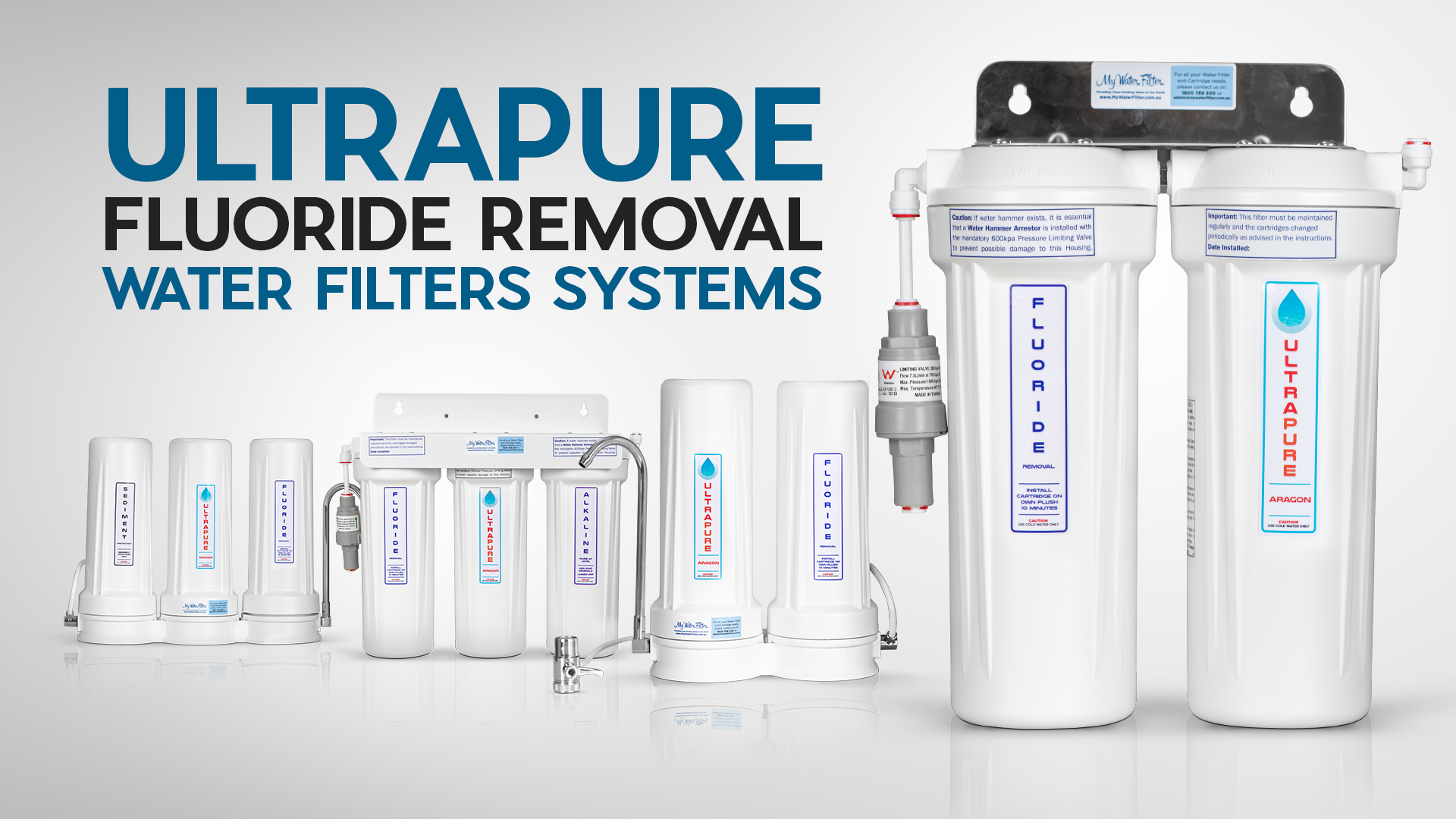
Let’s talk about your tap water. You probably already know it’s not just H₂O flowing from the faucet, but a chemical cocktail that includes chlorine, trace minerals, and—depending on where you live—fluoride. For decades, fluoride has been hailed as dentistry’s guardian angel, but a growing number of health-conscious folks are reconsidering that daily dose. Think of it as the skincare routine of your plumbing: sometimes what’s “added for your benefit” isn’t what your body actually wants.
Fluoride is added to municipal water supplies to reduce tooth decay, a practice that started in the 1940s. It’s a classic public health success story—like seatbelts or pasteurized milk—but the conversation has shifted. Recent studies suggest that excessive fluoride intake may be linked to dental fluorosis (white spots on teeth), skeletal issues, and even thyroid concerns. The kicker? You’re already getting fluoride from toothpaste, mouthwash, and processed foods made with fluoridated water. This is where a home filtration system becomes your personal water sommelier.
So, can a simple countertop filter remove fluoride? The short answer is: not all of them can. Standard carbon filters—like those in basic pitchers or fridge dispensers—are great at removing chlorine and bad taste, but fluoride is a stubborn little ion. It’s tiny and negatively charged, which means it slips right through carbon pores like a VIP backstage at a concert. You need a system that specifically targets fluoride, and the options are actually quite sleek and modern.
Must Read
The Fluoride-Fighting Contenders
Your first star player is reverse osmosis (RO). This system pushes water through a semipermeable membrane that blocks fluoride, lead, arsenic, and even microplastics. RO systems have evolved from bulky under-sink behemoths to slim, no-nonsense setups you can tuck under your kitchen cabinet. The catch? They waste a bit of water (about 3 gallons for every gallon filtered) and remove healthy minerals like calcium and magnesium—so you might want to add a remineralizing filter.
If RO feels too intense for your lifestyle, consider a distillation system. It boils water, collects the steam, and leaves behind fluoride and most contaminants. It’s like doing a science experiment every time you want a glass of water, but the result is as pure as a mountain stream. Just be warned: distilled water tastes flat because it’s stripped of minerals, so you’ll want to add a pinch of sea salt or a mineral drop for flavor.
For the eco-friendly and design-minded, look into activated alumina filters. These use aluminum oxide to adsorb (not absorb) fluoride, capturing it like a magnet. They’re often part of a multi-stage under-sink system and are more affordable than RO. They’re also becoming aesthetic—think brushed steel faucets with LED indicators that tell you when the filter needs replacing. It’s the Millennial-friendly upgrade your counter never knew it needed.
A Cultural Nod to Clean Water
Have you noticed how everyone from wellness influencers to your friend who does cold plunges is obsessed with “structured water” or “alkaline water”? It’s a vibe, but let’s be honest: the first step to any water ritual is removing fluoride. In cities like Portland, Oregon (which famously rejected fluoridation in 2013), and parts of Europe, fluoride-free water is the norm. Meanwhile, in much of the U.S., it’s a given. Installing a fluoride-removing filter isn’t just a health decision—it’s a lifestyle flex, like owning a sourdough starter or knowing the best farmer’s market spot.
Here’s a fun fact: the city of Boulder, Colorado, debated fluoride for years, and the debate became so heated it inspired a local brewery to make a “Fluoride-Free IPA.” Yes, beer. Because even hops deserve purity. If that doesn’t tell you water quality is culture, nothing will.
Practical Tips for the Filter-Curious
Tip 1: Check your local water report. Your city’s utility publishes an annual water quality report online. Look for “fluoride” levels—typically 0.7 to 1.2 mg/L. If you’re on well water, test it separately; natural fluoride can be higher. No need to guess; data is your friend.
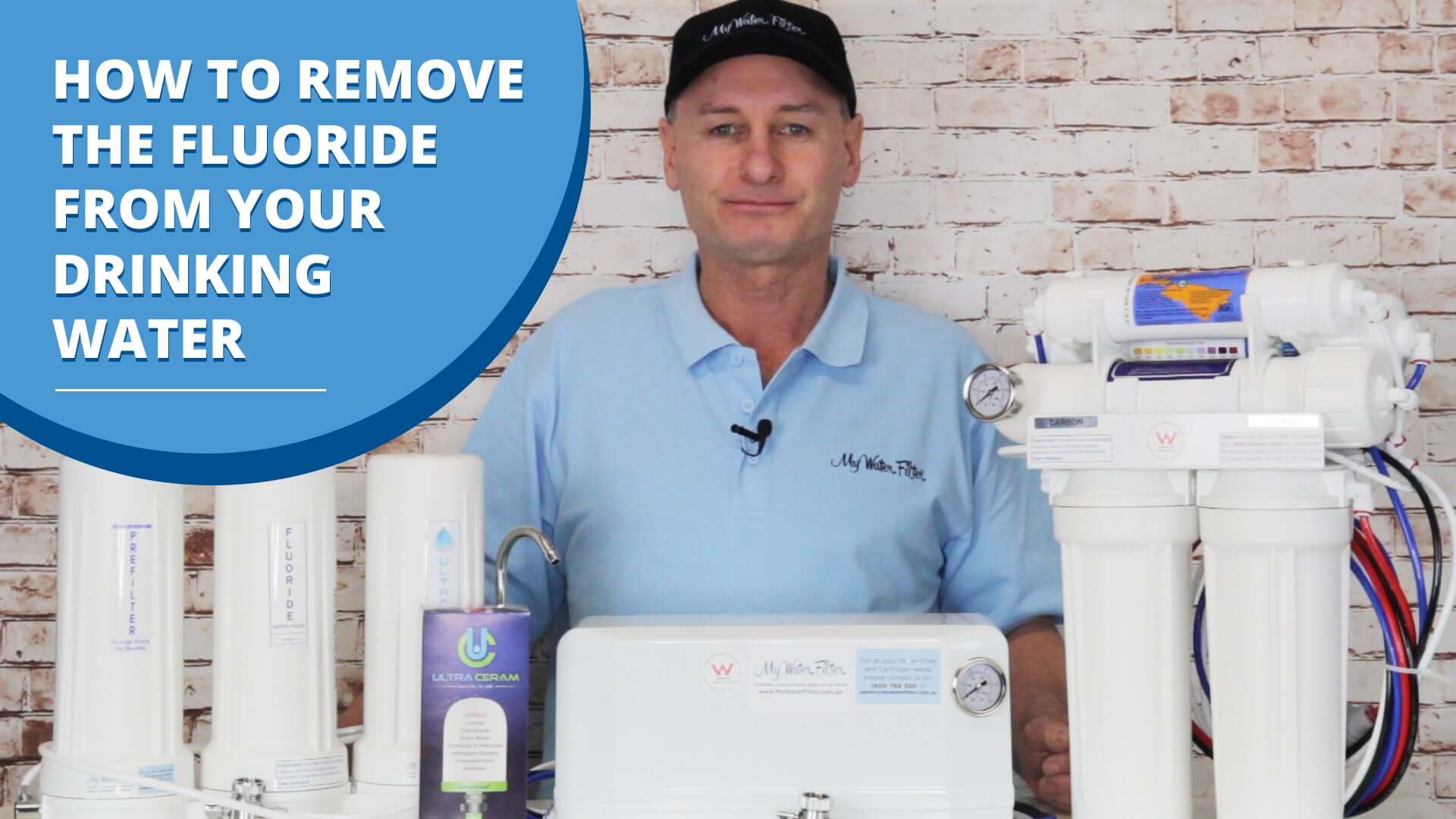 How to remove Fluoride from your Drinking Water | Blog
Tip 2: Don’t fall for the “alkaline” gimmick alone. Many alkaline water pitchers don’t remove fluoride; they just adjust pH. Read the fine print. If it says “carbon filter only,” fluoride is still in the picture. Look for terms like “reverse osmosis,” “distillation,” or “fluoride reduction certified.” Your health is worth the extra 30 seconds of research.
Tip 3: Go countertop or under-sink. Countertop RO units are now portable and require no drilling—perfect for renters. Under-sink systems look cleaner and free up counter space. Both are valid, but if you move a lot, a countertop model is your nomad’s best friend.
Tip 4: Change filters on time. Sounds obvious, but a clogged filter is worse than no filter—it can become a breeding ground for bacteria. Set a calendar reminder every 6 to 12 months. Your water (and your dentist) will thank you.
What About the Environment?
Bottled water is a hydrating scam that creates plastic mountains. Investing in a home filtration system for fluoride is a long-term sustainability win. A single RO system can replace hundreds of plastic bottles per year. Plus, modern systems have reduced water waste to as low as 1:1 in some models. That’s a planetary high-five.
One more fun fact: the human body stores fluoride in bones and teeth, but the pineal gland—that tiny pea-sized gland in your brain—also accumulates it. Some researchers joke it’s your “third eye” calcifying. Whether you buy into that or not, choosing to remove fluoride is like deciding to customize your environment, one filtered glass at a time.
Reflection: The act of filtering your water is a quiet ritual of sovereignty. In a world where so much is out of our control—news cycles, weather, algorithms—what flows into your glass becomes a small, daily yes to intentionality. It’s not about fear; it’s about preference. Like choosing avocado oil over canola, or linen over polyester, you’re curating the most fundamental element of life. So pour yourself a glass, taste the difference, and remember: the best water is the one that feels like yours.
