Residential Reverse Osmosis Drinking Water System

Let’s be honest: we’ve all stood in the kitchen, glass in hand, staring at the tap like it’s a mystery box. Will tonight’s water be crisp and clear, or will it taste like yest...

Let’s be honest: we’ve all stood in the kitchen, glass in hand, staring at the tap like it’s a mystery box. Will tonight’s water be crisp and clear, or will it taste like yesterday’s lawn clippings and a faint hint of metal? That’s the gamble we take every single day.
You might think, “It’s just water, what’s the big deal?” But if you’ve ever smelled a bleachy whiff from a city tap or spotted a weird white crust on your kettle, you already know the answer. Your water is carrying more than just H2O—it’s hauling chlorine, lead, and who knows what else from the pipes.
That’s where a residential reverse osmosis system swoops in like a tiny superhero under your sink. Think of it as a bouncer for your water, only letting the good molecules into your glass and tossing out the riffraff.
Must Read
What is reverse osmosis, anyway?
Imagine you’re making a very fancy soup, but you accidentally dumped in too much salt. You can’t just scoop it out, right? A reverse osmosis (RO) system is like a magical strainer that pushes water through a super-fine membrane, leaving contaminants behind.
It’s not magic, though—it’s just science being useful. The membrane has holes so tiny that even microscopic nasties like bacteria, fluoride, and lead can’t squeeze through. Only pure water makes the cut.
You know that feeling when you pull a freshly washed shirt from the dryer? That’s how your water feels after RO—clean, soft, and ready to be used without any weird baggage.
The little annoyances RO fixes
Ever made a pot of coffee or tea and noticed a strange film floating on top? That’s not a shadow—it’s total dissolved solids, aka minerals and junk that don’t belong in your morning brew. RO zaps that film away, so your coffee tastes like coffee, not like a chemistry experiment.
And let’s talk about ice cubes. You know those cloudy, smelly cubes that make your soda taste like fish? An RO system gives you crystal-clear, odor-free ice. Your evening soda will feel like it’s from a fancy diner, not your sad kitchen.
Even your dishwasher will thank you. Hard water leaves spots on glasses and a chalky build-up on dishes. With RO water, your glasses come out so sparkly you might actually enjoy doing the dishes—okay, maybe not, but they’ll look great.
Why should you actually care?
Look, bottled water is fine, but do you really want to lug a heavy case from the grocery store every week? Plus, those plastic bottles are a guilt trip for the planet. An RO system gives you that same crisp taste, right from your tap, without the carbon footprint.
It’s also a money saver in the long run. A pack of fancy spring water adds up faster than you think, while an RO system just sits there, silently delivering perfect water for pennies a day. Your wallet will breathe a sigh of relief.
And here’s the real kicker: peace of mind. You don’t have to wonder if that metallic aftertaste is just your imagination, or if your toddler’s sippy cup is full of trace arsenic. You just know the water is clean.
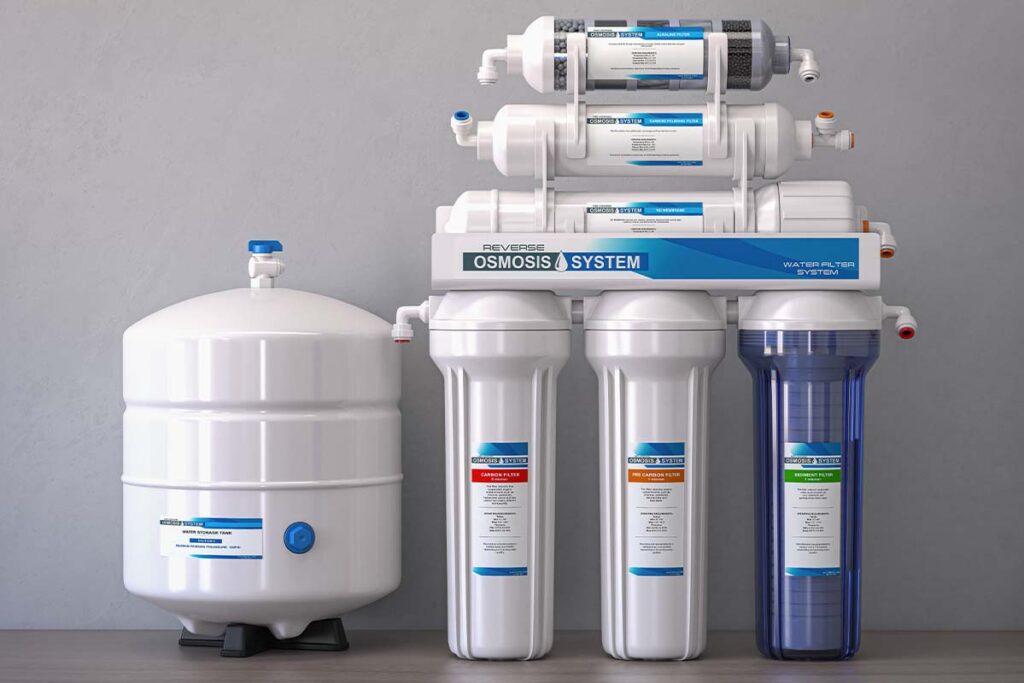 Reverse Osmosis Drinking Water Systems in Colorado - Colorado Water
A quick story to make it real
My neighbor, Gary, used to complain that his pasta water turned the noodles gray. Gray noodles, folks. He blamed his pots, he blamed the stove, but one day he finally tested his tap water. Turns out, it had enough iron to forge a tiny sword.
He installed an RO system last month. Now his pasta is golden, his iced tea is clear, and he swears his morning oatmeal tastes “like a hug from a cloud.” Gary is not a poet, but you get the point.
The best part? He didn’t have to call a plumber or mess with complicated pipes. Most systems just hook up under the sink with a little dedicated faucet that gleams like a chrome trophy. It’s almost embarrassingly simple.
But wait—doesn’t RO waste water?
Old systems did, sure. They’d flush a few gallons down the drain for every good one they made. But newer models are way more efficient. Some even recycle the waste water for your plants or your toilet tank. Your garden won’t mind a little extra mineral water.
Sure, you might need to replace a filter every six months or so. It’s about as hard as changing a lightbulb, and it costs less than a Costco run. That tiny filter is doing the heavy lifting so your taste buds don’t have to.
And no, you don’t need to be a chemistry nerd to maintain it. The system basically runs itself, quietly humming along while you binge your favorite show. It’s the most low-maintenance upgrade your kitchen will ever see.
A final nudge
If you’ve ever taken a sip of hotel water and thought, “Wow, this is weirdly perfect,” that was probably RO water. Hotels use it because it’s consistent, clean, and makes guests happy. Why shouldn’t your home be that five-star for you?
It’s not about being fancy—it’s about treating yourself to something you use dozens of times a day. You deserve a glass of water that tastes refreshing, not like a swimming pool or an old pipe.
So next time you fill up your glass, think about it. A residential RO system isn’t just a gadget; it’s a little bit of luxury that makes your everyday life easier, tastier, and a whole lot more pleasant. Your taste buds—and your kettle—will thank you.
