Difference Between Tonic Water And Sparkling Water

So, picture this: it’s a sweltering summer afternoon, and I’m at a friend’s barbecue. I grab a glass, fill it with ice, and pour what I think is sparkling water from a fancy g...

So, picture this: it’s a sweltering summer afternoon, and I’m at a friend’s barbecue. I grab a glass, fill it with ice, and pour what I think is sparkling water from a fancy green bottle.
I take a huge, confident gulp—only to be blindsided by a bitter, botanical slap in the face. It was tonic water, and my lemonade was ruined forever.
That moment of panic is exactly why we need to talk about this. Because let’s be honest, they both fizz, they both look the same, and they’re neighbors in the grocery store aisle.
Must Read
But swapping one for the other is like putting diesel in a sports car—technically liquid, but a bad, bad idea.
What is Sparkling Water, Anyway?
Sparkling water is the pure, innocent cousin of the fizzy family. It’s literally just water that’s been carbonated—meaning carbon dioxide gas is dissolved under pressure.
That’s it. No sugar, no weird flavors, no hidden agenda. It’s clean, crisp, and exists to be a refreshing blank slate.
Think of it as the white T‑shirt of drinks: dependable, versatile, and it goes with everything without stealing the show.
But Wait, There’s a Catch (Yes, There’s Always a Catch)
You’ll see “club soda” and “seltzer” and “mineral water” hanging out in the same aisle. Don’t let them confuse you—they’re just cousins.
Club soda has tiny amounts of minerals (like sodium bicarbonate) added for a slightly saltier taste. Mineral water (like Perrier) has natural minerals from the source.
But here’s the key: none of them contain quinine or sugar. That distinction belongs entirely to our bitter friend.
Now, Meet Tonic Water—The Bitter Show-Off
Tonic water is sparkling water’s dramatic, theatrical sibling who never learned to be subtle. It starts with carbonated water, sure.
But then it adds quinine—a bitter compound from the cinchona tree bark. Historically, this was medicine to fight malaria (no, seriously).
And because that bitterness is a weapon, tonic water also gets a heavy dose of sugar or high‑fructose corn syrup. A typical tonic has about as much sugar as a soda.
The Flavor Difference Is… Oof.
Sparkling water tastes like nothing in the best way—maybe a tiny mineral note. It’s the equivalent of taking a deep breath.
Tonic water, however, tastes like a bitter lemon’s angry cousin mixed with cough syrup’s distant relative. That quinine is unforgiving.
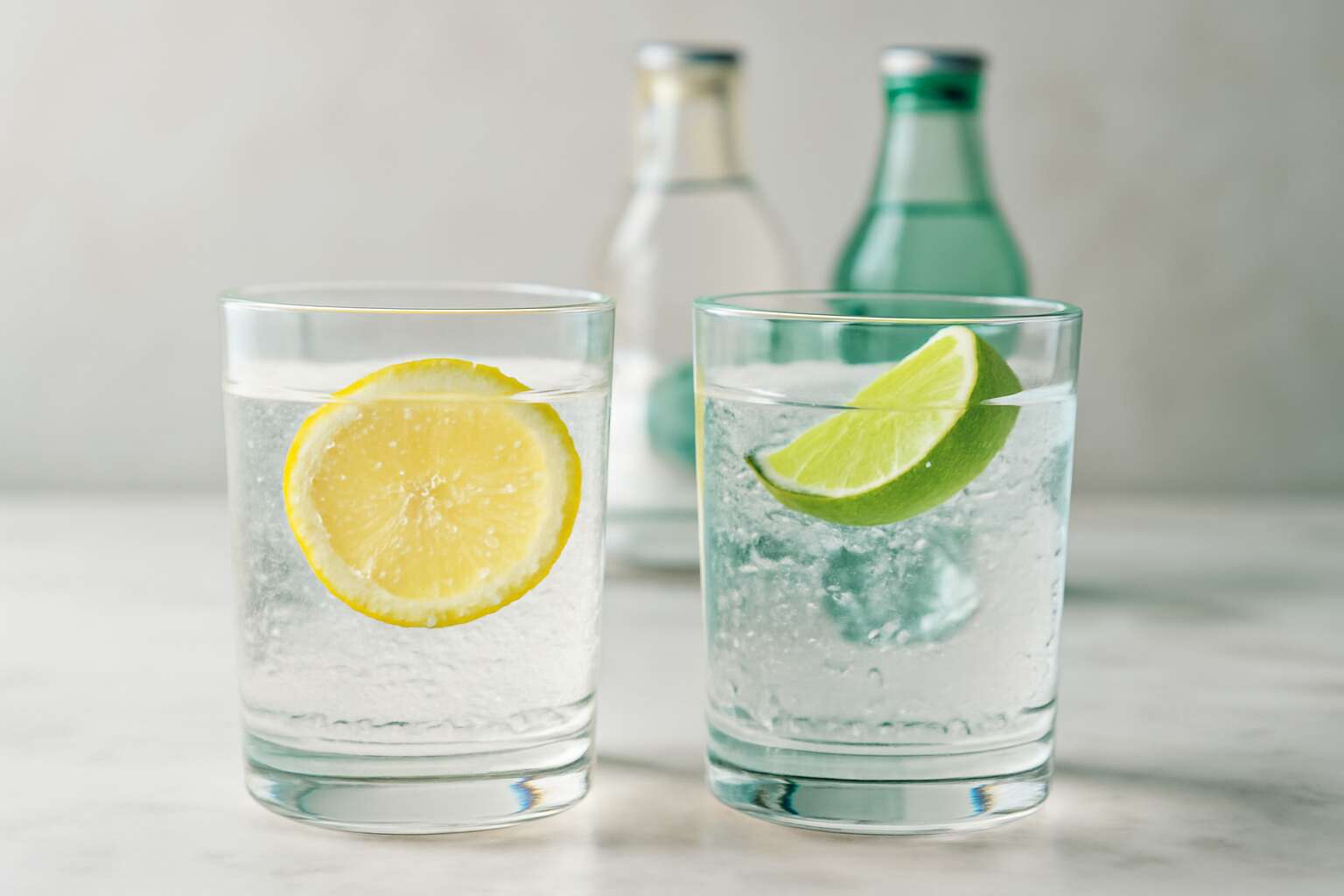 sparkling water vs tonic water: which is the better mixer for your
If you’re sipping it straight, you’ll probably make a face like you just bit into a lemon rind. That’s by design—it’s a mixer, not a thirst quencher.
The Health Angle (Because We All Pretend to Care)
Sparkling water is basically zero calories, zero sugar, zero guilt. It hydrates just as well as still water—no matter what your uncle claims.
Tonic water? A 12‑ounce bottle can pack around 30 grams of sugar. That’s the same as a Coke, but hiding behind a sophisticated name.
“But it has quinine—it’s natural!” I hear you say. Sure, and so is arsenic. The sugar load cancels out any heroic “medicinal” vibes.
When to Use Each (So You Don’t Repeat My Tragedy)
Reach for sparkling water when you want a crisp, refreshing drink—plain, with a splash of juice, or alongside a meal. It’s your day‑to‑day hero.
Reach for tonic water only when you’re making a cocktail like a Gin & Tonic (the classic pairing) or a Vodka Tonic. It’s a supporting actor, never the star.
Pour tonic water into a fruit punch, and you’ll get a weirdly bitter mess. Pour sparkling water into a G&T, and you’ll get sad, flat gin water.
The Ultimate Cheat Sheet (Because You’ll Forget Later)
Sparkling water: fizzy, clean, neutral, zero sugar. Use for hydration, mocktails, or when you want to feel fancy without the sugar crash.
Tonic water: fizzy, bitter, sweet, high sugar. Use only with spirits to balance the bitterness, and never as a stand‑alone thirst quencher.
Remember: if it tastes like a gentle hug, it’s sparkling. If it tastes like a British butler who disapproves of your life choices, it’s tonic.
One Last Tip (From Someone Who Learned the Hard Way)
Always check the label before you pour into a kid’s cup or a plain water bottle. Also, keep them in separate marked bottles in the fridge.
Because that “refreshing” swig you take after mowing the lawn? It should taste like cool relief, not a botanical revenge plot.
So go forth, hydrate wisely, and let your taste buds know which fizzy friend they’re dealing with. Your lemonade—and your dignity—will thank you.
