How Long Can You Store Water In A Plastic Container

You know that moment. You’re prepping for a camping trip, or maybe a hurricane warning pops up, and suddenly you’re staring at a stack of empty milk jugs. You think, “I should...
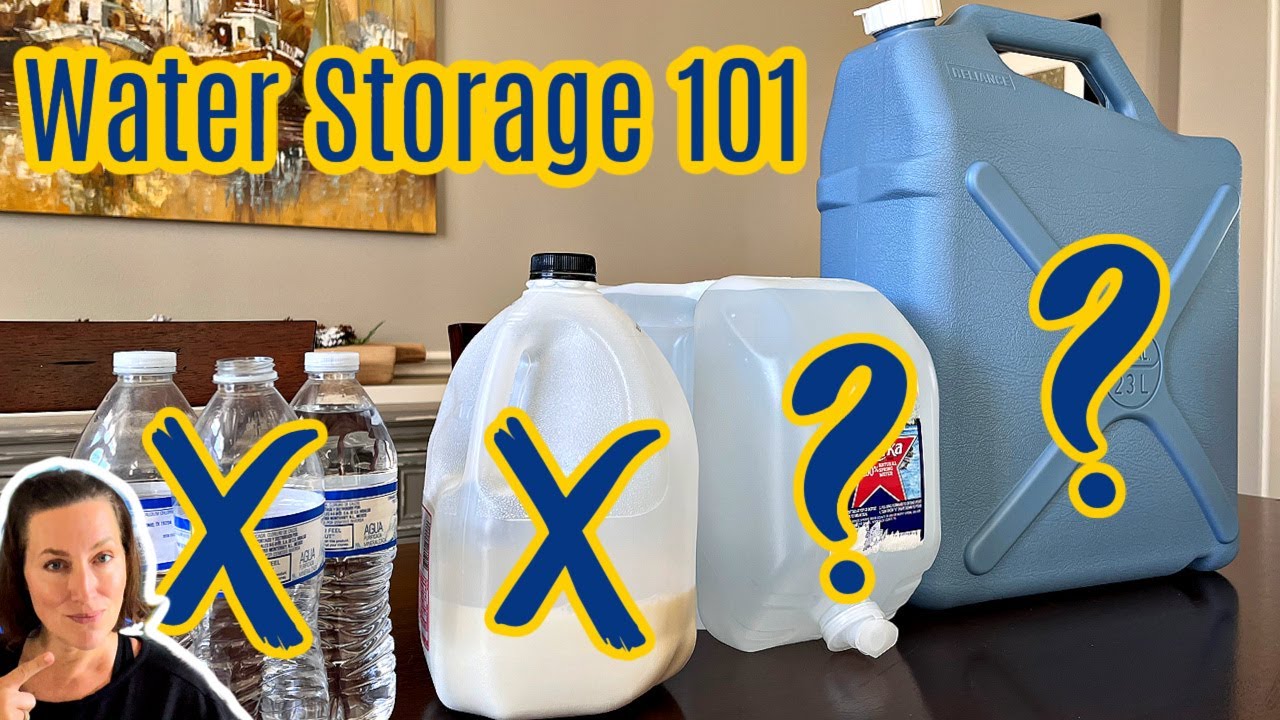
You know that moment. You’re prepping for a camping trip, or maybe a hurricane warning pops up, and suddenly you’re staring at a stack of empty milk jugs. You think, “I should fill these with water, just in case.” But then a little voice whispers: “Won’t this water turn into something nasty by the time I crack it open?” Let’s talk about it, in plain English, without the panic.
The short, honest answer is: It depends on the container, but the general rule for safe, tasty water is about six months to two years. That’s a huge range, I know. Think of it like the “best by” date on a bag of chips—it won’t kill you after, but it might lose its crunch. Water is the same: it won’t go “bad” like milk, but it can get weird.
The Three Amigos of Water Storage
First, there’s the container itself. Never use a container that held something stinky, like bleach or old spaghetti sauce. Water is a drama queen; it absorbs flavors like a sponge at a barbecue. Your emergency stash will taste like a forgotten gym sock if you use a juice jug that wasn't scrubbed.
Must Read
Second, there’s light. Sunlight is the enemy of stored water. It’s like putting your water in a tanning bed—it encourages algae and bacteria to throw a pool party in your jug. Store your plastic containers in a dark, cool closet, not on a sunny windowsill where you’d put a houseplant.
Third, there’s temperature. Imagine leaving a bottle of water in your car during a heatwave. It gets that weird, hot plastic taste, right? That’s because heat leaches chemicals from the plastic. A cool basement (around 50-70°F) is your best friend here.
What’s the Timeline, Really?
For food-grade plastic (look for a #1, #2, #4, or #5 recycling symbol on the bottom), you’re good for about six months to a year if stored properly. Beyond that, the water is still safe to drink, but it might taste flat or vaguely like plastic. Think of it like old soda that’s lost its fizz—it won’t hurt you, but it’s not refreshing.
If you use those thick, heavy-duty 5-gallon camping jugs (often HDPE plastic), you can push that to two years. These are the Arnold Schwarzeneggers of water storage—they’re built tough and resist leaching better than a flimsy milk jug. Just make sure you cleaned them before filling.
What about a regular single-use plastic water bottle you bought at the gas station? Those are meant for quick consumption. After about three to six months in a warm car, the plastic starts breaking down. I once found a bottle from an old road trip under my seat—it tasted like a melted beach toy. Don’t rely on those for emergencies.
The “Ew” Factor: What Actually Happens?
Let’s be real: the biggest threat isn’t turning into poison—it’s bacteria and algae. If you didn’t sanitize the container or if you touched the rim with dirty hands, tiny freeloaders will move in. You won’t see them immediately, but after a few months, the water might smell like a damp basement.
Another gross thing: plastic can leach small amounts of chemicals like BPA (if it’s an older container). This is a slow process, like your favorite couch slowly sagging over decades. For a short-term emergency stash (6 months), it’s negligible. For longer storage, go for BPA-free plastic or switch to glass or stainless steel if you’re paranoid.
 How to Store Water Long Term: 12 Steps (with Pictures) - wikiHow
You might also notice white floaty bits or a slimy film. That’s usually harmless minerals or biofilm—basically, water’s version of dust bunnies. You can filter it through a clean cloth, but honestly, just dump it and refill. No one needs to drink “old sock juice” during a power outage.
Pro Tips So You Don’t Drink Sad Water
Rotate your stash. Treat your water like a seasonal wardrobe. Every six months, pour it on your garden or use it to wash your car, then refill with fresh tap water. This keeps it from feeling like a forgotten Tupperware at the back of the fridge.
Add a tiny drop of bleach. Seriously, if you want to store water for over a year, add 2-4 drops of unscented chlorine bleach per gallon (from a clean dropper). It’s like giving your water a tiny life preserver—it kills any bacteria that try to join the party. Let it sit for 30 minutes before sealing.
Label your containers. Use a permanent marker to write the date. I once found a jug from 2019 in my garage, and it looked like a science experiment. Trust me: you will not remember when you filled that jug. Future-you will thank present-you for the note.
The Final Sip
If you’re storing water for a real emergency (like a hurricane or earthquake), it’s smarter to buy commercially sealed water bottles—those last for years because they’re factory-sanitized. But if you’re a “I’ll just use this old juice jug” kind of person, just know: you have a solid six-month window before it starts tasting like regret.
I once stored water in a plastic container for a year and then used it to make coffee. The coffee was fine. The water? It had a faint whisper of “basement shelf.” But I’m still here, writing this article. So, take a deep breath, fill your containers, and don’t overthink it. Water wants to help you, not hurt you.
Just don’t drink the one from under your sink that’s been there since 2017. That’s not survival—that’s a science project.
