How Long To Boil Water To Kill Bacteria And Viruses

You’re standing at the stove, watching a pot of water, and wondering: is this really doing anything? We’ve all been there. The question of how long to boil water to kill bacte...

You’re standing at the stove, watching a pot of water, and wondering: is this really doing anything? We’ve all been there. The question of how long to boil water to kill bacteria and viruses is surprisingly simple, yet it feels like a secret code only wilderness experts know. The good news? You don’t need a lab coat. You just need a timer and a little patience.
The Magic Number: One Minute at a Rolling Boil
The official word from the World Health Organization and the CDC is this: bring water to a rolling boil—that vigorous, bubbly dance—and let it go for one minute. That’s it. At sea level, 60 seconds of roiling heat is enough to knock out the nastiest bacteria, viruses, and protozoa, from E. coli to Giardia.
Think of it as a hot-tub party for pathogens. They can’t handle the heat. At 212°F (100°C), their proteins unravel, their membranes break, and they die. One minute is the golden ticket. But if you’re camping at 6,500 feet or higher, bump that time to three minutes, because water boils at a slightly lower temperature up there.
Must Read
Fun fact: In many parts of the world, this one-minute rule is taught as a life skill, right up there with tying shoelaces. It’s that fundamental.
What About Superbugs and Tough Spores?
Here’s where the science gets a little spicy. Most viruses, like norovirus or hepatitis A, are toast after one minute. But some bacterial spores, like Clostridium botulinum (the cause of botulism), can survive short boiling. Don’t panic—they’re rare in municipal water. If you’re treating cloudy or questionable stream water, boiling for three to five minutes is a common backcountry insurance policy.
For day-to-day tap water, one minute is bulletproof. The CDC even says that boiling five minutes at high altitudes covers all bases. Just remember: boiling doesn’t remove chemicals or heavy metals, so if you’re worried about lead or pesticides, this isn’t your fix. For microbes, though, it’s a done deal.
Cultural Detour: The World Boils Differently
In Japan, people often boil water for ocha (tea) without a second thought—it’s just routine. In Mexico, street vendors boil water for aguas frescas on the sidewalk, and tourists watch in awe. Meanwhile, in the U.S., we’ve convinced ourselves that bottled water is safer, even though a kettle and a stovetop do the same job for pennies.
Fun fact: The ancient Greeks boiled water for wounds and drinking. Hippocrates himself was a fan of the “strain and boil” method. So you’re in good historical company, even if your pot is stainless steel.
Practical Tips for the Modern Boil
Tip one: Don’t waste energy boiling more than you need. A kettle is faster than a pot, and a lid speeds things up by trapping heat. Tip two: Let the water cool naturally. Pouring boiling water into a glass jar can crack it—ask me how I know. Tip three: If you’re boiling for taste, let it sit for a minute after boiling to release dissolved oxygen. That flat taste? It’s real, and it’s from over-boiling.
For an easy upgrade, add a slice of lemon or a pinch of salt once it’s cool—it masks the “cooked” flavor. Or just make tea. Tea solves everything.
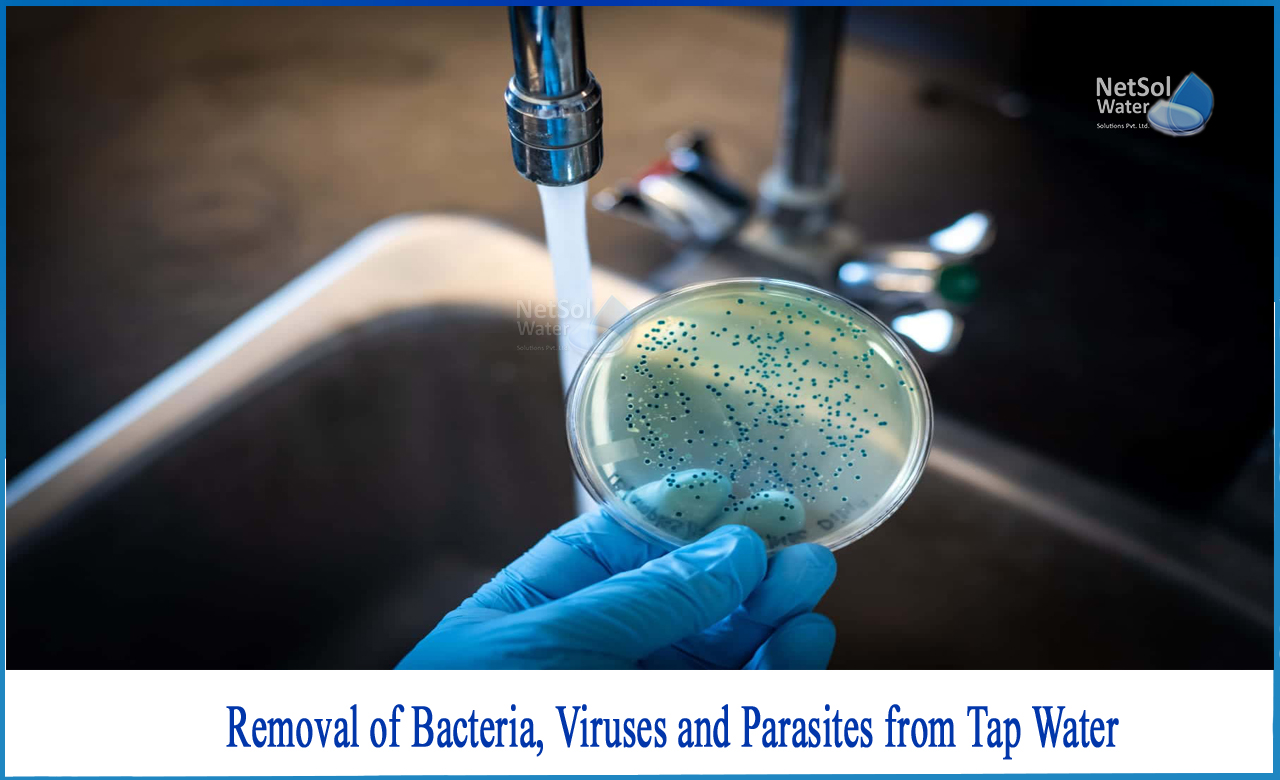 Does Boiling Water Remove Viruses at Bella Ralph blog
The Lazy Person’s Guide to Emergency Boiling
Let’s be real: in a power outage, boiling might not be possible. That’s when water purification tablets or a UV purifier step in. But boiling is the old reliable. You can do it on a camp stove, a fireplace, or even a solar cooker. No batteries, no chemicals, no internet required.
If you’re in a hurry, remember the rolling boil test: once the bubbles are big and fast, start your timer. Don’t count from when the first bubble appears—wait for the full party. That’s your active kill zone.
And please, do not rely on the “if it’s hot to the touch” method. That’s how people get sick. Boil it or bust.
Fun Facts to Impress Your Friends
Did you know that water at 160°F (71°C) kills most viruses, but it takes 30 minutes? That’s why a rolling boil is so efficient—it raises the temperature quickly and holds it. Also, the World Health Organization states that boiling is the “most certain” way to make water safe, beating filters and tablets in effectiveness.
Another tidbit: In the 1800s, London’s cholera outbreaks were stopped when Dr. John Snow (yes, like the Game of Thrones character) proved that boiling water on a large scale was the key. He was a hero, and he probably never even owned a kettle.
Final Reflection: The Simple Ritual
There’s something grounding about boiling water. It’s an act as old as fire itself—a quiet, powerful moment where you take control of your environment. You’re not just killing germs; you’re participating in a universal ritual of safety and survival.
So, how long to boil water? One minute at a rolling boil. It’s that easy. Next time you’re waiting for the kettle, think of the ancient Greeks, the modern hiker, and the millions of people who do this daily. You’re part of a very long, very healthy lineage. Now go make a cup of tea—you’ve earned it.
