Water Filtration Systems For Food Processing Market

Last Tuesday, I choked on a single, sad-looking raisin. Not because it was dry, but because I found a tiny, gritty piece of sand in it. My brain immediately flashed to a docum...
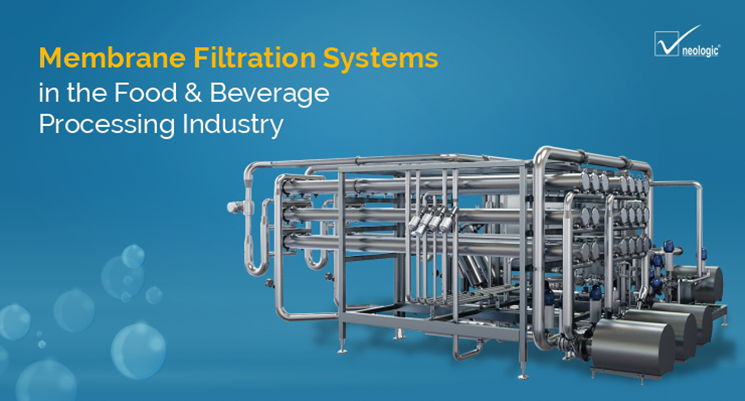
Last Tuesday, I choked on a single, sad-looking raisin. Not because it was dry, but because I found a tiny, gritty piece of sand in it. My brain immediately flashed to a documentary about food processing plants, and I thought: Imagine finding sand in your ketchup. Suddenly, my kitchen problem felt very, very small. That gritty raisin? It was a perfect, gross metaphor for why the water filtration systems for food processing market is actually kind of a big deal.
You see, water isn’t just for cleaning floors in a food factory. It’s a literal ingredient in your soda, your soup, and that pre-made salad dressing. If that water is dirty—even just a little bit—your snack tastes like the bottom of a fish tank. Nobody wants a “mineral-forward” experience with their frozen pizza. This is where the filtration nerds come in, and trust me, they’re heroes in lab coats.
The gross truth about “clean” water
Factories don’t just turn on a tap and hope for the best. Unfiltered water carries bacteria, chlorine, and sediment that can ruin a batch of product. It can turn a perfectly good batch of beer into a fizzy nightmare. Pro tip: Never drink beer made with swamp water. The market for water filtration systems exists because one bad batch can cost a company millions and destroy a brand’s reputation.
Must Read
Regulations are the silent, scary boss in this story. Governments like the FDA and EU watch food processors like hawks, demanding zero tolerance for contaminants. If a plant skimps on filtration, they get shut down faster than you can say “E. coli.” So, this market isn’t optional—it’s a survival tool.
The secret menu of filtration tech
You think your Brita filter is cool? Food factories use monsters that make reverse osmosis look like child’s play. We’re talking massive UV sterilization systems and carbon filters that can strip out heavy metals and weird chemicals. Side note: If you ever see a “UV light” in a food plant, don’t try to tan under it. Just don’t. These systems are so precise they can remove particles down to the micron level—that’s smaller than a bacteria’s ego.
But here’s the ironic twist: the industry is shifting from “just clean enough” to “hyper-specific.” A tomato sauce factory needs different water than a dairy plant. Dairy needs water free of bacteria that could sour milk. A brewery needs water with a specific mineral profile to make the hops sing. It’s like a bespoke suit, but for water. And the market is booming because everyone wants a custom fit.
Why this market is growing faster than your sourdough starter
First, global water scarcity is a real party pooper. Factories are reusing water more and more, which means they need heavy-duty filtration to clean it up. Second, the “clean label” trend is making consumers paranoid. People want to see “filtered water” on the ingredients list, not “municipal supply” (yuck). Fun fact: Some companies now filter water just to brag about it on the bottle. Marketing, baby.
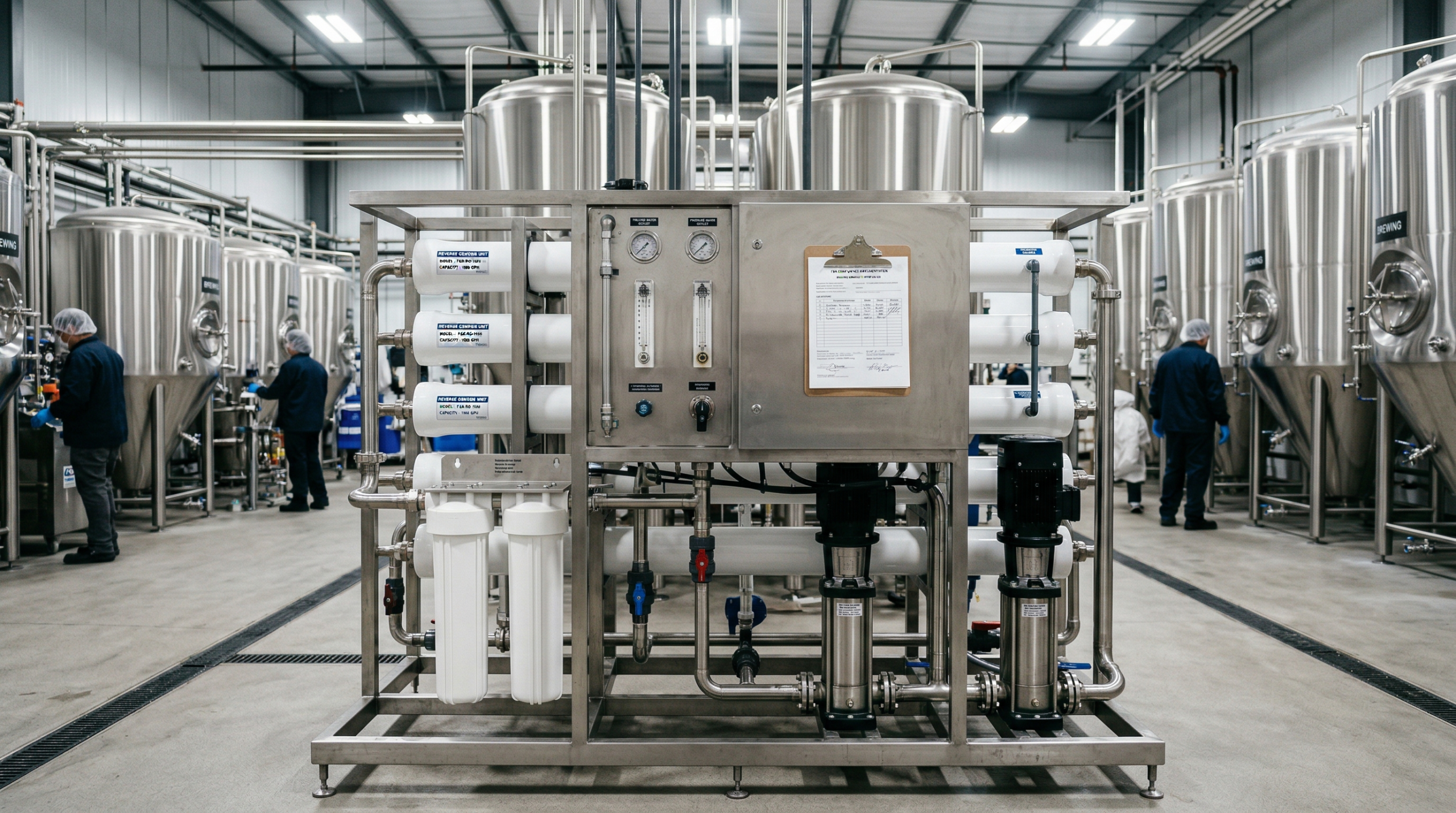 Water Treatment For Food And Beverage Manufacturing: RO
The COVID era also kicked things into high gear. Suddenly, everyone was obsessed with sanitation. Food processors upgraded their filtration systems to kill viruses and bacteria. It was a weird silver lining: a pandemic made the water taste better. Now, the market is valued in the billions, and it’s climbing. Asia-Pacific is the wild west right now, with factories popping up faster than you can order dumplings.
The “ick” factor you can’t ignore
Let’s be real—water filtration isn’t sexy. It doesn’t have a cool logo or a celebrity endorser. But it’s the difference between a crisp, refreshing apple juice and a glass of “what the hell is that smell?” Seriously, go grab a glass of tap water right now. Smell it. If it smells like a swimming pool, thank a filtration system. The market is driven by fear of lawsuits and the deep, primal need to not get food poisoning.
Ultrafiltration (UF) is the current rockstar of the market. It uses membranes that act like microscopic sieves, catching viruses and proteins. It’s expensive, but cheaper than a recall. Imagine telling your boss, “We lost $10 million because of a dirty pipe.” Yeah, that sells systems. The biggest players—like Pall, Dow, and Veolia—are fighting for contracts like it’s a gladiator arena, but with pH meters instead of swords.
A final, ironic thought
So, that gritty raisin ruined my afternoon, but it also reminded me of something important. The next time you enjoy a perfectly crisp soda or a creamy yogurt, remember: some engineer in a factory is obsessing over water that you’ll never see. They’re filtering out the tiny bits of “sand” so you don’t have to. Water filtration is the invisible hero of the food industry. And honestly? It deserves a toast. Just make sure your toast is made with filtered water.
