Is Reverse Osmosis Water The Same As Filtered Water

So, my neighbor Karen—bless her heart—proudly showed me her new kitchen gadget last week. It was a sleek, chrome reverse osmosis system, and she called it her “super-filter.”...
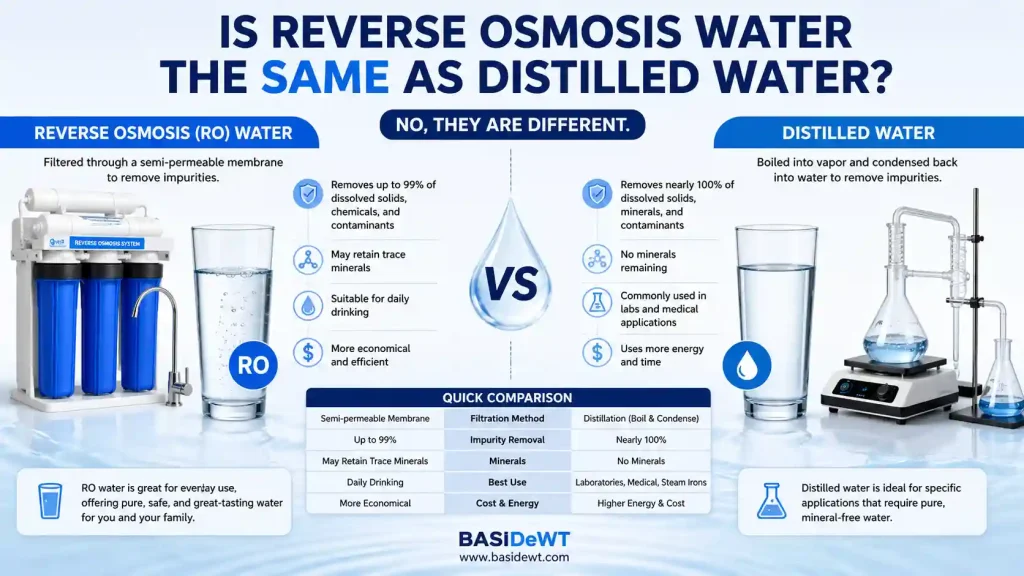
So, my neighbor Karen—bless her heart—proudly showed me her new kitchen gadget last week. It was a sleek, chrome reverse osmosis system, and she called it her “super-filter.” She offered me a glass, chirping, “It’s just like filtered water, but better.” I took a sip, nodded politely, and immediately started wondering: Is she right, or is she just drinking expensive nothing?
Let’s get one thing straight: reverse osmosis water is not the same as filtered water. I know, I know—Karen might cry when she reads this. But the truth is, they’re distant cousins, not siblings.
What’s really happening inside those gadgets?
Think of a standard filter—like a Brita or a fridge filter—as a sieve. It catches big, chunky stuff like sediment, chlorine, and some heavy metals. It’s the bouncer at a club who only stops the obvious troublemakers.
Must Read
Reverse osmosis (RO), however, is the secret service of water purification. It doesn’t just see the problem; it forces water through a semi-permeable membrane with holes so tiny, only pure H₂O molecules can squeeze through. Everything else—minerals, fluoride, pesticides, even some bacteria—gets left behind.
So, while filtered water is “cleaned up,” RO water is practically reborn. It’s like comparing a quick shower to a full-on purification ritual in a mountain spring. Dramatic? Maybe. Accurate? Absolutely.
But is “more pure” actually better for you?
Here’s where it gets ironic. RO water is so stripped of stuff that it removes good minerals too—calcium, magnesium, potassium. You know, the things your body actually likes. Some people call RO water “dead water” because it’s so empty.
Filtered water, on the other hand, often keeps those minerals intact. A good carbon filter will take out the bad (chlorine, lead) while leaving the good (hello, electrolytes). So if you’re drinking RO water long-term, you might need to re-mineralize it, or you’ll be flushing essential nutrients down the drain. Literally.
Oh, and did I mention the waste? RO systems are thirsty. For every gallon of purified water you get, they dump 2–4 gallons down the drain. Yikes. Your wallet and the planet might not be thrilled.
Let’s clear up the big myth
People assume “filtered” is a universal term—like “tissue” or “Q-tip.” But in the water world, “filtered” usually means carbon filtration. It’s great for taste and odor, and it’s cheap. RO? That’s membrane filtration on steroids. It’s a different beast entirely.
Here’s your takeaway: If your tap water is decent—no lead, no weird contaminants—a simple filtered water pitcher is perfect. It’s like wearing sunscreen; it does the job without overkill.
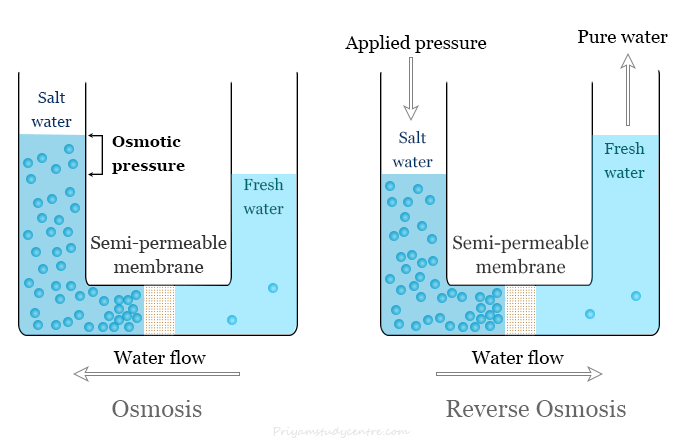 What Is Filtration Definition And Processes Water Filtration Process
If you live in an area with high nitrates, arsenic, or other nasty stuff (check your local water report—seriously, do it), then RO might be your hero. But don’t pretend you’re just “filtering” it. You’re performing a full-on water exorcism.
A side note for the overachievers
Some fancy systems combine RO with a final carbon filter to add back minerals. That’s like getting a salad with a side of fries—you get the best of both worlds. But plain RO? It’s the water equivalent of a boring glass of nothing. Literally nothing.
Let’s be real: Karen’s RO water tasted flat and a little sad. My filtered tap water from a $30 jug had more personality. And she spent $400 on her system. Ouch.
So, which one should you pick?
Ask yourself: Why are you purifying water in the first place? If it’s just for better-tasting coffee or to remove the hint of pool chlorine, stick with a solid carbon filter. You’ll save money, waste less water, and keep your minerals.
If you’re trying to filter out specific contaminants that a regular filter can’t touch (like dissolved salts, fluoride, or pharmaceuticals), then RO is your serious tool. But treat it like a power drill—don’t use it to hang a simple picture frame.
One more thing: Always check your water quality first. Some people buy RO systems when a $20 test strip would tell them their water is already fine. Don’t be that person. Don’t be Karen.
At the end of the day, it’s all water. But no, reverse osmosis water is not the same as filtered water. One is a gentle polish; the other is a deep cleanse. Use wisely, drink mindfully, and maybe don’t borrow a glass from Karen without a pinch of salt.
