Difference Between Distilled Water And Regular Water

Alright, let’s settle this once and for all: what’s the deal with distilled water versus regular tap water? I used to think they were basically the same—just, like, water in a...

Alright, let’s settle this once and for all: what’s the deal with distilled water versus regular tap water? I used to think they were basically the same—just, like, water in a different bottle. But nope, they’re as different as a fancy spa day and a backyard slip ‘n slide. Grab a glass (of whatever you have), and let’s dive in.
What Even Is Regular Water?
Regular water—the stuff from your tap, a spring, or a well—is basically nature’s cocktail. It’s got water, sure, but also a bunch of minerals like calcium, magnesium, and sometimes a pinch of iron or fluoride. Think of it as water with personality.
Your local water treatment plant gives it a little makeover to kill germs, but the minerals mostly hang out. That’s why hard water leaves those crusty white spots on your dishes—it’s just calcium showing off. And hey, that trace of fluoride? It’s the reason your dentist doesn’t yell at you as much.
Must Read
What’s the Big Deal About Distilled Water?
Distilled water is regular water’s super-clean, slightly boring cousin. It’s made by boiling water into steam, then cooling that steam back into liquid. That process leaves behind all the minerals, chemicals, and even some bacteria—like a spa treatment that scrubs every last bit of “stuff” away.
So what you get is basically pure H₂O. No calcium, no fluoride, no whatever was floating in your pipes. It’s water stripped down to its underwear, standing there like, “I’m just water, okay?”
Why Would You Want Distilled Water?
Distilled water is a hero for your gadgets. If you’ve ever used it in a steam iron, you know it’s a game-changer—no mineral gunk clogging up the holes. It’s also perfect for humidifiers, car batteries, and even baby formula (check with your doc first).
Some people drink it for a “purer” experience, but honestly, it tastes flat—like water that forgot its homework. It’s also great for mixing with teas or coffees where you don’t want any weird mineral flavors crashing the party.
And Regular Water? It’s the Life of the Party
Regular tap or spring water is the MVP for daily hydration. It has minerals your body actually likes—like magnesium for your muscles and calcium for your bones. Plus, it’s free (or cheap) and comes with that crisp, refreshing taste we all know and love.
Sure, it might have a faint hint of chlorine or a slight “earthiness” depending on where you live. But that’s just water having a bit of local flavor. It’s the water your body evolved with, so it’s basically your best buddy in a glass.
The Taste Test (Spoiler: It’s a Trap)
If you do a blind taste test, you’ll notice distilled water tastes empty. Like, your tongue is confused—where’s the mineral zing? Regular water has a little sparkle, a little texture. It’s like comparing a plain cracker to a nicely salted one.
I tried distilled water once and felt like I was drinking a ghost. No offense to ghosts, but I need my water to have a little backbone.
What About Health Stuff? Any Scare Stories?
Here’s the truth: drinking distilled water for a day or two won’t hurt you. But if you chug it exclusively for weeks, you might miss out on some minerals. Your body isn’t a picky plant, but it does appreciate that calcium and magnesium from regular water.
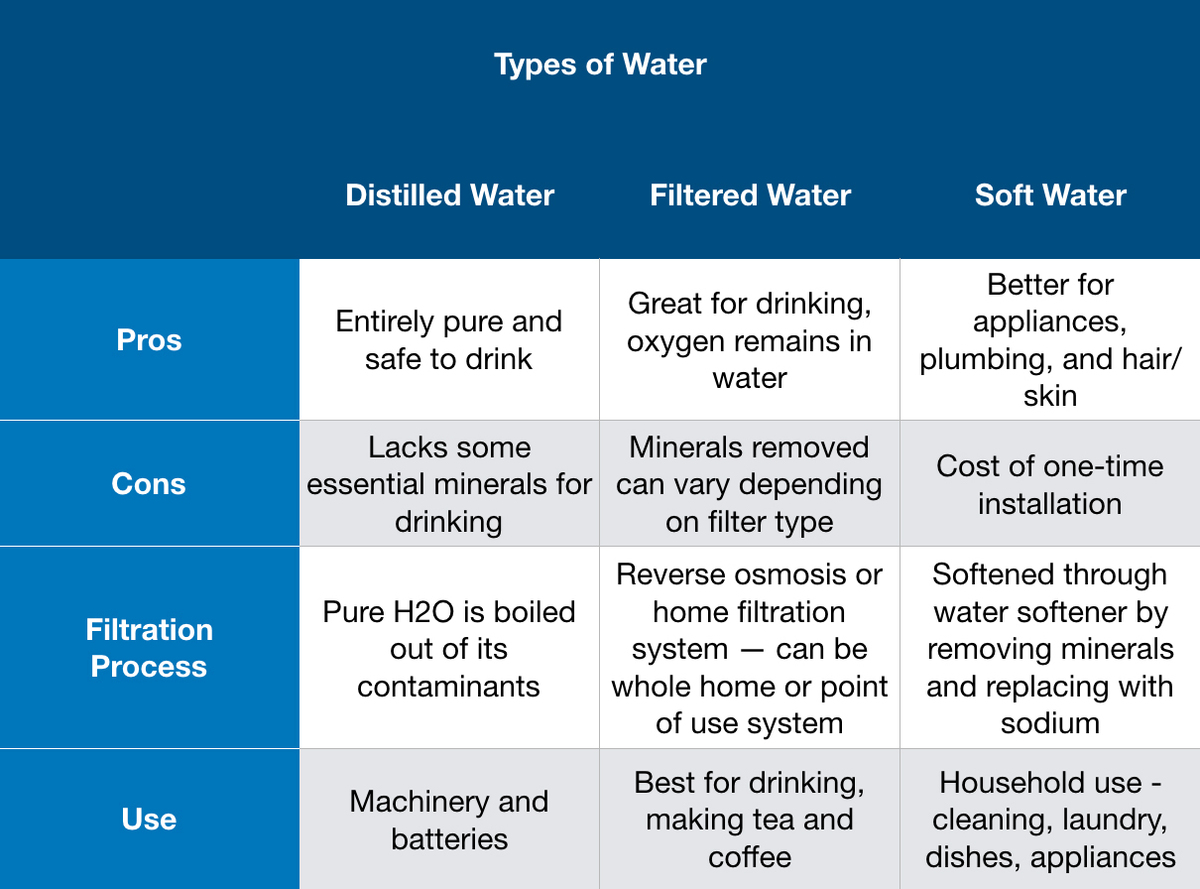 Purified Vs. Distilled Vs. Regular Water: What’S The Difference? – XOXUF
Some folks worry about “leaching” minerals from your body. Science says that’s mostly overblown—your body is smart and holds onto what it needs. But if you’re already low on electrolytes, stick with regular or mineral water. It’s like picking a balanced meal over a diet of plain rice cakes.
The Cost Comparison (Big Oof)
Regular tap water costs almost nothing—pennies per gallon. Distilled water? You’re paying for the energy to boil and condense it, so it’s about $1–$2 per gallon at the store. That’s like buying fancy water that’s less interesting.
If you distill it yourself at home, you’ll add a chunk to your electricity bill. So unless you’re running a lab or a very fancy iron, it’s probably not worth the splurge for everyday drinking.
Who Should Use Which?
Regular water is for your morning glass, your workout, your pasta, your sanity. It’s the water of life, literally. Distilled water is for your humidifier, your CPAP machine, your car battery, and that one friend who’s really into “pure” aesthetics (we see you, Karen).
If you have a medical condition like kidney issues or a weakened immune system, your doctor might recommend distilled for certain uses. But for the rest of us? Regular water is perfectly fine—and way tastier.
So, Should You Switch?
Unless you’re a scientist, a serious coffee snob, or your appliances are crying for help, stick with regular water. Distilled water is a specialty tool, not an everyday beverage. It’s like owning a chainsaw for cutting a slice of bread—it works, but why?
Also, let’s be honest: no one ever raised a toast with a glass of distilled water and said, “Ah, the good life.” Regular water has soul.
So there you have it—water’s not just water. It’s chemistry, it’s flavor, it’s your local plumbing’s history. Whether you’re sipping from the tap or boiling it down to nothing, remember: water is water, and it’s keeping you alive. That’s pretty darn amazing, even if it sometimes tastes like a ghost.
Now go hydrate—with whatever makes you smile. Cheers, you magnificent water-balloon of a human! 🥤
