How Do You Remove Hardened Salt From A Water Softener

You know that weird, crusty blob hiding in your water softener? That’s hardened salt, and it’s basically the grumpy rock of your plumbing system. It shows up when you least ex...
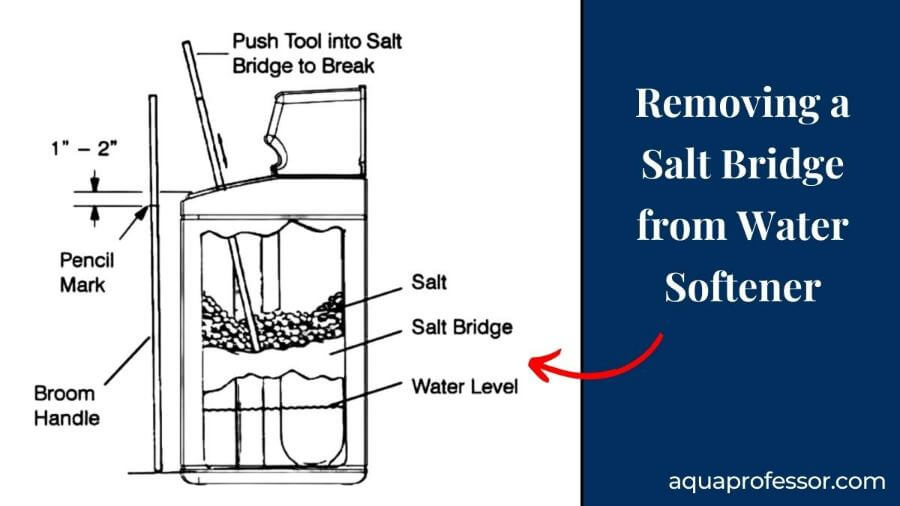
You know that weird, crusty blob hiding in your water softener? That’s hardened salt, and it’s basically the grumpy rock of your plumbing system. It shows up when you least expect it, like a dried-up glue stick that just won’t budge. Don’t panic, though; we’ve all been there, and fixing it is easier than untangling earbuds.
Why You Should Care About That Crusty Monster
Think of your water softener as a hardworking friend—it fights mineral buildup so your coffee tastes clean and your skin doesn’t feel like sandpaper. When salt hardens, it’s like your friend showing up with a broken broom. Ignoring it means your softener stops doing its job, and you’ll be back to scrubbing shower grime every weekend. Nobody wants that—especially on a lazy Saturday.
Plus, hardened salt can actually damage the internal parts of your machine. It’s like letting a rock sit in your dishwasher’s spinning arm. Fixing it now saves you from a bigger headache (and a bigger bill) later.
Must Read
Step 1: The Gentle Wake-Up Call (No Hammers Needed)
First, turn off your softener—safety first, like unplugging the toaster before poking at toast. Grab a rubber mallet or the back of a wooden spoon. Gently tap the salt bridge (that hard crust on top of the salt). It’s like knocking on a stubborn friend’s door; you want to annoy it, not break it.
If tapping doesn’t work, don’t go full Thor on it. Hard salt can shatter into sharp pieces, which is no fun for your fingers. A little patience goes a long way. If a few taps loosen it, sweep out the pieces with a gloved hand.
Step 2: The Hot Water Trick (Like a Spa for Salt)
For a thicker crust, use hot water—not boiling, just hot tap water. Pour it slowly over the hardened area, like you’re watering a very grumpy houseplant. Wait a few minutes; the heat will soften the salt, turning it into a mush you can scoop out.
I once did this while my cat watched me from the laundry basket. He looked confused, but it worked. Pro tip: Use an old ladle or a plastic scoop—metal can scratch the tank. And don’t pour too much water, or you’ll make a salty soup.
Step 3: The Long Game (When All Else Fails)
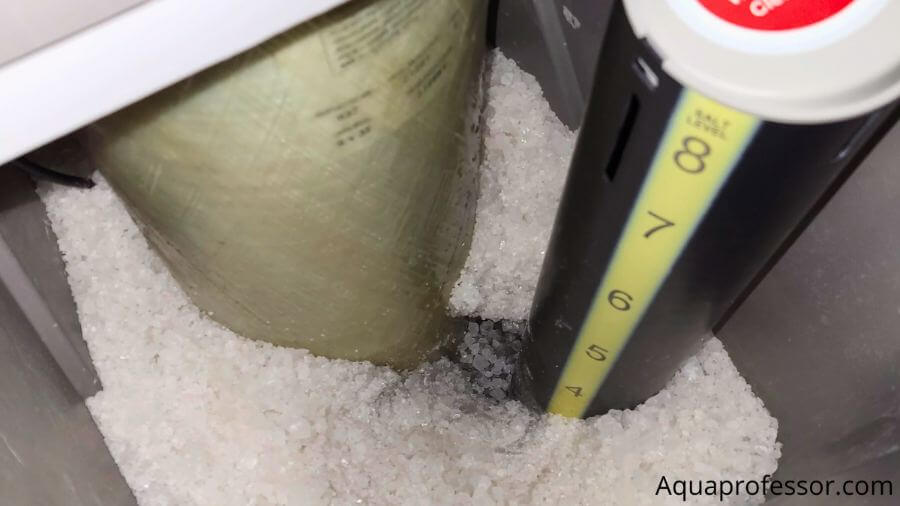
Sometimes the salt forms a concrete-like barrier. That’s when you need a wet/dry vacuum to suck out the mush. If you don’t have one, a turkey baster or a small cup works—just be ready for a messy scooping session. Think of it as beach day, but with less sand and more salt.
 How Do You Remove Hardened Salt From A Water Softener | Detroit Chinatown
Still stuck? Call a plumber. Seriously, no shame in it. A pro can break up the hardest crust without turning your laundry room into a salt factory. It’s cheaper than replacing the whole unit.
How to Prevent This Next Time (Your Future Self Will Thank You)
The best cure is prevention, like flossing but for your water softener. Use high-quality salt pellets—the cheap stuff clumps faster. Check the salt level monthly; if you see a crust forming, break it up early with a quick tap.
Also, don’t overfill the tank. Fill it to about halfway, not to the brim. A little space lets the salt move freely, just like having room in your suitcase for souvenirs. And change the salt brand occasionally—some are like different pancakes; some fluff up and some don’t.
A Laugh and a Lesson
I once had a salt bridge so hard that I considered using a hairdryer on it. My neighbor laughed and handed me a paint scraper. We fixed it in ten minutes, and now I check my softener every time I refill the salt. It’s a habit as simple as looking at your car’s fuel gauge.
So next time you see that crust, don’t sigh. See it as a tiny challenge—a little rock that stands between you and soft, silky water. Tap it, soak it, scoop it. Your showers will thank you, and so will your coffee machine.
