Energy-efficient Sparkling Water Units For Businesses

So there I was, at my favorite local coffee shop, watching the barista. She tapped a tablet, and a sparkling water dispenser whirred to life. It was loud, like a small, angry...

So there I was, at my favorite local coffee shop, watching the barista. She tapped a tablet, and a sparkling water dispenser whirred to life. It was loud, like a small, angry lawnmower trying to escape from under the counter. The owner, a friend of mine, just sighed and said, “That’s the sound of my electricity bill crying.” And she wasn’t wrong.
That moment stuck with me. Why does making bubbly water have to sound like a minor industrial accident? And more importantly, why does it cost so much to run? This little anecdote is the perfect gateway into talking about energy-efficient sparkling water units for businesses. Because let’s be honest, nobody wants a machine that guzzles power like a frat boy at a keg stand.
The Old Guard vs. The New Wave
Traditional sparkling water makers are energy hogs. They use big compressors that run hot and loud. Think of them as the gas-guzzling SUVs of the beverage world. They get the job done, but you feel it in your wallet every month.
Must Read
But here’s the good news: the tech has changed. Drastically. Newer units use what’s called “on-demand” cooling and carbonation. They don’t keep a tank of water cold and fizzy 24/7. Instead, they chill and carbonate exactly what you pour. This is the hybrid car of sparkling water. It’s quieter, smarter, and way cheaper to run.
What Makes Them “Energy-Efficient”?
You might be thinking, “Okay, but is this just a gimmick?” Nope. Look for models with heat exchangers and inverter compressors. The heat exchanger pre-cools the incoming water using the outgoing cold water. It’s like a little recycling program inside your machine. The inverter compressor only works as hard as it needs to, instead of always running at full blast (and making that lawnmower noise).
Some units even have “eco-mode” settings that turn off the cooling system during slow periods. If your lunch rush ends at 2 PM, the machine can take a nap until dinner. Brilliant, right? It’s the equivalent of turning off the lights when you leave a room—but for your fizzy water.
The Real-World Benefit: Your Bottom Line
Let’s talk dollars, because that’s what you care about. An energy-efficient unit can cut your electricity costs by 30% to 50% compared to older models. For a busy restaurant or hotel, that’s not pocket change. That’s a couple of hundred bucks a month, easily. You can use that cash for better coffee beans or, I don’t know, paying your barista a little extra.
And it’s not just about the electricity. Efficient units often waste less water. Some older machines dump a huge amount of chilled water down the drain during idle times. New ones don’t. So you’re saving two resources at once. It’s like finding a twenty-dollar bill in a jacket you haven’t worn in a year—pure, unexpected profit.
But Do They Still Make Good Bubbles?
Of course, you’re thinking: “If it saves energy, does it save on taste?” I had the same fear. I tried a unit from a brand called Mavea at a trade show, and I was skeptical. But the bubbles were aggressive. Crisp, tiny, and they stayed in the water for a long time. No flat, sad soda water here.
The secret? Efficient carbonation doesn’t mean weak carbonation. It means the machine uses less CO2 for the same fizz level. So your customers still get that satisfying, eye-twitching sparkle. And you get to sleep better knowing you’re not just burning money to deliver a mouthfeel.
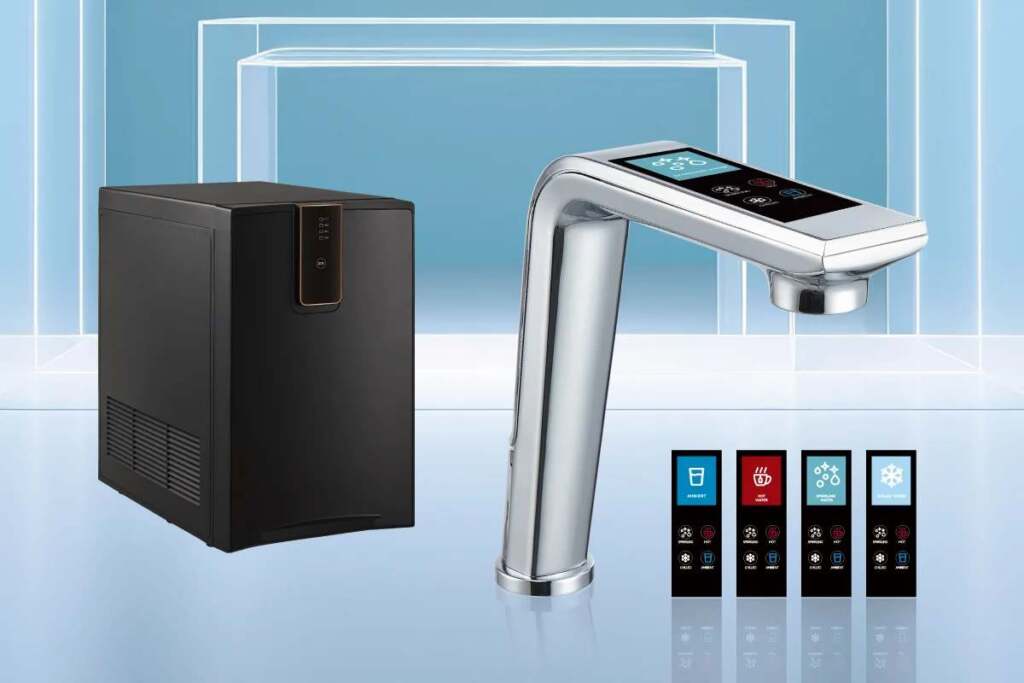 Under Counter Sparkling Water Dispenser – Green-Tak Offers Fresh and
A Quick Warning (Because I’m Your Friend)
Don’t just walk into a supplier and buy the cheapest “energy star” sticker you see. Check the specs. Ask about the compressor type. Is it oil-free? Oil-free compressors are quieter and last longer. Also, look at the “standby power” consumption. A unit that uses 10 watts on standby is way better than one that uses 50 watts. It’s the little vampires that suck your energy bill dry.
Also, consider the size. A giant unit designed for a 500-seat stadium will waste energy in your cozy 50-seat bistro. Right-size your machine. It’s like buying shoes: you wouldn’t wear size 12 boots if you wear size 9 sneakers. Don’t do it to your utility bill.
The Quiet Revolution
Here’s the best part: the new machines are quiet. Remember my friend’s lawnmower? The new units hum softly, if they make any noise at all. Your staff can hear the espresso machine, the customers, and the register. No more shouting orders over the sound of carbonation. It changes the entire vibe of your front of house.
And let’s be real, a quiet machine looks more professional. It signals that you run a modern, thoughtful operation. Plus, your barista won’t want to throw a wrench at it. That’s a win for morale and maintenance costs.
So, Should You Upgrade?
If your current sparkling water unit is more than five years old, yes. The payoff is real. You’ll save money, water, and sanity. It’s one of those rare business decisions that feels good morally and financially. Like choosing to floss—it’s a little annoying to start, but your future self will thank you.
Just remember: it’s not about buying the most expensive one. It’s about buying the right one for your volume. Talk to a few vendors. Try some samples. And listen for the hum. If it sounds like a lawnmower, walk away. Your wallet—and your electric meter—will be grateful.
So go ahead. Make the switch. Your sparkling water will still be crisp, your customers will be happy, and you can finally hear yourself think. Now that’s something worth raising a glass to. Cheers to not going broke over bubbles.
