Difference Between Distilled Water And Filtered Water

Picture this: you’re standing in the grocery aisle, staring at a row of water bottles and countertop pitchers. Distilled vs. filtered—which one deserves a spot in your fridge?...
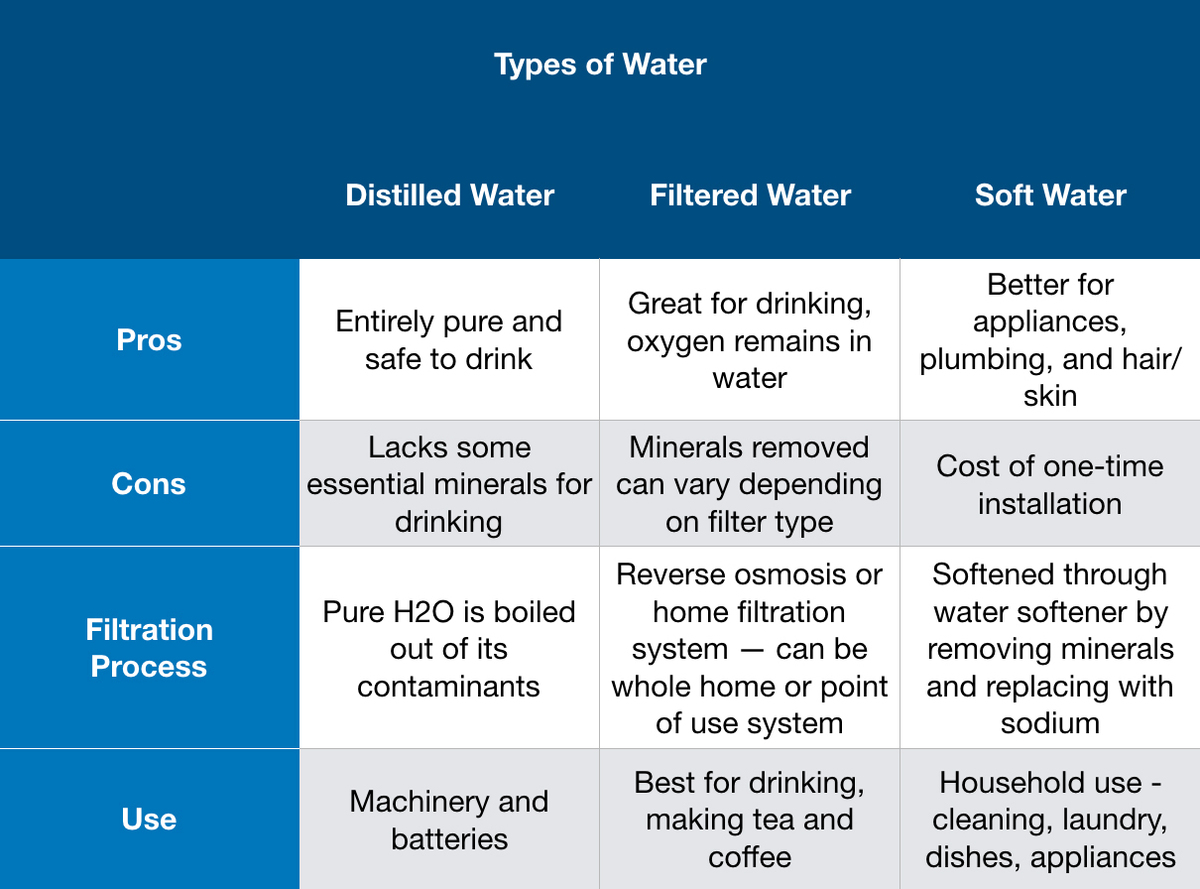
Picture this: you’re standing in the grocery aisle, staring at a row of water bottles and countertop pitchers. Distilled vs. filtered—which one deserves a spot in your fridge? It’s a quiet showdown that’s been bubbling up in kitchens, gym bags, and even your local café’s pour-over station.
The short answer? Both are clean, but they take very different paths to get there. Filtered water is like a friendly bouncer at a club—it keeps out the riff-raff (sediment, chlorine, bad tastes) while letting the good stuff (minerals like calcium and magnesium) stay in the party. Distilled water, on the other hand, is a full-on cleanse—it boils water into steam, then condenses it back, leaving everything behind, including those minerals.
The Science (in a Nutshell, No Lab Coat Required)
When you filter water, you’re usually passing it through a physical barrier—think activated carbon or a reverse osmosis membrane. This process removes impurities like lead, pesticides, and that weird swimming-pool taste from chlorine. It’s the go-to for most households because it’s a balanced upgrade: clean but not stripped.
Must Read
Distillation, meanwhile, is the dramatic cousin. You boil the water, capture the steam, and let it cool into a pure form. This method eliminates nearly everything—including bacteria, heavy metals, and even minerals you might actually want. It’s the water version of a minimalist wardrobe: sleek, simple, but not for every occasion.
A Quick Cultural Detour: Water in Pop Culture
Remember in Breaking Bad when Walter White used a distillery setup for… well, not water? That’s the energy. Distillation has a mad-scientist vibe—it’s serious, clinical, and favored in labs and humidifiers. Filtered water is more like the humble hero in a feel-good movie—the one you see in a sleek, glass carafe at a wellness influencer’s brunch.
Even your favorite celebrity’s hydration routine matters. Gwyneth Paltrow’s Goop once praised a fancy filter for “restructuring” water (don’t ask). Distilled? It’s the choice for folks who fear microplastics, like those minimalist YouTubers who only drink from glass bottles. Pick your tribe.
Practical Tips for Your Daily Sip
Here’s where it gets real. If you’re brewing coffee and want a crisp, clean taste without mineral buildup in your machine, distilled water is a solid choice. But careful—some coffee snobs argue it makes the brew taste flat, like a joke without a punchline. Filtered is usually the sweet spot for a vibrant cup.
Thinking about skin care? Distilled water is amazing for facial steamers and humidifiers because it prevents white mineral dust from coating your countertop. Filtered water works fine for your morning splash, but if you’ve got reactive skin, distilled might be the gentle whisper your face needs.
For everyday drinking, most people prefer filtered. It keeps the electrolytes your body craves (hello, post-workout) and tastes closer to what our ancestors drank from mountain springs. Distilled, without those minerals, can taste “flat” or even a little weird—like water that’s been through a mid-life crisis and forgotten its personality.
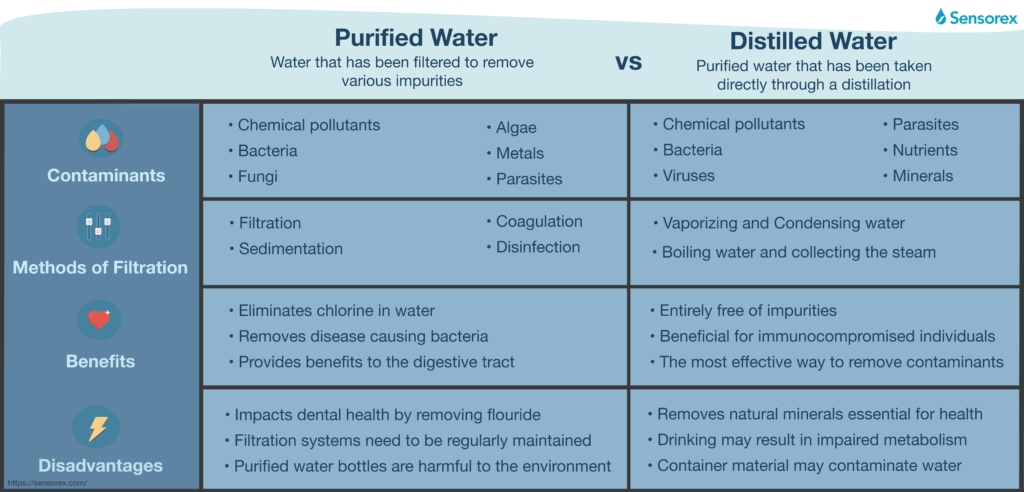 What’s the Difference Between Purified vs. Distilled Water? - Sensorex
Fun Facts to Drop at Dinner Parties
Fun fact one: Distilled water isn’t just for science geeks—it’s what car batteries and steam irons use to avoid corrosion. Yes, your iron is basically a high-maintenance diva. Fun fact two: During the 1800s, sailors distilled seawater to stay alive at sea. So technically, every sip of distilled water is a mini survival story.
Fun fact three: Filtered water is older than you think—ancient Greeks used charcoal filters in wine to improve the taste. They were the original influencers, minus the Instagram reels. And fun fact four: NASA uses a high-tech filter system on the ISS, but astronauts also distill water from their own sweat. Yes, you read that right—every sip of space water is a recycled plot twist.
Which One Should You Buy?
Let’s break it down with a simple motto: Drink filtered, cook with filtered, but consider distilled for specific tasks. Filtered is your everyday champion—great for juice, ice cubes, and Taylor Swift’s perfect hydration in her “Anti-Hero” music video (she reportedly uses a Brita pitcher). Distilled is the specialist: perfect for your CPAP machine, baby formula (check with your pediatrician), or that fancy espresso machine you bought during lockdown.
Cost-wise, you’ll spend more on distilled if you buy it by the gallon—around $1–2 per gallon—while filtered water from a pitcher is a one-time cost that pays off in pennies per cup. The environment votes filtered too: fewer plastic bottles, fewer steam-ready machines. Your wallet and the planet are a team.
A Final, Low-Key Reflection
In the end, choosing between distilled and filtered water isn’t about being “more pure.” It’s about matching what you need today—like choosing between a crisp white shirt and a cozy hoodie. Both are clean, both serve a purpose, but one feels right for your morning hustle, and the other for your quiet Sunday.
So take a sip of what’s in your glass right now. Does it feel like it’s just giving you hydration, or is it also giving you a tiny bit of life—minerals, memories, and maybe a little bit of your local aquifer’s story? That’s the magic of filtered water. Distilled? It’s the silent, efficient friend who shows up when you need a reset. Both are good. The best water is the one you actually drink—intentionally, joyfully, and without overthinking it.
