Can You Claim Universal Credit If You Have A Mortgage

Let’s talk about the elephant in the room. Or should I say, the mortgage in the living room. You’re probably wondering: can you claim Universal Credit if you have a mortgage?...

Let’s talk about the elephant in the room. Or should I say, the mortgage in the living room. You’re probably wondering: can you claim Universal Credit if you have a mortgage? The short answer is a spicy “maybe.” But hold on—this isn’t boring benefits talk. This is a financial detective story with a few plot twists.
The First Plot Twist: Rent vs. Mortgage
Universal Credit loves renters. It has a special cuddle section called the Housing Element. That bit is for people who pay rent. If you own a house with a mortgage, you don’t get that cuddle. Nope. You get a cold shoulder from the Housing Element.
But wait! Don’t slam your laptop shut yet. There’s a secret backdoor for homeowners. It’s called Support for Mortgage Interest, or SMI. That’s a loan, not a grant. Yes, a loan. You have to pay it back later. Quirky, right?
Must Read
So, What Actually Happens?
You can claim Universal Credit with a mortgage, but the mortgage bit is handled separately. The system is a two-headed beast. One head handles your income and job status. The other head stares at your home loan. And that head blinks slowly before offering SMI.
You don’t get the money right away. You wait nine months. That’s a fun little waiting period. It’s like a financial “cooldown” in a video game. During those nine months, you’re expected to sort yourself out. Or just twiddle your thumbs.
Quirky Fact #1: The “Interest-Only” Weirdness
SMI only pays the interest on your mortgage. Not the capital. Not the building. Just the interest. That’s like paying for the coffee but not the cup. It’s hilariously specific. And if your mortgage is interest-only? SMI covers the interest part of the interest-only part. Yes, it’s a nest of Russian dolls.
Quirky Fact #2: The “House Size” Rule
Universal Credit judges your house size like a picky real estate agent. If your house is too big for your family, you might get less help. They literally ask: “Do you have a spare bedroom?” That spare room is called a “bedroom tax” in the rental world. For homeowners, it’s more like a bedroom frown.
The Fun Part: When You Actually Get It
Imagine you survive the nine-month wait. Congrats! Now SMI pays your mortgage interest directly to your lender. You never touch the cash. It’s like a ghost butler who pays your bank. Poof. Money gone. No fuss, no spending sprees.
But here’s the kicker: SMI is a loan. You have to repay it when you sell your house. Yes, when you’re old and ready to downsize, the government says, “Remember that time we helped you? Pay us back, please.” It’s a friendly nudge with a tiny interest rate.
What If You’re Working?
If you have a job but still claim Universal Credit, the mortgage help is even sillier. Working full-time? You probably don’t need SMI. But if you’re self-employed or on low hours? SMI might be your weird, bouncy friend. It’s for people who don’t have enough “net income” to cover mortgage interest.
 What Are The Changes With Universal Credit at Brittany Cray blog
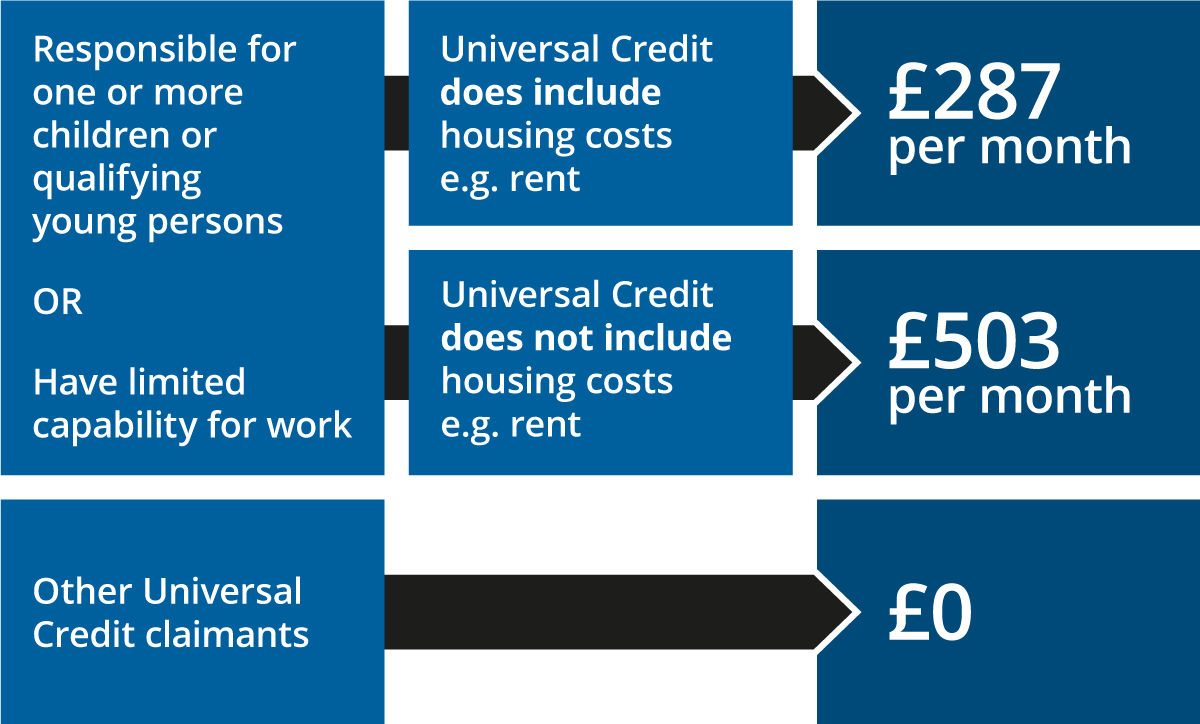
Here’s the twist: Universal Credit deducts a flat amount from your payment for “non-dependents.” Got a grown-up kid living with you? The government assumes they chip in. Even if they don’t. Awkward.
The “You Must Be Earning” Trap
You can’t claim SMI if you’re on a high income. But you also can’t claim it if you’re earning too little from work. There’s a sweet spot. It’s like a parking space in a crowded city. Good luck finding it.
Why This Topic Is Fun (I Promise)
It’s fun because it’s a labyrinth. Every path leads to a new rule. You have a mortgage? Great. Now answer: Is your mortgage over 25 years? Are you a homeowner but not the main earner? Do you have savings over £16,000? If yes, you’re out. The system is like a choose-your-own-adventure book, but all pages say “No.”
But here’s the best part: you can claim Universal Credit even with a mortgage. You just won’t get the housing part instantly. It’s like ordering a pizza but the cheese arrives nine months later. Strange, but not impossible.
Three Steps to Survive This Madness
Step one: Apply for Universal Credit like normal. Don’t mention your mortgage yet. The system asks about housing costs later. Ignore that field. For now. Step two: After nine months of waiting, contact the DWP. Say, “Hey, I have a mortgage.” They’ll say, “Cool, here’s SMI.” Step three: Don’t sell your house for a while. Because that loan will come back to haunt you. But hey, by then you might have a winning lottery ticket.
Final Fun Nugget: The £200,000 Cap
SMI only covers mortgages up to £200,000. That’s the limit. If your house is a mansion worth a million, SMI says, “Good luck with that.” It’s like a theme park ride for small houses only. Sorry, millionaires.
So, can you claim Universal Credit if you have a mortgage? Yes. But it’s a game of patience, loopholes, and loan repayments. It’s not boring—it’s a quirky financial puzzle. Go ahead, puzzle it out. Just don’t expect a quick answer. That’s the fun part.
