Touchless Hydration Solutions For Open-plan Workplaces

Picture this: You’re in a sleek, open-plan office. You’ve just survived a two-hour meeting about “synergy,” and your mouth feels like the Sahara Desert. Naturally, you stumble...
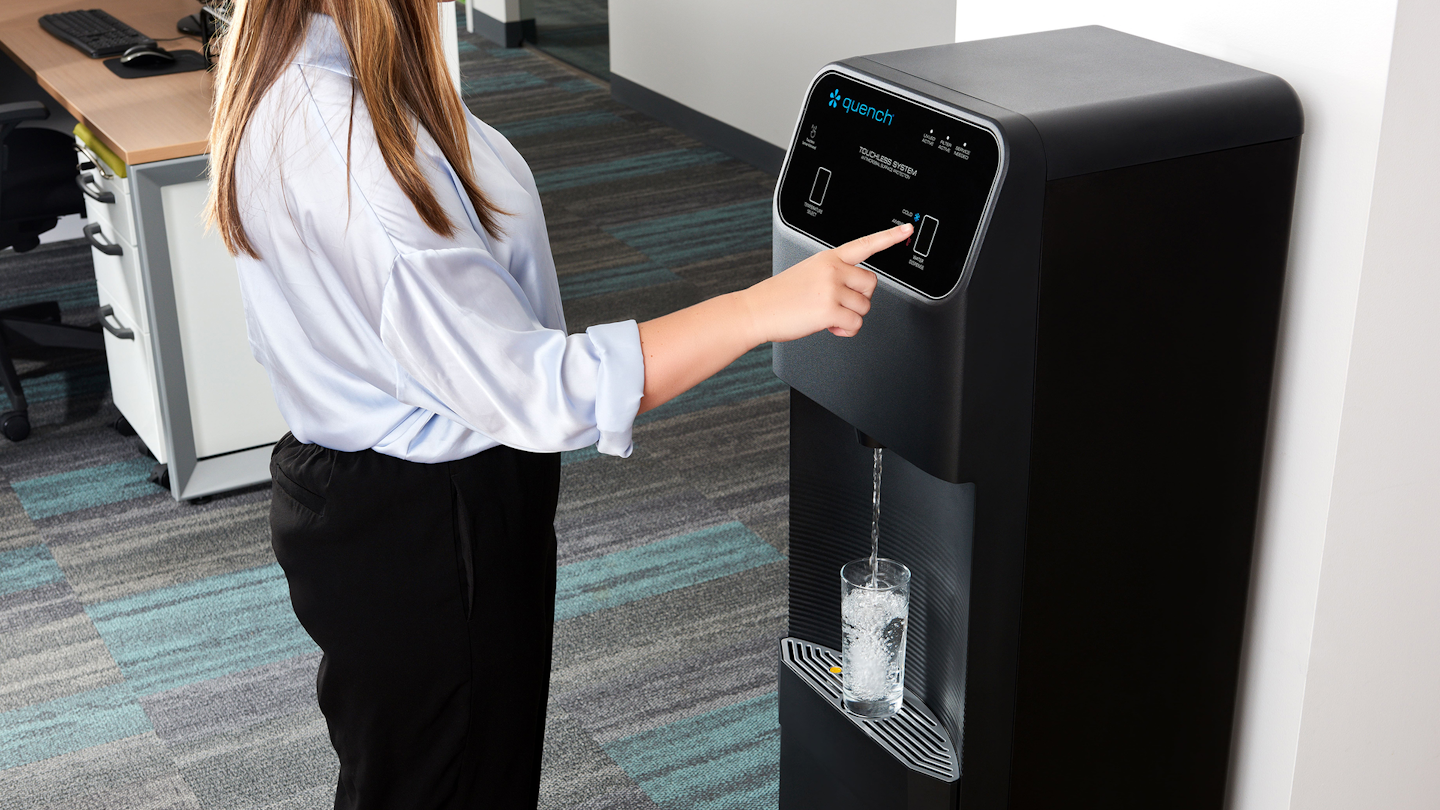
Picture this: You’re in a sleek, open-plan office. You’ve just survived a two-hour meeting about “synergy,” and your mouth feels like the Sahara Desert. Naturally, you stumble toward the water cooler—the sacred watering hole. But as you reach for the spigot, you freeze. Fifty grubby hands have touched that same button today. Suddenly, you’re not thirsty anymore; you’re just paranoid.
Congratulations, you’ve just had a crisis of faith in public hydration. But fear not, my germophobic friend. The future has arrived, and it is touchless. We’re entering the golden era of the sensor-activated water fountain—and it’s here to save your office social life.
Why Your Water Cooler Became a Biohazard Zone
Let’s face it: open-plan offices are essentially human petri dishes. You share air, desk bacteria, and—until now—you shared germy buttons. A single water cooler button can host more bacteria than a toddler’s shoelace. That’s a real stat, by the way. Toddler shoelaces are nasty.
Must Read
The solution? Touchless hydration. These fancy fountains use infrared sensors, so you just wave your hand or hover your bottle. No contact. No cooties. It’s like magic, but with plumbing. And the best part? You no longer have to pretend you’re too busy to drink just to avoid the communal tap.
The Rise of the “Wave-and-Sip” Culture
I call it the “Wave-and-Sip” movement. You strut over, give a dramatic jazz-hand gesture, and—whoosh—ice-cold water cascades into your bottle. It feels ridiculously futuristic, like you’re commanding a starship. But instead of aliens, you’re defeating dehydration.
Some models even talk to you. No, really. They flash LED lights and say things like “Hydration achieved!” in a robot voice. One colleague in my office swears his fountain whispered “You’re welcome” after he took a sip. He might be lying, but it’s still a better conversation partner than the guy from accounting who eats tuna at his desk.
The Secret Sauce: Sensors, Wi-Fi, and Zero Drip
Let’s geek out for a second. Touchless hydrators work via passive infrared (PIR) sensors—the same tech that makes your automatic toilet flush scare the pants off you in a highway rest stop. But these are smarter. They detect the precise shape of a water bottle and adjust the stream accordingly. No splashing. No wasted drops.
And here’s the surprise: some models connect to Wi-Fi. Your office fountain can now tweet at you: “@SarahFromHR, you’ve only had 200 ml today. Step it up, tiger.” I’m joking. Sort of. But it’s true that smart fountains track usage and remind your Fitbit to cheer you on. Welcome to the Internet of Thirsty Things.
But Does It Actually Make People Drink More?
Short answer: yes, and it’s hilarious. Studies show that employees consume up to 40% more water when hydration stations are touchless and visible. Why? Because waving your hand at a machine feels like a game. It’s like playing arcade basketball, but for your kidneys.
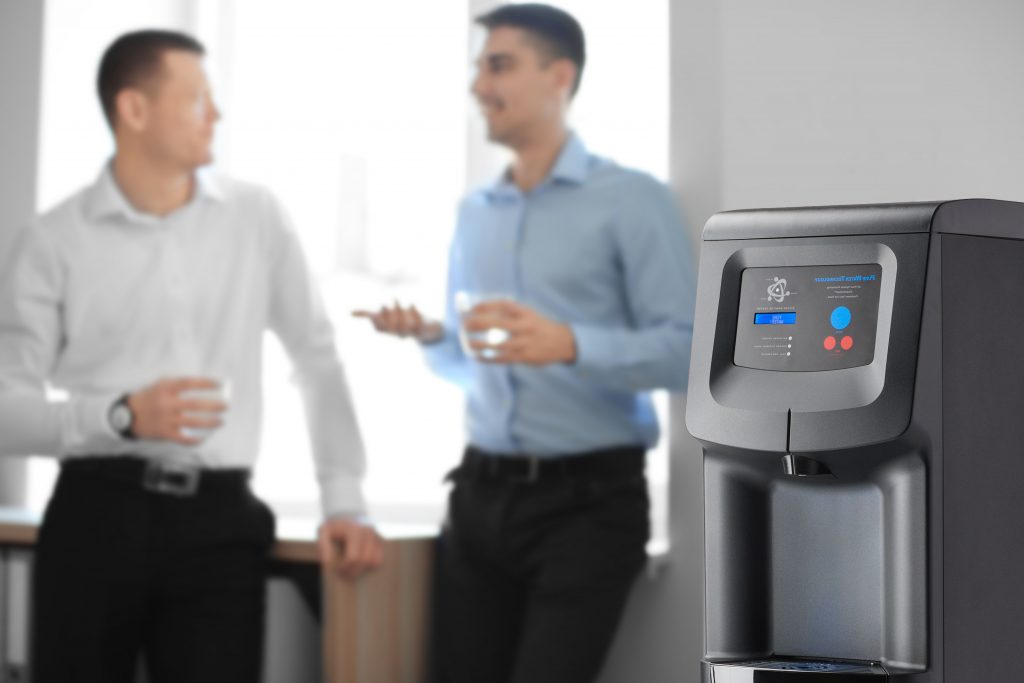 Touchless Water Filling Station: Sanitary Office Solution
One office manager in San Francisco told me her team started a “hydration competition” using the fountain’s Bluetooth stats. The winner got a gold sticker and a plant. The loser? Public shaming via a Slack channel called #ThirstyLosers. I’m not saying this is mature, but I am saying it works.
The Absurdity of Open-Plan Office Chefs
Now, let’s address the elephant in the room—or rather, the guy making a fountain latte. In open-plan offices without touchless solutions, people do weird things. I’ve seen a coworker rinse a squishy stress ball under the cooler spigot. Another person tried to refill a growler of kombucha (don’t ask). With touchless models, you can’t contaminate the nozzle because there is no nozzle. The water sprays upward from a sealed spout, like a tiny geyser for the workplace.
It took me three tries not to look like a fool the first time. I held my bottle upside down, expecting a waterfall. Instead, I got a face full of refrigerated embarrassment. But hey, that’s progress.
The Bottom Line: You’ll Never Miss the Old Cooler
Yes, switching to touchless hydration costs money—roughly $800 to $1,500 per unit. But when you factor in reduced sick days, fewer fights over who left the last drop of water, and the sheer entertainment value of watching your boss try to high-five the sensor, it’s a steal. Plus, offices with touchless fountains report a 50% drop in complaints about “grossness.” That’s the actual word they use in corporate surveys: “grossness.”
So, next time you’re in your open-plan jungle, look for the gleaming sensor unit in the corner. Walk up. Raise your bottle. Do not touch anything. Embrace the future, one hover at a time. Your immune system—and your inner child who loves waving at stuff—will thank you.
Now, if you’ll excuse me, I need to go refill my water. The robot’s waiting. And I think it’s judging my posture.
