Write The Difference Between Hard Water And Soft Water

Let’s be honest: unless you’re a chemist or a plumber, you probably don’t spend your weekends pondering the mineral content of your tap water. But if you’ve ever scrubbed a sh...
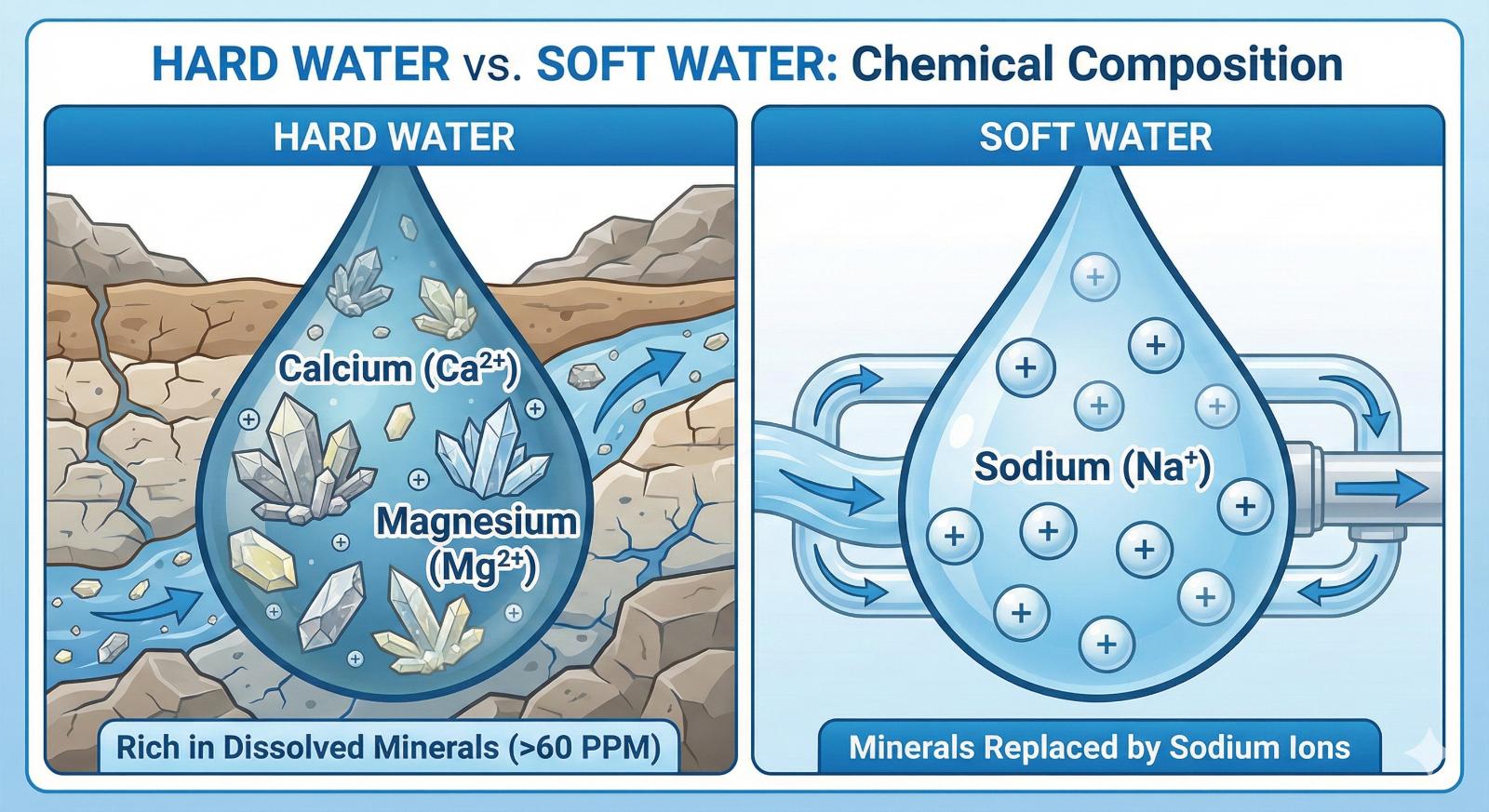
Let’s be honest: unless you’re a chemist or a plumber, you probably don’t spend your weekends pondering the mineral content of your tap water. But if you’ve ever scrubbed a showerhead until your arm ached, or felt like your soap was giving up on life, you’ve already met hard water and its softer, more agreeable cousin. They’re like that annoying friend who leaves a mess everywhere versus the one who tidies up after themselves.
Hard water is basically water that’s been on a mineral-collecting road trip through limestone and chalk. It picks up calcium and magnesium along the way, which sounds healthy, but in your home, it’s like a tiny, invisible vandal. Soft water, on the other hand, has had those minerals mostly removed, often by a water softener or because it came from a source that just didn’t have them.
The Suds Test: A Tale of Two Showers
You can tell the difference the second you lather up. With hard water, your soap turns into a sad, wimpy foam that feels like it’s fighting you. You’ll use half a bottle of shampoo just to feel clean, and your hair will end up feeling like straw dipped in glue.
Must Read
With soft water, a tiny drop of soap explodes into a luxurious, fluffy cloud of suds. You’ll rinse off in half the time, and your skin will feel so smooth you’ll wonder if you accidentally moisturised in your sleep. It’s like the difference between washing your hands with dish soap versus a fancy, hydrating body wash.
I once visited a friend with a water softener, and after my shower, my hair was so silky it kept sliding out of my ponytail. I felt like a shampoo commercial model. Then I went home, took a hard-water shower, and immediately looked like a startled hedgehog.
The Great Scale-Off: Appliances vs. The Invaders
If your kettle looks like it’s hosting a miniature snowstorm of white flakes, that’s hard water scale. It’s the same stuff that clogs your coffee maker and turns your showerhead into a sad, drippy sprinkler. Think of it as mineral dandruff for your appliances.
Soft water leaves zero trace in your kettle. It boils faster, your coffee tastes cleaner, and your washing machine won’t develop a chalky crust that makes it sound like a dying robot. Honestly, it’s the difference between a pampered pet and a stray cat that’s been sleeping in a chalk mine.
One time, I forgot to descale my electric kettle for six months. When I finally peered inside, it looked like the inside of a stalactite cave. I half-expected a tiny bat to fly out. That’s the hard water tax you pay for ignoring the problem.
The "Spotty Glass" Phenomenon
You know that annoying film on your freshly washed wine glasses? That’s hard water drying with its minerals in tow. It leaves spots, streaks, and a ghostly white haze that makes your best crystal look like a thrift-store reject. You’ll polish them for ten minutes, only to get a new spot the second you lift the cloth.
With soft water, your glasses come out of the dishwasher looking like they’re from a five-star restaurant. They’re crystal clear, spot-free, and you can see your reflection better than in a mirror. It’s the difference between a diamond and a dusty rock.
 Difference Between Hard & Soft Water | Explora Madeira
I once hosted a dinner party and used soft water to wash the glasses. Everyone complimented my cleaning skills. I didn’t tell them my water did all the work. I just nodded and smiled like a domestic goddess.
The Soap Scum Battle: Your Shower Door’s Worst Enemy
Hard water loves to combine with soap to create soap scum—that gross, greasy, grey film that clings to your shower door and tiles. Scrubbing it off feels like trying to remove dried cement with a toothbrush. It’s the stubborn slime that makes you question your life choices.
Soft water doesn’t do that. Your soap dissolves completely and rinses away without a trace. Your shower door stays clear, and you can actually see the cute tile pattern you paid for. It’s like comparing a messy roommate who never cleans to a neat freak who vacuums in their sleep.
I once spent a whole Saturday scraping soap scum off a glass door. By the end, my arms ached, and I was covered in a weird, sludgy paste. My neighbour, who has soft water, just shrugged and said, “I just spray and wipe.” I’ve never been so jealous of a plumbing decision.
The Bottom Line: Which Water is Boss?
Hard water isn’t dangerous—it’s just annoying. It makes cleaning harder, shortens your appliance’s life, and leaves your hair feeling like a scarecrow’s wig. But it does contain minerals that some people say are good for you (though you’d get more from a glass of milk).
Soft water makes everything easier: less scrubbing, better lather, and smoother skin. The downside? It can taste a bit flat or salty if you use too much softener salt. It’s like the difference between a chatty neighbour who drops by uninvited versus a polite one who texts first.
So, next time you’re wiping water spots off your mirror or cursing at a crusty kettle, just remember: you’re not doing anything wrong. You’re just living in a hard water world, doing your best to keep things clean. And if you ever get a chance to visit a house with soft water, take the longest shower of your life and savour every silky, spot-free second. You’ve earned it.
