Is Purified Drinking Water The Same As Distilled Water

So, picture this: it’s 2 AM, and I’m staring into my fridge, desperate for a glass of water. All I find is a dusty bottle labeled “purified drinking water” and a half-empty ju...
So, picture this: it’s 2 AM, and I’m staring into my fridge, desperate for a glass of water. All I find is a dusty bottle labeled “purified drinking water” and a half-empty jug of distilled water my roommate uses for his iron. I thought, “They’re basically the same, right?” I grabbed the purified one and chugged it, feeling oddly smug—until a tiny voice in my head whispered: But what if you just ruined your electrolyte balance? Spoiler: I didn’t, but it got me thinking.
The great water identity crisis
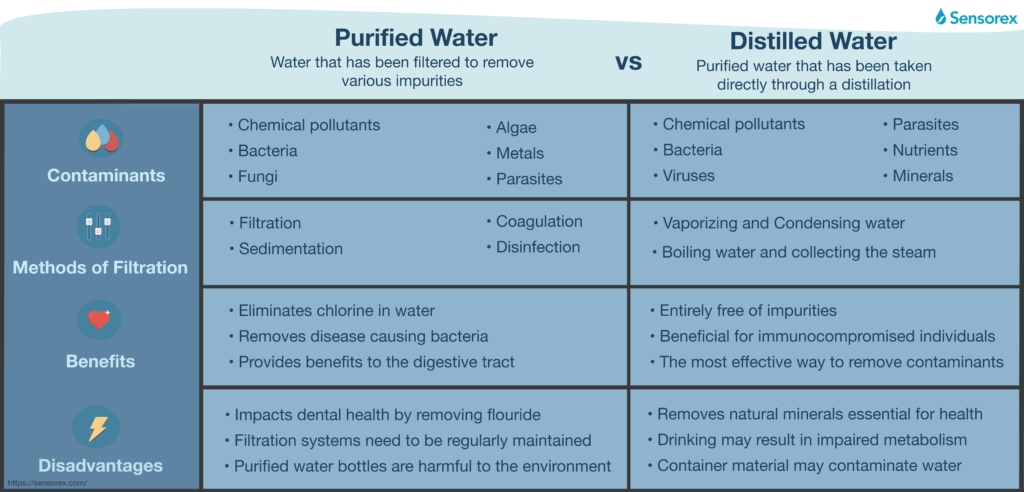
Let’s cut through the fog: purified drinking water and distilled water are not the same. Yes, they’re both ultra-clean, but they get there via entirely different roads. Think of purified water as the friendly, well-rounded cousin at the family reunion, while distilled water is the intense, slightly mysterious aunt who only drinks herbal tea.
Purified water has undergone a process—like reverse osmosis or carbon filtration—that removes most impurities, including chlorine and bacteria. But here’s the kicker: it still retains a few beneficial minerals like magnesium and calcium. You know, the stuff that makes water taste, well, watery instead of like a wet sock.
Must Read
Distilled water, on the other hand, is the overachiever. You boil it, collect the steam, and condense it back into liquid—leaving everything behind, including minerals. It’s so pure it’s almost sterile. (Side note: If you ever need water for a science experiment or a car battery, distilled is your friend. For drinking? Eh.)
Why your taste buds might rebel
Remember that time you tried “spring water” from a fancy plastic bottle and thought, “This tastes… different”? That’s the minerals talking. Distilled water has zero flavor—literally. It can taste flat or slightly “empty” because your brain associates mineral content with freshness. Purified water usually has a mild, neutral taste because it keeps a tiny mineral profile.
I once let a friend sip distilled water blindfolded, and she said it felt like “drinking the idea of water.” (She’s a poet, obviously.) If you’re used to tap water, purified will feel like a gentle upgrade; distilled might make you wonder if you’ve been tricked by a prank.
So, which one should you guzzle? If you just need hydrating H2O for daily life—coffee, cooking, chugging during workouts—purified is your pal. It’s affordable, available everywhere, and won’t leach minerals from your body like some myths claim.
The “distilled water is dangerous” myth (relax)
Let’s tackle the scary rumor: “Distilled water will strip your teeth of calcium!” Not exactly. Sure, distilled water is slightly acidic (pH ~6) due to absorbing CO2, but your stomach acid is way stronger. Your body doesn’t rely on drinking water for minerals—it gets them from food. You’d have to drink gallons of distilled water every day for years to cause real harm. So no, you're not turning into a skeleton.
But here’s a fun fact: distilled water is aggressively pure, meaning it will absorb minerals from anything it touches—like your plastic bottle or your metal kettle. That’s why it’s great for humidifiers (no white dust) but weird for long-term storage. Purified water is more stable because those residual minerals act as buffer agents.
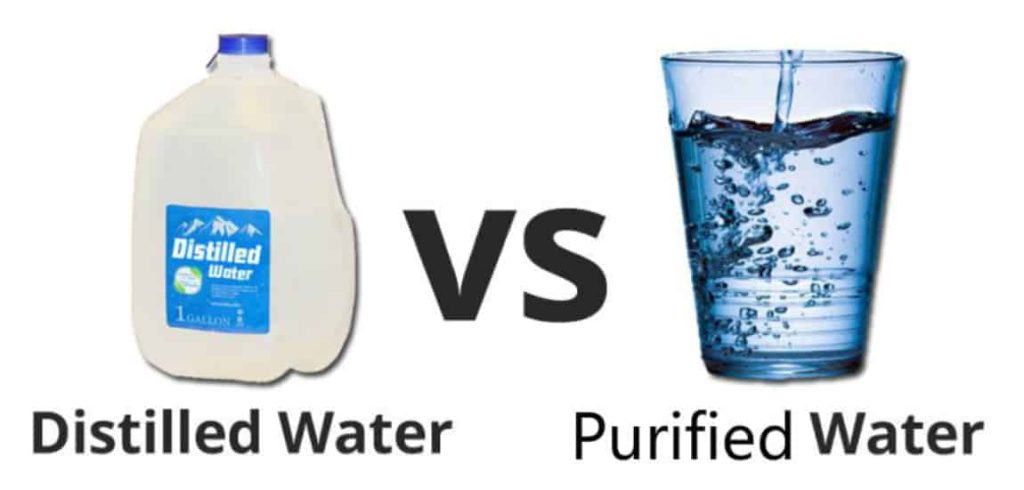 Is Purified Water the Same as Distilled Water?
Honestly, the choice often comes down to intent. If you’re making baby formula or brewing pour-over coffee, some snobs will insist on purified water (the minerals enhance extraction). Distilled? It’s for when you need a blank slate—like mixing with CPAP machines or cleaning delicate electronics. Also: don’t drink exclusively distilled unless a doctor tells you to. Your kidneys will work harder.
The real-world litmus test
Walk into any grocery store and look at the labels. “Purified drinking water” often says “treated by reverse osmosis” or “contains added minerals for taste.” Distilled water has a separate section, usually near pharmacy stuff, and proudly declares “99.9% pure.” (The 0.1% is probably oxygen—relax.)
I once bought a gallon of distilled by accident for my morning smoothie. It was fine, but my kale tasted… lonely. The smoothie was less vibrant, like the water was sulking. Purified water, however, makes everything feel more “together”—which is probably psychological, but hey, taste is taste.
Bottom line: Don’t panic if you mix them up. Neither will kill you. But if you want unsolicited advice? Use purified for drinking, distilled for appliances, and stop overthinking hydration. (Unless you’re a water sommelier—in which case, I bow to your palate.)
One more thing before you go
If you’re ever at a friend’s house and they offer you “distilled water” from the tap, run. That’s not a thing—distillation requires heat and condensation, not a filter. Real distilled water is either bought or made in a special machine. Oh, and never use it in a fish tank unless you re-mineralize it first; fish hate existential water crises.
So, next time you see that bottle of purified water next to a jug of distilled, give them a knowing nod. They’re not twins—they’re cousins with different hobbies. One is for your soul, the other is for your steamer. Drink wisely, my friend.
