Who Is Responsible For Mains Water Pipes On My Property

You’re standing in a puddle in your kitchen, phone in hand, staring at a geyser erupting from under the sink. The first thought? Whose problem is this, really? It’s a classic...
You’re standing in a puddle in your kitchen, phone in hand, staring at a geyser erupting from under the sink. The first thought? Whose problem is this, really? It’s a classic homeowner’s panic—part plumbing, part property law, and all headache. Let’s untangle the pipe puzzle without needing a lawyer or a plumber’s license.
The Great Divide: Your Pipes vs. The Street
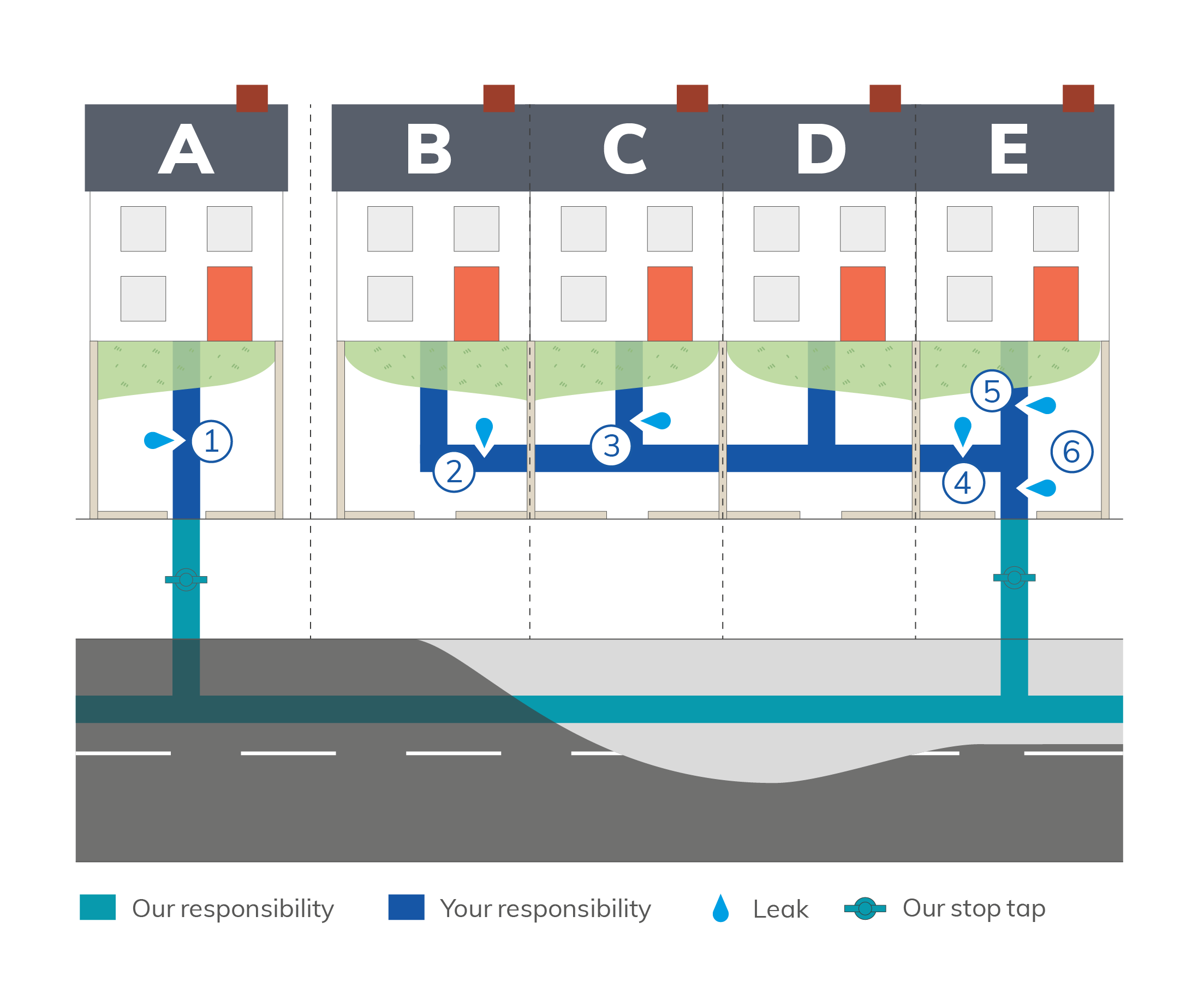
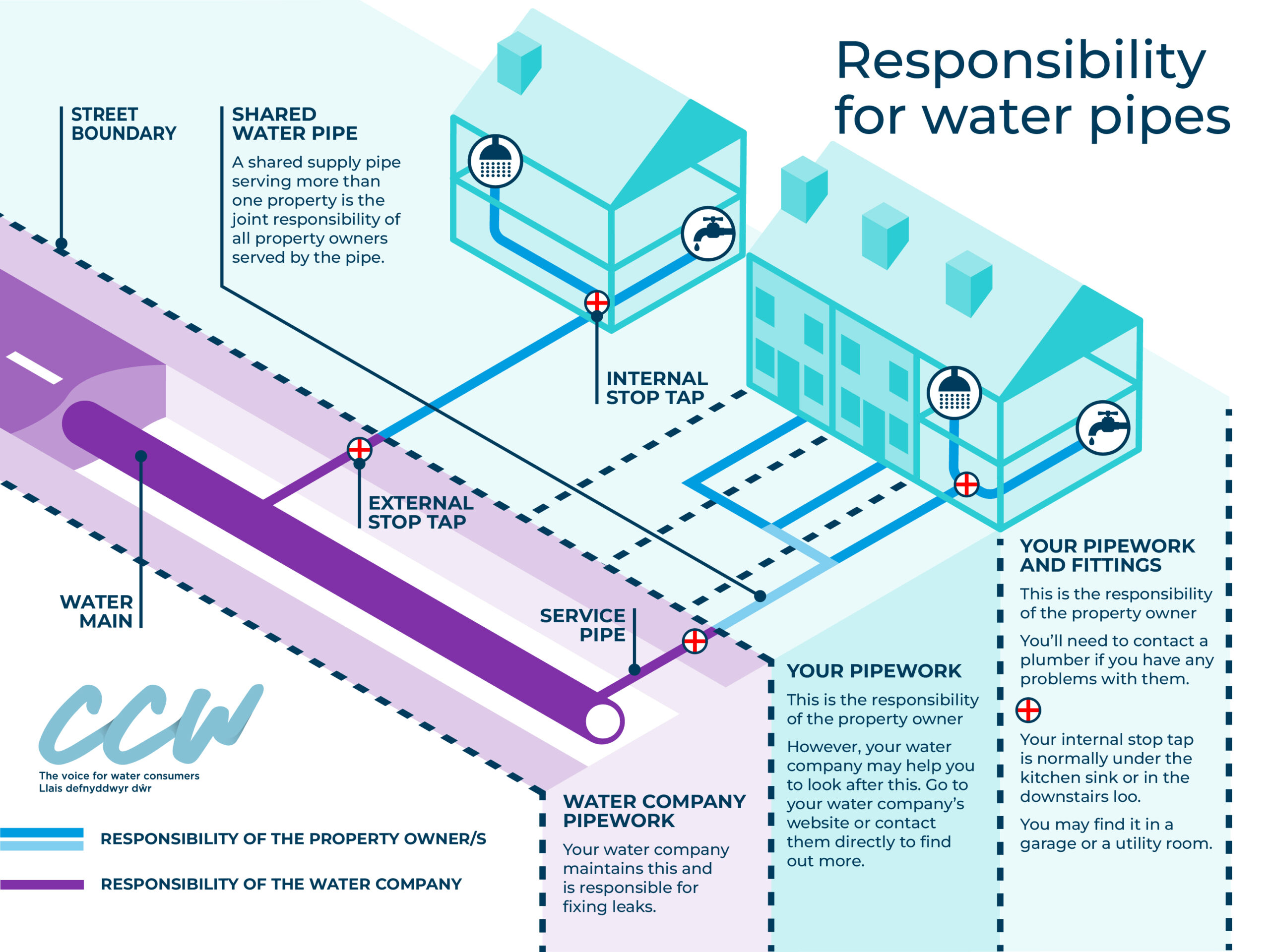
Here’s the golden rule: you own everything inside your property boundary, including the pipe that brings water into your house. That shiny new copper line under your driveway? Yours. The ancient lead pipe under your lawn? Also yours. But the moment that pipe crosses your property line into the public street, it becomes the water company’s responsibility.
Think of it like a digital fence. Your property’s water meter—or a small stop-tap buried near your curb—is the handoff point. Everything on the house side is your domain; everything on the street side is their gig. In the UK, for example, the water company is responsible for the “communication pipe” that runs from the main to your boundary, while you’re on the hook for the “supply pipe” from there to your taps.
Must Read
Don’t blame yourself if you’re confused. Even my grandmother, who gardened like a pro, once thought the water main in her front yard was a communal village pipe. It’s a common myth, and honestly, the water companies love a little ambiguity.
Your Property, Your Wallet
So, you’re the proud owner of that pipe from the boundary to your house. If it springs a leak under your driveway, guess who’s paying the excavation bill? You are. That includes the pipe under your garden, the one running through your garage, and the bit connecting to your internal plumbing.
But here’s a fun, slightly terrifying fact: according to UK water regulator Ofwat, around 20% of all water leaks come from private supply pipes—not the water company’s mains. That means millions of gallons vanish beneath our lawns every year, and we’re the ones footing the repair cost.
Practical tip: Know exactly where your stop-tap is—inside your house and at the boundary. In an emergency, turning that off can save you from a flood while you call a plumber. Treat it like knowing where the fire extinguisher lives; it’s boring until you need it.
The Gray Zone: Shared Pipes and Terraced Houses
Life gets messy when you share a pipe with a neighbor. In a row of terraced houses, your supply pipe might run under your next-door neighbor’s garden. If it bursts there, who pays? Typically, you’re still responsible for the repair, even if the pipe is under their lawn. Awkward, right?
Think of it like borrowing a neighbor’s driveway to park your car—except the car is a leaky pipe. Legally, you have a “right of access” to fix your pipe, but you also have to make good on their garden afterward. A little chocolate and a polite note go a long way here; nobody wants to dig a trench in a prize-winning rose bed.
Cultural reference: This is the plot of every British sitcom episode about neighborhood disputes. If you ever find yourself arguing over a pipe, just remember: it’s not a sitcom—it’s your actual life. Get a written agreement with your neighbor about who pays for what, especially in older homes with shared underground infrastructure.
 Who is responsible for my water pipes? - CCW
When the Water Company Steps In
The water company isn’t a complete villain. They’re responsible for the main pipes that run down your street and the communication pipe up to your property line. If a sinkhole opens in the road? That’s their bill. If the meter itself breaks? Often theirs too.
Here’s a trick: if you have a leak on your side but it’s massive (like, flooding your street), some companies offer leak allowance schemes. They might deduct the cost of the lost water from your bill if you fix the pipe promptly. Check your provider’s policy—it’s like a sympathy discount for the universe’s bad timing.
Fun fact: In France, water companies often split the pipe responsibility evenly between owner and municipality, which sounds dreamy—until you realize you need notarized documents to replace a washer. Tout est compliqué, as they say.
Practical Steps to Save Your Sanity
First, check your deeds. Yes, that dusty document from 1997 might have a diagram showing exactly where your boundary lies. Many disputes are solved before the shovel even touches dirt. Second, invest in a smart water monitor like a Flume or Moen Flo—these devices track usage and alert you to tiny leaks before they become Puddlegate.
Third, call your water company for free advice. In many regions, they’ll come out and locate the leak on your property for free, even if they don’t fix it. That’s like having a doctor diagnose you but not prescribe the medicine—annoying, but it saves you the cost of a pipe-detecting expert.
Finally, budget for a pipe insurance plan if your house is older than you are. Many energy companies offer home cover that includes underground water pipes. It’s boring, like buying extra socks, but it feels heroic when your pipe bursts at 2 a.m. on Christmas Eve.
The Bigger Picture
Think about this next time you turn on the tap: the water flowing out has traveled through pipes owned by municipalities, companies, and—most intimately—you. Your responsibility is a small but critical link in a chain that stretches from a reservoir to your morning coffee. Understanding that link isn’t just about plumbing; it’s about stewardship.
When the leak happens—and it will, because entropy loves plumbing—you’ll feel less like a victim and more like a capable adult who knows whose phone number to dial. For the street pipe, it’s the water company. For the garden pipe, it’s a plumber. And for the headache? That’s all yours, but at least now you can pair it with a glass of cold, undiluted tap water. Cheers to knowing your boundary.
