Who Is Responsible For Shared Drains On My Property Uk

So, you’ve got a drain that’s gurgling like a disgruntled hippo, and it’s not just your loo that’s staring back at you—it’s the neighbor’s too. Welcome to the gloriously confu...
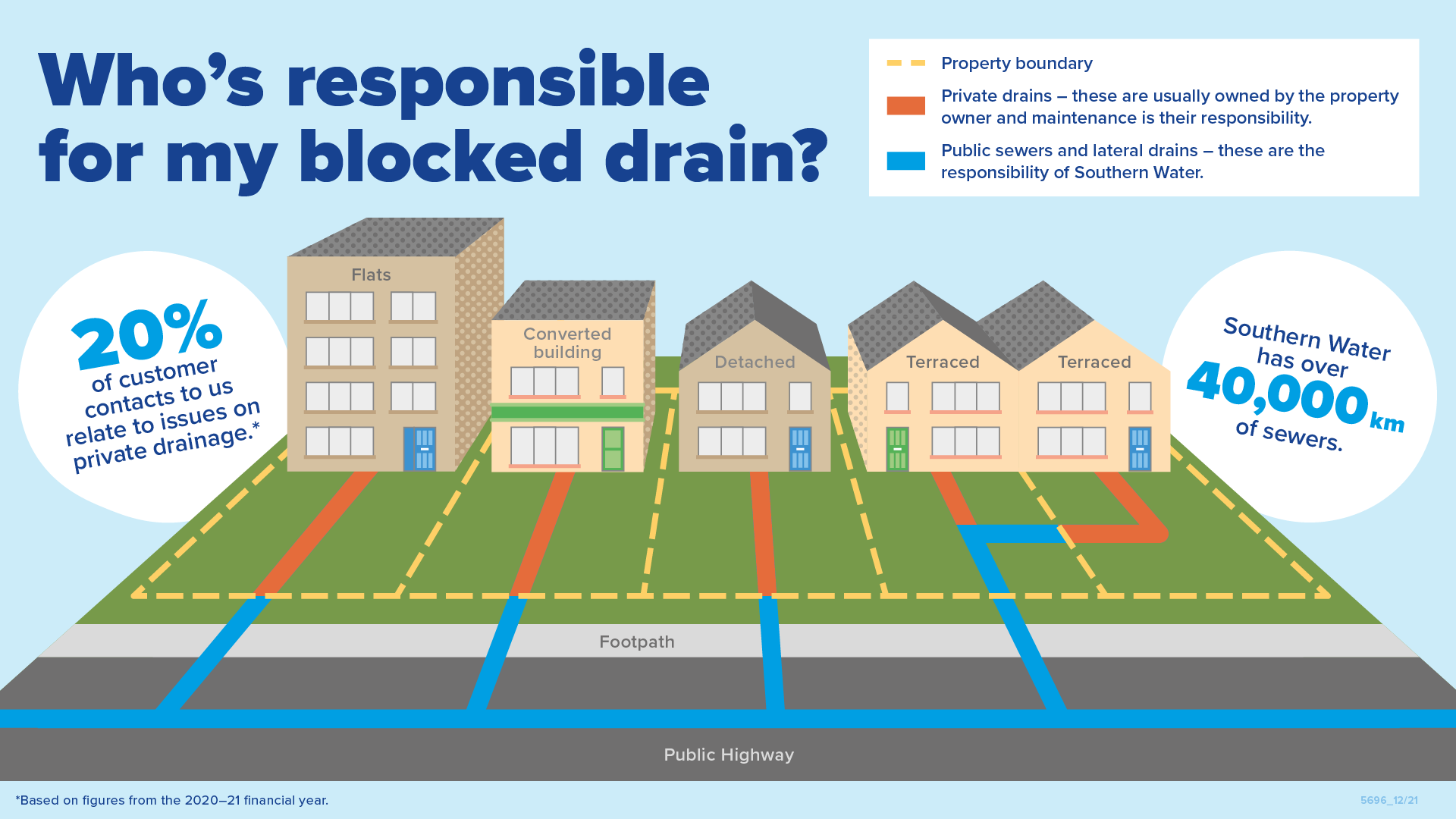
So, you’ve got a drain that’s gurgling like a disgruntled hippo, and it’s not just your loo that’s staring back at you—it’s the neighbor’s too. Welcome to the gloriously confusing world of shared drains in the UK. You’re probably wondering who’s to blame when the brown stuff hits the fan. Spoiler: it’s not always you, but it’s not always your neighbor either—though it’s fun to point fingers.
The Great Drain Divide: What Even Is A Shared Drain?
First, let’s clear the fog. A shared drain is exactly what it sounds like: a pipe that carries waste from your property and at least one other home. Typically, these are underground and lead to the main sewer. Think of it as a watery, stinky co-op where everyone’s poop is in the same boat.
If your toilet backs up while the neighbor’s is flushing fine, that’s your private problem. But if both toilets are sending you a bubble message, you’ve got a shared drain situation. And that’s where the fun begins—like a surprise party you didn’t ask for, except everyone’s bringing sewage.
Must Read
The ‘Who Pays?’ Dance: A Three-Act Play
Act One: The Water Company (The Unlikely Hero)
Here’s a plot twist: since 2011, most water companies in England and Wales are responsible for shared drains that connect multiple properties to the main sewer. Yes, you read that right. The same people who bill you for showering now have to fix your communal gurgle. It’s like finding out your landlord is also your plumber—but with more paperwork.
This means if the shared drain collapses, cracks, or gets clogged by a heroic tree root, the water company foots the bill. They’ll send a team, dig up the street, and mutter things about “legacy infrastructure.” You just sit back and wait for the magic to happen—after you’ve called them three times and held for forty minutes.
Surprising fact: one in four homes in the UK is on a shared drain system. That’s millions of people who are technically water company parasites. Enjoy your free drain maintenance, you beautiful moochers.
Act Two: The Homeowner (You, The Chosen One)
But wait—there’s a catch. The water company only covers the drain outside your property boundary. The bit of pipe that runs under your garden or inside your house? That’s all you, baby. If a shared drain is also on your land, you and your neighbor are jointly responsible for maintaining it. Welcome to sewer marriage.
Imagine this: you’re hosting a barbecue, and the drain explodes like a fecal volcano. You can’t just call the water company and say, “Fix it!” because it’s on your property. You and your neighbor have to split the cost, which means polite negotiations, awkward WhatsApp groups, and possibly a spreadsheet. Fun!
Pro tip: if your neighbor refuses to pay, you can take them to small claims court. Nothing says “neighborly love” like a legal battle over who owns which turd.
Act Three: The Developer (The Ghost In The Machine)
Sometimes, the shared drain is on land that belongs to a housing developer or a management company. This is common in newer estates with “adopted” drains. Here’s the kicker: if the drain hasn’t been officially adopted by the water company, it’s still the developer’s problem. But good luck getting them to answer the phone.
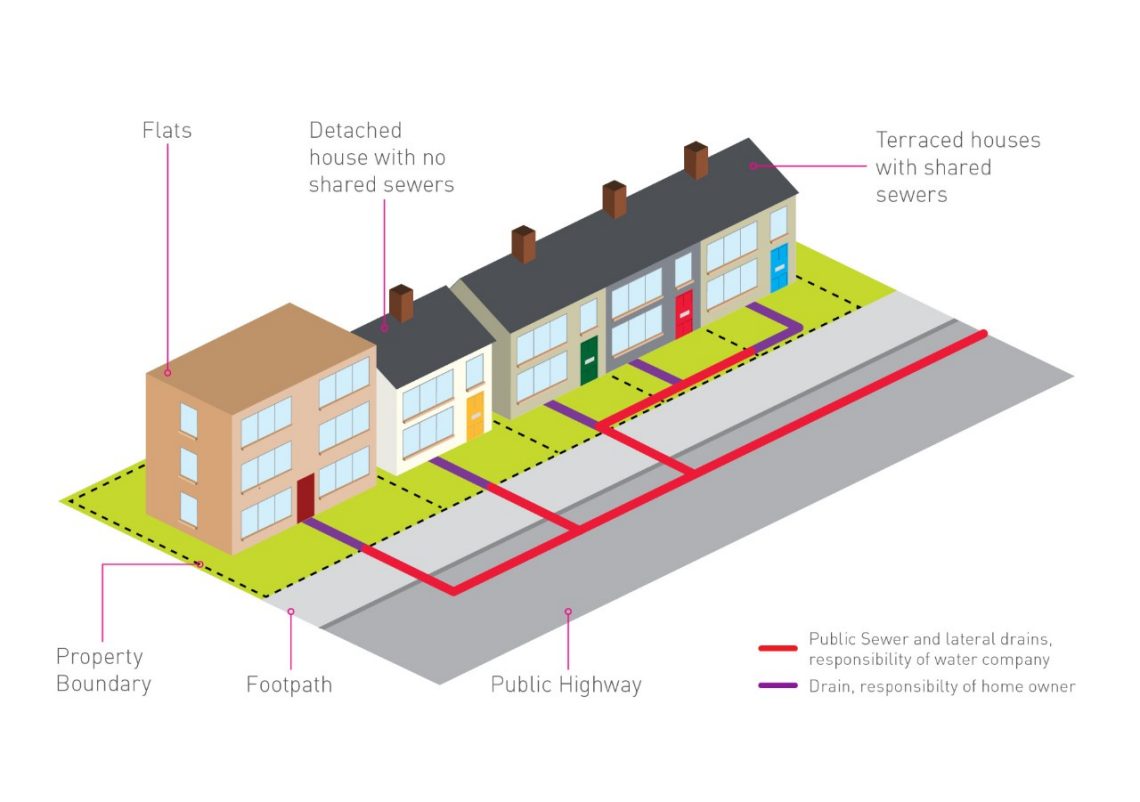 Shared Drainage Responsibility - Drain Brains
You might need to check your property deeds—yes, that dusty document you signed with a cross. If it says “private drainage” or “shared sewer,” you’re in a gray zone. The water company might shrug, the developer might ghost you, and you’ll end up paying anyway. It’s like the plot of a bad thriller, but with more sludge.
How To Know For Sure (Without Sniffing The Pipe)
First, grab a torch and look at your manhole covers. Yes, the ones you’ve been avoiding. If you see two or more houses flowing into the same drain, you’ve got a shared system. Second, check your title deeds or the Land Registry online. It’ll cost you a fiver, which is cheaper than therapy.
You can also call your water company and ask, “Who’s responsible for the big poo pipe outside my house?” They might transfer you three times, but eventually you’ll get a straight answer. Or a fax. Possibly a pigeon. The UK infrastructure is mysterious.
Surprising fact: there are over 200,000 miles of sewer pipes in the UK. That’s enough to wrap around the Earth eight times. Eight. And you thought your commute was bad.
What To Do When It All Goes Wrong (And It Will)
If the shared drain backs up, document everything. Take photos, videos, and a sworn affidavit from your cat. Then contact your water company immediately. If it’s their responsibility, they’ll send a team. If it’s yours, start buttering up your neighbor with cake. Bribery works wonders.
Bitterness aside, a shared drain is a reminder that you’re never truly alone in this world. Even your waste has friends. So next time you hear a gurgle, remember: it’s a team sport. And the water company is your team captain—until they’re not.
Now go flush with confidence. You’ve got this. And if all else fails, just move. The UK is full of houses without shared drains. Probably. Probably not.
