Difference Between Carbonated Water And Sparkling Water

Let’s be honest: you’ve stood in the grocery aisle, hand hovering between a sleek can of sparkling water and a generic bottle of carbonated water, wondering if there’s actuall...

Let’s be honest: you’ve stood in the grocery aisle, hand hovering between a sleek can of sparkling water and a generic bottle of carbonated water, wondering if there’s actually a difference. Spoiler alert: There is—and it’s more about language and branding than chemistry. But once you know the nuances, you’ll never confuse them again.
The Science Fizz: They’re Basically Twins
Technically, both sparkling water and carbonated water refer to water infused with carbon dioxide gas under pressure. That’s it. The bubbles you love are the result of CO2 dissolving into H2O, creating that signature tickle on your tongue.
So why the different names? Mostly marketing and mineral content. In the beverage world, “sparkling water” often implies a natural source—like Perrier or San Pellegrino—where the bubbles come from a spring. “Carbonated water” is usually the generic term for any fizzy H2O, whether from a tap or a bottle.
Must Read
The only real chemical difference? Natural sparkling waters contain minerals like calcium, magnesium, and potassium that give them a distinct mouthfeel and subtle flavor. Artificially carbonated waters are simply pure water with CO2 added—neutral and crisp.
The Name Game: Club Soda, Seltzer, and Tonic, Oh My!
Here’s where it gets messy. Club soda is carbonated water with added minerals (like sodium bicarbonate) to mimic natural spring water. It’s a bartender’s best friend because the minerals enhance cocktail flavors.
Seltzer, on the other hand, is pure carbonated water—no minerals, no frills. It’s the old-school New York soda fountain classic that has made a massive comeback in flavored cans. Fun fact: The name “seltzer” comes from the German town of Selters, famous for its naturally sparkling spring.
Tonic water is a whole different beast: carbonated water plus quinine (for that bitter bite) and sweetener. Unless you’re mixing a gin and tonic, skip it—it’s basically a soft drink in disguise.
Cultural Bubbles: How the World Drinks Its Fizz
In Italy, ordering “acqua frizzante” is a daily ritual, often paired with meals to aid digestion. In Japan, you’ll find “tansan-sui” in vending machines, sometimes with yuzu or matcha flavor. In the U.S., we’ve turned sparkling water into a lifestyle brand—LaCroix, Topo Chico, and Waterloo are practically status symbols.
Ever noticed that Europeans rarely call it “carbonated water”? They say “sparkling” or “fizzy,” while the term “carbonated” sounds industrial. It’s a subtle cultural divide: one is a natural delight, the other a manufactured convenience.
Practical Tips for Your Fizz Life
Choose sparkling water for:
Mineral-rich flavor and a touch of saltiness. Best enjoyed straight, over ice, or with a slice of lemon. Perfect for air travel when you want to feel fancy.
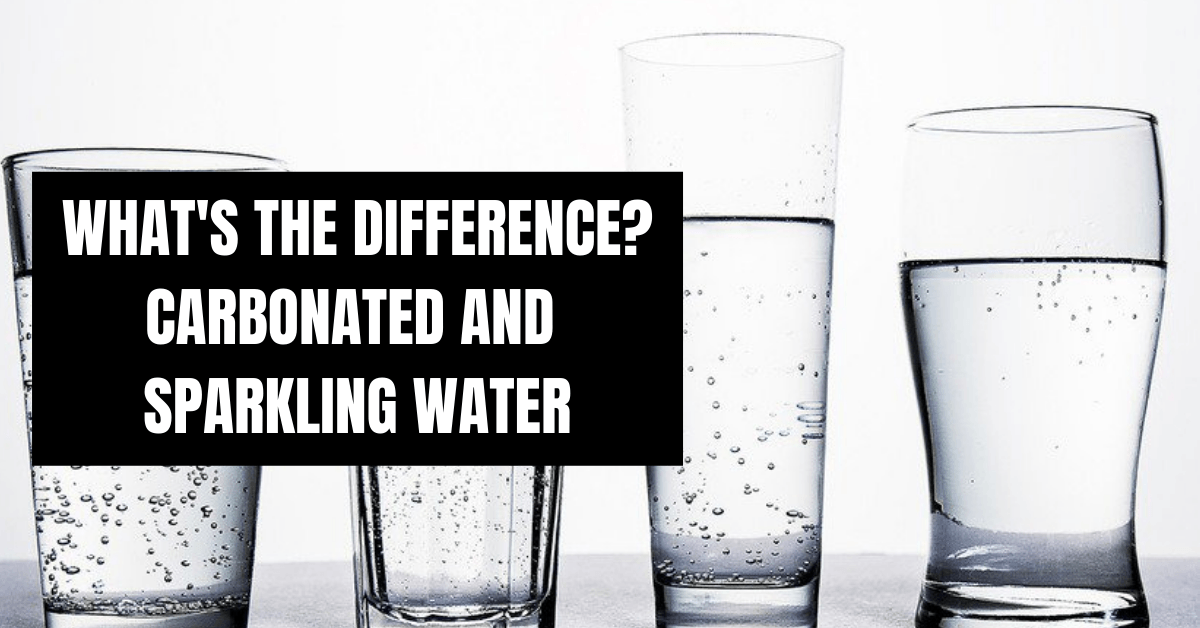 What's the Difference? Carbonated Water and Sparkling Water
Choose carbonated water for:
Mixing cocktails, making DIY soda syrups, or hydrating without added minerals. It’s cheaper and more versatile—just add a splash of juice for instant flavor.
Pro tip: If you’re watching sodium intake, check labels. Club soda contains sodium bicarbonate, while unsalted seltzer is a clean zero. Natural sparkling waters vary: San Pellegrino has about 40mg sodium per liter, while Perrier has less than 1mg.
Fun Little Facts to Impress Your Friends
Carbonated water was invented by accident in 1767 by English chemist Joseph Priestley. He suspended a bowl of water over a beer vat, and the fermentation gases bubbled through it. That’s right—the first fizzy water was an accidental beer byproduct.
Bottled sparkling water is older than you think. The French company Perrier began bottling its naturally carbonated spring water in 1863. Queen Victoria was a fan, which launched its chic reputation across Europe.
Your teeth might prefer sparkling water over soda, but beware: carbonation creates carbonic acid, which is mildly acidic. If you sip all day, you’re exposing enamel to a pH of about 4.5—safe in moderation, but don’t brush your teeth immediately after (you’ll scrub the softened enamel away).
The Final Fizz: A Reflection on Daily Life
In a world that often feels flat, a simple choice between carbonated and sparkling water can be a tiny, delightful act of intention. That burst of bubbles isn’t just refreshment—it’s a pause, a celebration of the ordinary.
Whether you reach for a mineral-rich San Pellegrino or a crisp can of LaCroix, you’re participating in a centuries-old tradition of saying: “I’m not just drinking water. I’m savoring this moment.”
So next time someone asks for “sparkling” and you hand them “carbonated,” smile knowingly. You’re not being pedantic—you’re honoring the playful, fizzy spirit that turns a sip into a story. And really, isn’t that a little bit of everyday magic?
