How Often Do Reverse Osmosis Filters Need To Be Changed

You know that satisfying glug-glug sound your reverse osmosis system makes as it dispenses water so pure it practically sparkles? It’s a quiet luxury, like having a personal c...

You know that satisfying glug-glug sound your reverse osmosis system makes as it dispenses water so pure it practically sparkles? It’s a quiet luxury, like having a personal cloud in your kitchen. But behind that crisp taste lies a little maintenance secret: those filters don’t last forever. Let’s decode the rhythm of replacement without turning your life into a science lab.
The Heartbeat of Your System
Think of your RO system as a team of tiny bouncers at an exclusive club. The sediment filter kicks out sand and rust, the carbon block neutralizes chlorine and bad vibes, and the semi-permeable membrane is the VIP section that only lets water molecules through. The post-filter gives that final polish. Each part tires at its own pace.
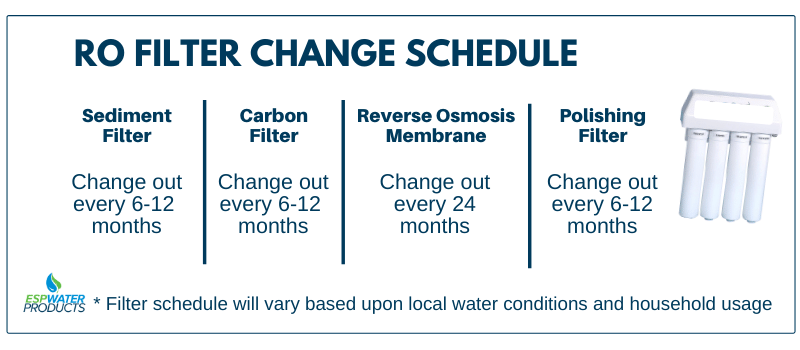
Most manufacturers recommend changing the sediment and carbon pre-filters every six to twelve months. The RO membrane itself is the marathon runner—it usually lasts two to three years. The final polishing filter? Swap it annually to keep that “just-bottled” finish. Yes, that means you’ll be buying a few packs of cartridges, but consider it a subscription to clarity.
Must Read
Fun fact: A single RO membrane can filter up to ten thousand gallons of water over its lifespan. That’s enough to fill a small swimming pool—or to make your morning coffee for the next decade without a single complaint.
Signs Your Filters Are Crying for Help
Your water will tell you when it’s unhappy. If the flow slows to a trickle or the taste starts smelling like a forgotten gym bag, it’s time for a change. A sudden spike in your water bill? That’s a classic sign the membrane is struggling and letting water waste away in the drain line.
Another telltale sign: white flakes or a cloudy appearance in your glass. That’s usually dissolved minerals getting through a tired membrane. Imagine your water having a little tantrum—it wants to be pure again. Don’t ignore it; your taste buds and your kettle will thank you.
Pro tip: Keep a simple log on your fridge or set a recurring calendar reminder. Your future self will high-five you when you’re not wrestling with a sluggish system at 7 AM on a Monday.
The Art of Not Overthinking It
Here’s the cultural wisdom: maintenance is mindfulness. The Japanese have a concept called mottainai—a regret over waste. Changing filters on schedule isn’t just about clean water; it’s respecting the machine’s effort. A well-maintained RO system lasts longer, wastes less water, and saves you from buying plastic bottles.
If you’re the type who names your appliances (no judgment, mine is called “Aqua”), you’ll notice patterns. Hard water areas? Expect to swap pre-filters every four to six months. If you’re on city water with low chlorine, you might stretch to nine. The membrane? A reliable two-year friend unless you detect a salty taste—then it’s time for a farewell.
A fun little fact: The first commercial RO systems were used on ships in the 1950s to desalinate seawater. Those sailors changed membranes every three years because saltwater is brutal. Your tap water is a spa day in comparison—so relax.
 How To Change Reverse Osmosis Filters
Practical Tips for the Busy Life
Buy a filter replacement kit with all stages included. It’s like a subscription box, but for your hydration. Change the pre-filters together—don’t try to be a hero and stretch one while the other limps along. Your membrane will last longer if its support team is fresh.
Got a smart phone? Use a water quality tester (they’re cheap online). A TDS reading below 20 ppm means happiness; above 50 ppm? Your membrane is waving a white flag. And never—ever—let a filter sit unused for more than two weeks without flushing it. Bacteria love stagnant filters like a cozy Airbnb.
Here’s a cultural nod: In many European coffee shops, baristas change their RO filters monthly to ensure espresso tastes like heaven. You’re not serving ten-dollar lattes, but your morning brew deserves that same reverence. Your taste buds are VIPs—treat them accordingly.
The Zen of the Swap
Changing filters can feel like a chore, but reframe it as a tiny ritual. Turn off the water, unscrew the housing, and marvel at the brown gunk that was your old sediment filter. That’s gratitude in a cup—you just kept that stuff out of your body. New filters click in like puzzle pieces, and the first glass afterward tastes like victory.
Most replacement jobs take under twenty minutes. That’s one sitcom episode, one podcast, or half a yoga video. You can even rope in a curious kid or partner—it’s oddly satisfying to see the water flow return to full strength. Bonus points for using the old filters to water plants (the chlorine is gone, but minerals remain—your fern will thrive).
If you travel a lot, install a shut-off valve and flush the system before leaving. When you return, swap filters if you were gone more than a month. Nothing says “welcome home” like a glass of water that doesn’t taste like airplane air.
Final Reflection
In the grand symphony of daily life, changing your RO filters is a quiet note—easy to skip, but essential for harmony. It’s a small, intentional act that says, “I value the things that sustain me.” We schedule dentist appointments and car oil changes; why not the vessel that carries every sip you take?
The next time you fill a glass, pause for a second. That cold, clear liquid isn’t magic—it’s engineering paired with your attentiveness. Clean water is the ultimate everyday luxury, and you’re the curator of its quality. So set that reminder, buy that kit, and let your taps sing. Your body, your coffee maker, and your future self will drink to that.
