Difference Between Repair And Replacement For A Softener

Your water softener is a workhorse. It fights the good fight against hard water every single day. But what happens when it starts to cough, sputter, or just give you the silen...
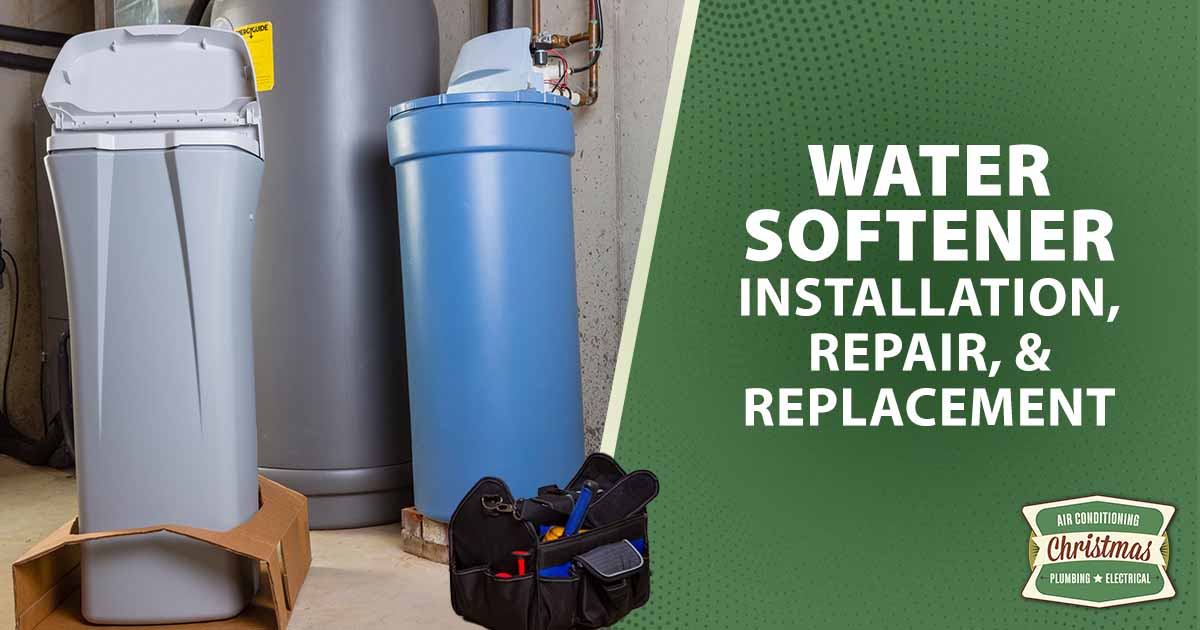
Your water softener is a workhorse. It fights the good fight against hard water every single day. But what happens when it starts to cough, sputter, or just give you the silent treatment? Suddenly, you face a big question: should you repair it or just replace the whole thing? Don't panic. We're going to crack this code together, like best friends solving a silly mystery.
Think of your softener like a grumpy old car. A repair is like swapping out a flat tire. A replacement is like buying a shiny, new Tesla. One fix costs a little time and cash. The other is a serious commitment. Which one you choose depends on a few hilarious—okay, maybe just practical—factors.
The "It's Just Tired" Phase: When to Repair
Sometimes, your softener just needs a little TLC. A gurgling noise? A tiny leak? These are not death knells. They are cries for help. Repair is the hero in this story, and it wins about 80% of the time for minor issues.
Must Read
First, check the resin beads. These tiny plastic pearls are the actual magic. They grab the calcium and magnesium and swap them for sodium. If a few are broken or dirty? You can replace just the resin. It’s like giving your softener a new heart without touching its body.
Second, look at the control valve. This is the brain of the operation. A stuck valve can stop regeneration cold. A $50 part and a little elbow grease can fix it. You don’t need to buy a whole new machine for a sticky brain.
Third, check the brine tank. Is it full of salt bridges? Those hard crusts of salt that look like alien bones in your basement? Smash them with a broom handle. That’s a repair, not a replacement. And it’s oddly satisfying.
Fun Fact: The "Salt Creep" Phenomenon
Here’s a weird truth: salt can actually mushroom in your tank. It grows upward like a stalagmite. This creates a hollow void under the crust, so the water can’t get to the salt. Your softener acts like it’s full, but it’s starving. Breaking that crust is pure, cheap victory. No new machine needed.
The "It's Dead, Jim" Phase: When to Replace
Now, the harder truth. Some softeners are just too old to save. If your unit is fifteen years old, it’s probably on its last legs. Think of it like a grandparent who still tells the same stories. You love them, but they can’t run a marathon. Replacement becomes the kindest option.
A major clue: rust. When the inside of the tank starts corroding, it’s game over. Rusty water means the tank is breaking down. You can’t patch rust that’s inside the walls. That’s like putting a bandage on a broken bone. Time to shop for a new model.
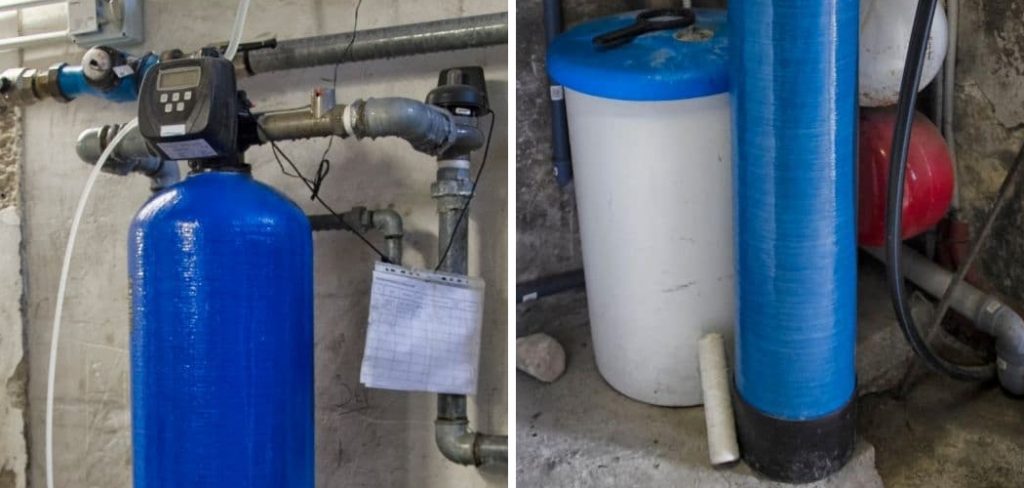 How to Fix Water Softener Leaks | 7 Effective Ways (2024)
Another red flag: constant low pressure. If you’re taking tiny showers because your softener is acting like a clogged artery, a repair might not fix the underlying clog. Sometimes, the whole resin bed has turned into a slimy, useless mess. Replacement is the only cure.
Fun Fact: The "Medieval Technology" Problem
Old softeners often use metered regeneration. That means they regenerate every few days, whether you use water or not. It’s wasteful. Newer models use demand-initiated regeneration. They only clean when they actually need to. This saves water and salt. So replacing an old unit isn’t just fixing a problem—it’s an upgrade to modern efficiency. Your old one was basically a medieval knight in rusty armor.
The Cost Conundrum: Dollars and Sense
Here’s the punchline: Repair costs about $150–$400. That’s a dinner out for a family of four, maybe a nice one. Replacement costs $500–$2,500+. That’s a weekend getaway. You decide which fits your life better. If the repair is more than half the cost of a new unit? Just replace it. Don’t be sentimental.
A quirky rule of thumb: the "5-Year Rule". If your softener is under 5 years old, repair it. If it’s over 10, replace it. The 5-to-10 year zone is a gray area. Look at the repair cost. If it’s under $300, fix it. Over $300? Say goodbye and thank it for its service.
The Final Verdict: Listen to Your Water
Your water will talk to you. Seriously. Hard water leaves white spots on dishes like a secret message. Slippery skin (that’s good) turns into sticky, filmy skin (that’s bad). If your softener isn’t softening, it’s telling you something. Listen. Is it a squeaky wheel? Or a dead battery?
One last quirky fact: softeners can actually drown themselves. If you get a flood of water in your basement, that’s a catastrophic failure. Don’t even think about repairing a flooded softener. It’s like trying to bring a soggy book back to life. Just throw a funeral, and buy a new one.
So, friend, which path will you choose? Repair for the young and hopeful. Replacement for the old and broken. Either way, your water will thank you. And you’ll have a hilarious story to tell at the next neighborhood cookout. “Remember when my softener grew a salt stalagmite?” Classic.
