Which Filter Requires The Least Amount Of Water To Clean

Alright, gather round, fellow humans who have better things to do than babysit a water filter. Let’s talk about the unsung hero of your kitchen counter: the filter that doesn’...

Alright, gather round, fellow humans who have better things to do than babysit a water filter. Let’s talk about the unsung hero of your kitchen counter: the filter that doesn’t turn you into a water-wasting monster. We all know the struggle—you want clean water, but you don’t want to drain a swimming pool just to get a glass of it. The real question is: which filter requires the least amount of water to clean? Spoiler alert: it’s not the one that looks like a sci-fi prop.
The Thirsty Aliens (Reverse Osmosis)
Let’s start with the elephant in the room—or should I say, the thirsty alien. Reverse Osmosis (RO) systems are the rockstars of filtration, but they drink like a frat party. For every gallon of clean water they produce, they spit out three to four gallons of wasted water down the drain. That’s like buying a coffee and having the barista toss three cups in the trash just to make one.
Sure, the water tastes like angel tears, but your water bill will look like a ransom note. Fun fact: Some RO systems waste 20 gallons of water to fill a single Brita pitcher. Yes, that is a real statistic, and yes, plumbers hate this one weird trick. If you’re using one, you’re basically funding the ocean expansion project.
Must Read
The Slow Dripper (Gravity Filters)
Next up is the gravity filter—the slow, patient one that looks like a plastic church. You know the type: you pour water in the top, and it drips down at the speed of a sloth on vacation. These guys waste almost zero water. Why? Because they don’t have a flush or a backwash cycle. They just let the water fall through a ceramic or carbon core, and what comes out is mostly good enough.
The catch? They’re slow. Like, “I’ll pour the water, go watch a movie, and come back for a sip” slow. Another fun fact: If you use a gravity filter, you save about 1.5 gallons of water per week compared to an RO system. That’s enough to save the planet, or at least water your one sad houseplant. But be warned: if you have hard water, the filter will clog faster than your dad’s arteries at a barbecue.
The Carbon Block Cowboy (Under-Sink Filters)
Now, let’s talk about the under-sink carbon block filter. This guy is the Goldilocks of the water world. It uses zero wasted water during cleaning, because it doesn’t flush anything. You install it, it sits under the sink like a secret agent, and it purifies water by trapping gunk in a dense carbon brick. The kicker? You never notice it’s there.
But here’s the twist: carbon blocks need to be replaced every six months, and when you throw the old one away, it’s full of trapped contaminants. That’s not water waste—it’s garbage waste. And garbage waste doesn’t hurt your water bill, just your guilt about the landfill. If you’re counting, most carbon filters waste 0% of water during operation. That’s a perfect score.
The Countertop Charade (Kettle Filters)
What about those cute, countertop filters that look like a glass teapot? You know, the ones with a spout and a little charcoal stick inside? They waste absolutely nothing, as long as you don’t count the few teaspoons you spill while pouring. They work like a charm for tap water that’s just a bit funky—like that weird metallic taste from old pipes.
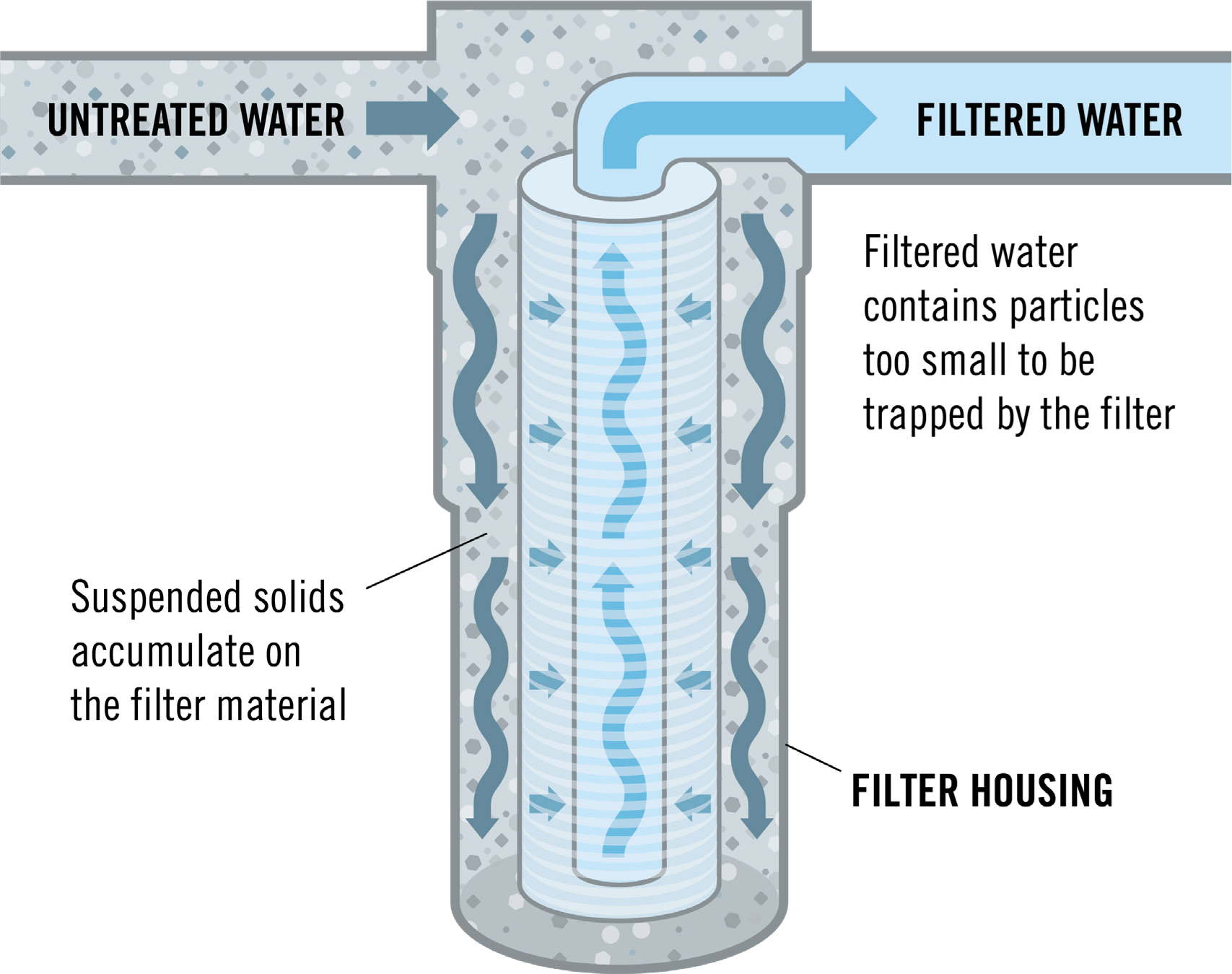 Household Water Treatment: Mechanical Filtration Methods and Devices
But here’s the joke: they rely on the charcoal stick being the size of a pencil. After a month, that stick is so slimy it looks like a swamp creature’s finger. You’ll rinse it, and then you’ll wonder if you just washed the filter or contaminated it. The water waste? Less than a cup per rinse. The entertainment value? Through the roof.
The Surprising Winner: The Distillation Pit
Hold on to your mugs, because the real champion is distillation. Yes, that old-school method where you boil water and collect the steam. It sounds like a chemistry class experiment from hell, but distillers waste only a tiny amount of water—usually the leftover minerals that you dump out. That’s about one cup for every gallon you make.
But here’s the hilarious downside: distillation uses a ton of energy. It’s basically a tea kettle that wants to be a power plant. You’ll use enough electricity to power a small lamp for an hour, just to get a glass of water. Fun fact: Distillation removes everything, including fluoride, which your dentist will not be thrilled about. So you save water but sacrifice your teeth’s mood.
The Final Showdown (What to Pick)
So, which filter requires the least water to clean? The answer is gravity filters and carbon block filters—they waste zero water during use. They’re the minimalist ninjas of the filtration world. If you want to be a water hoarder, go for a ceramic gravity system or a carbon under-sink model. You’ll give Mother Nature a high-five.
But if you’re a coffee drinker with no patience, just use a Brita and stop worrying. Seriously. The average Brita pitcher wastes about a tablespoon of water when you clean it. That’s less than a single tear from a raincloud. And if you’re still panicking about water waste, just stop showering for a day. You’ll save 30 gallons and nobody will sit next to you on the bus. Problem solved.
Remember: the best filter is the one you actually use. And if it saves water, you get to brag about it at your next boring dinner party. Cheers to that.
