Is There A Difference Between Club Soda And Seltzer Water

So you’re standing in the grocery aisle, hand hovering over two identical-looking bottles of fizzy water. One says club soda, the other says seltzer. You squint. You sigh. You...
So you’re standing in the grocery aisle, hand hovering over two identical-looking bottles of fizzy water. One says club soda, the other says seltzer. You squint. You sigh. You wonder if this is the biggest decision of your adult life. Spoiler: it’s not, but it is a mystery that deserves solving before your next gin and tonic gets ruined.
The Short Answer (for the impatient)
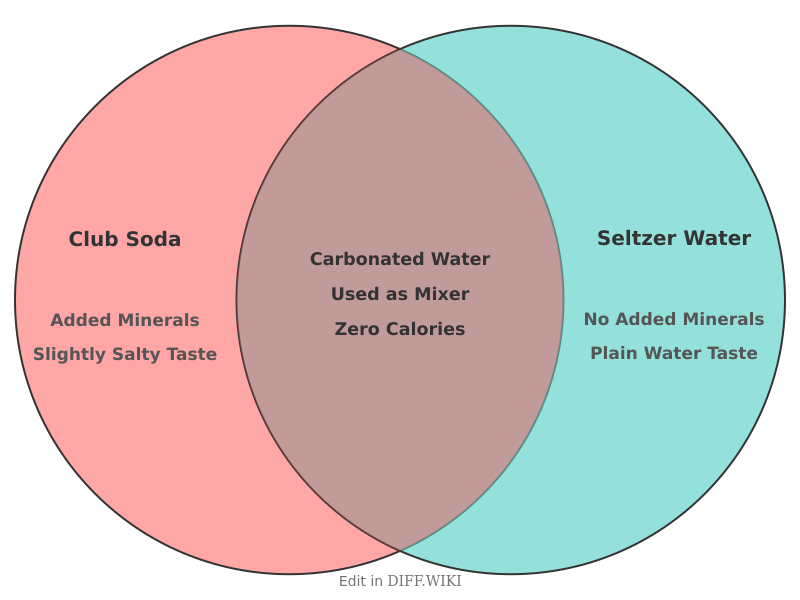
Yes, there is a difference, but it’s not the kind that requires a PhD in beverageology. Think of them as cousins who grew up in the same neighborhood but took slightly different career paths. Club soda always has added minerals. Seltzer? It’s just carbonated tap water pretending to be fancy.
What Is Seltzer, Really?
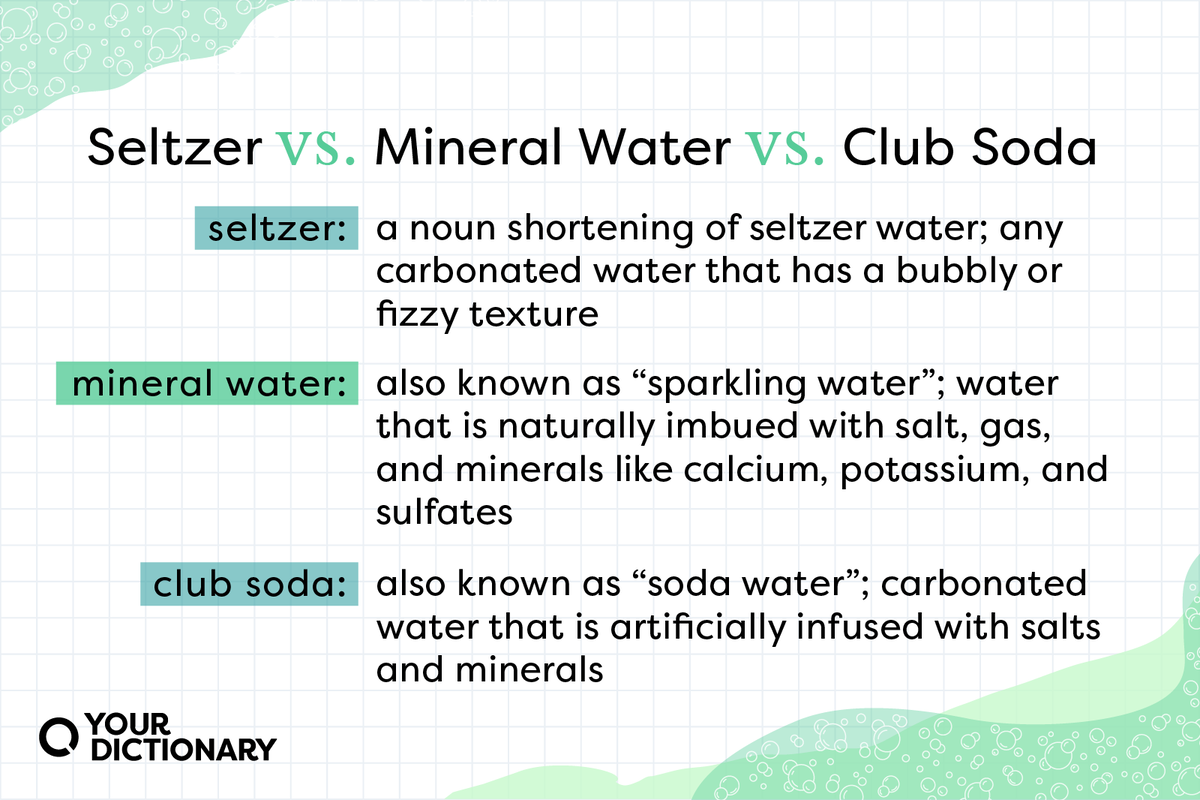
Seltzer is the minimalist of the bubble world. It’s plain water that’s been injected with carbon dioxide under pressure—nothing more, nothing less. No minerals, no salt, no attitude. It’s the plain toast of sparkling water. You drink it because you want bubbles, not because you crave a flavor profile.
Must Read
Surprising fact: the name “seltzer” actually comes from Niederselters, a German town that once had a famous natural spring. But modern seltzer is so stripped down that the spring would probably weep if it knew. Imagine naming your kid after a mountain, then raising them in a basement with no windows.
Club Soda: The High-Maintenance Cousin
Club soda isn’t just carbonated water—it’s carbonated water with added minerals like sodium bicarbonate, potassium sulfate, and sometimes a pinch of table salt. These minerals give it a slightly crispier, more “biting” taste than seltzer. It’s like seltzer’s older sibling who went to a finishing school and now insists on proper table manners.
That subtle saltiness is why bartenders love club soda for highballs and cocktails. It doesn’t just fizz; it frames the booze. If seltzer is a plain white t-shirt, club soda is that same shirt with a hint of cologne and a tailored fit. You’ll notice it, but you can’t quite put your finger on why.
The Taste Test (or, Your Tongue’s Opinion)
Pop quiz: blindfold yourself, drink both, and see if you can tell the difference. For most people, club soda tastes slightly “mineral-y”—like someone whispered “salt” into a glass of water. Seltzer tastes like… well, water that got electrocuted. Both are crisp, but one has a tiny spine of flavor.
Pro tip: try mixing a vodka soda with club soda versus seltzer. With seltzer, the vodka beats you over the head. With club soda, it’s like the vodka is wearing a velvet jacket—smoother, more refined. You’ll feel like a classy drunk either way, but club soda makes you feel smarter.
The Great Tonic Water Misunderstanding
While we’re here, let’s clear up a common disaster: tonic water is not the same as club soda or seltzer. Tonic contains quinine (a bitter compound from the cinchona tree) and a ton of sugar or high-fructose corn syrup. It’s basically a medicinal soda pop that was originally drunk to prevent malaria. Yes, you read that right: your gin and tonic is a malaria prevention cocktail from the 1800s. Cheers to imperialism, I guess?
 Soda Vs Water Club Soda
If you swap club soda for tonic, your drink will taste like sad, fizzy sadness. Do not recommend.
When to Use Which (Life Hacks for Adults)
Here’s your cheat sheet: use seltzer when you want pure, unadulterated bubbles—mixing with juice, hydrating without calories, or pretending you’re on a health kick while still drinking fizz. Use club soda when you’re making cocktails, especially things like a Tom Collins, a Mojito, or a highball where you want the liquid to do some heavy lifting.
Dare I say it? Club soda also works better in baking. That extra salt can help yeast rise and give your pancakes a fluffier texture. Yes, I’ve made club soda pancakes. No, I’m not ashamed. Just a little carbonated and proud.
The Environmental Plot Twist
Here’s a shocking fact: both club soda and seltzer are typically made from the same municipal tap water in a factory. That means the fancy bottle of “Italian mineral seltzer” you bought? It’s probably just filtered water from a plant in New Jersey that got a bubble enema. But hey, branding is powerful—like believing a $50 t-shirt is “boho chic” when it’s just cotton from a warehouse in Bangladesh.
The real environmental villain is the single-use plastic bottle, not the type of fizz. So if you’re feeling fancy, get a Sodastream and make your own. Then you can argue with yourself about whether to add the “mineral blend” packet. Spoiler: you probably won’t bother.
The Final Verdict (Served with a Lime)
At the end of the day, the difference is subtle but real. Club soda has minerals that give it a tiny edge in taste and mixology. Seltzer is the honest, no-makeup version. Both are infinitely better than flat water in a hot car.
So next time you’re at the store, buy whichever one is on sale. Or pick the one with the prettier label. I promise, your taste buds will forgive you. Life’s too short to stress over bubbles—just make sure they’re cold. That’s the only rule that really matters.
