Whats The Difference Between Sparkling Water And Club Soda

Raise your hand if you’ve ever stood in the grocery aisle, staring at two cans of fizzy water, totally baffled. You are not alone. This is the great carbonated confusion of ou...

Raise your hand if you’ve ever stood in the grocery aisle, staring at two cans of fizzy water, totally baffled. You are not alone. This is the great carbonated confusion of our time: sparkling water versus club soda.
Let’s be honest—they look identical. Both are clear. Both bubble. Both promise a crisp, refreshing escape from flat tap water. But are they actually the same thing?
Spoiler alert: Nope. They are fizzy cousins, not identical twins. And the difference is weirder and more fun than you think.
Must Read
The Secret Ingredient
Here’s the big reveal: club soda has added minerals. Sparkling water does not. That’s it. That’s the whole plot twist.
Those minerals—like potassium bicarbonate or sodium citrate—give club soda a slightly salty taste. It’s subtle, but your tongue notices. Think of it as the “savory” cousin of the fizzy family.
Sparkling water is just water with carbon dioxide gas forced into it. Pure. Simple. No extras. It’s the minimalist friend who only owns one pair of shoes.
Wait, What About Seltzer?
Oh, you thought we were done? Seltzer enters the chat. Seltzer is also just carbonated water—no minerals added. So, technically, sparkling water and seltzer are the same thing.
But club soda? It’s seltzer’s fancy, mineral-infused cousin who orders “sparkling mineral water” at brunch. Yes, the naming is ridiculous. Welcome to the fizz economy.
If you want to impress a bartender, know this: club soda’s minerals mimic the taste of natural mineral water. But it’s still an artificial creation. Mind blown yet?
The Taste Test (and Why You Care)
Open a can of sparkling water. It tastes like… water. Crisp. Clean. A little bit like a secret handshake with bubbles.
Now open a club soda. Notice a tiny hint of mineral? Maybe a whisper of salt? That’s the potassium and sodium at work. It’s not salty like a pretzel—it’s just… extra.
Here’s the real kicker: if you mix a cocktail, club soda is the MVP. The minerals help mimic the flavor of quinine or tonic water. Gin and tonic lovers, pay attention. Your drink will taste more authentic with club soda. Seriously.
Quirky Fact You’ll Tell at Parties
Did you know club soda was invented by a dude named John Matthews in 1864? He was an English pharmacist. His goal? Create a cheap alternative to natural mineral waters from European springs.
So, every time you order a club soda, you’re sipping a 160-year-old hack. A Victorian-era lifehack. Your great-great-grandpa would totally approve.
Sparkling water, however, has been around since the 1700s. British scientist Joseph Priestley discovered how to infuse water with carbon dioxide. He called it “impregnated water.” Sounds way less appealing, right?
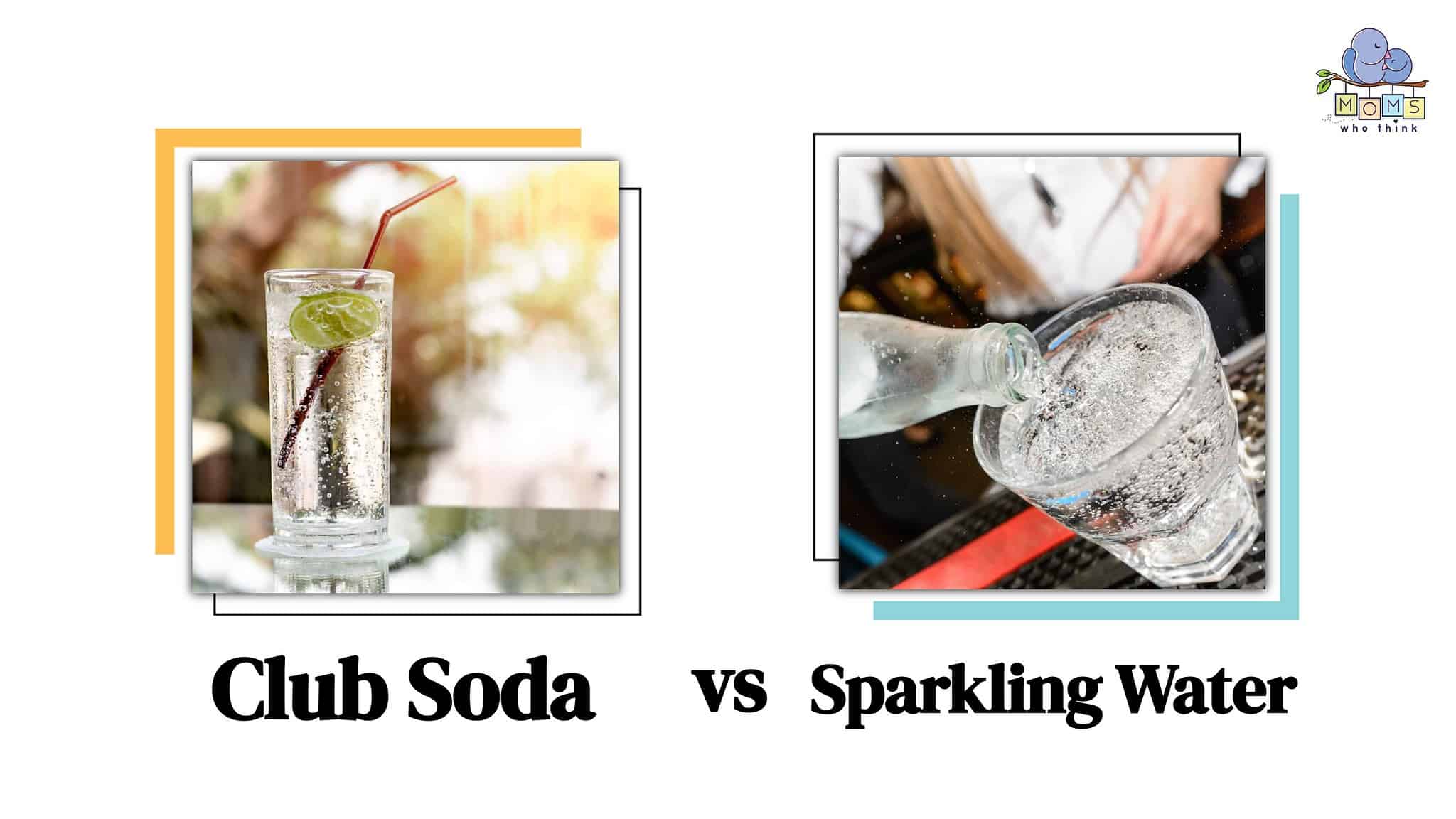 Club Soda vs. Sparkling Water: How They're Different & Can They Be
Health Nerd Stuff (But Fun)
Are they both fine to drink? Yes. Unless you’re watching your sodium intake. Club soda has a tiny amount of sodium—about 20-30 mg per can.
Sparkling water? Literally zero sodium. So if your doctor said “cut the salt,” grab the sparkling water. Your heart will high-five you.
Some people worry carbonation is bad for teeth. News flash: it’s mainly the sugar in soda that’s the villain. Plain fizzy water? Nearly harmless. (Though flavorings with citric acid can be rough—watch out, lemon-lime fans.)
The Great Flavor War
Now comes the wild part: flavored sparkling waters. LaCroix, Bubly, Waterloo—they’ve taken over the world. But are they sparkling water or club soda? Trick question. They’re carbonated water with natural flavors added. Usually no minerals.
So that can of LaCroix sitting in your fridge? It’s sparkling water, not club soda. Unless the label says “club soda” or “mineral water.” Check the back. I dare you.
And here’s a funny detail: some brands still use the term “soda water” interchangeably with club soda. It’s a mess. A bubbly, beautiful mess.
Why This Topic Is Actually Fun
Because it’s a battle of nothing vs. almost nothing. We’re debating the merits of two types of fizzy water. That’s absurdly specific—and that’s why it’s great.
Next time you’re at a dinner party, you can look someone in the eye and say, “You know, the difference between sparkling water and club soda is a pinch of salt and 150 years of marketing.” They will be delighted.
Or they will slowly back away. Either way, you win. You’re now the fizzy water guru.
Final Micro-Bubble of Wisdom
So here’s your cheat sheet: Sparkling water = pure H2O + bubbles. Club soda = sparkling water + mineral magic. Seltzer = same as sparkling water, but pretentious.
If you’re mixing drinks, grab club soda. If you’re hydrating after a run, grab sparkling water. If you’re trying to sound fancy, call it “seltzer.”
Now go forth and fizz. Your palate has officially leveled up. And remember: next time someone says “all bubbly water is the same,” you can casually drop some knowledge. You’re welcome.
