Top-rated Uv Treatment Systems For Non-potable Water Reuse

Let’s face it: the average person’s relationship with water is a little bit like a bad rom-com. We treat it like a one-night stand—use it, waste it, then flush it away without...
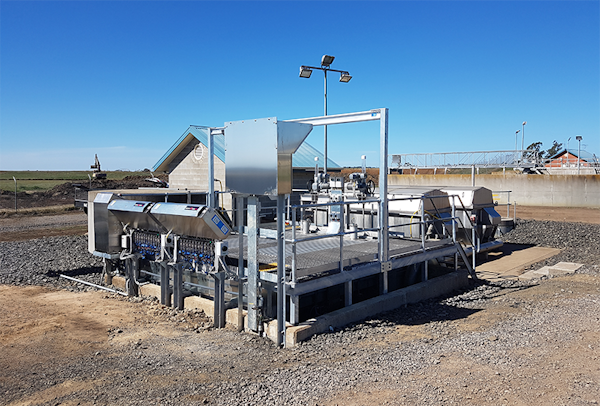
Let’s face it: the average person’s relationship with water is a little bit like a bad rom-com. We treat it like a one-night stand—use it, waste it, then flush it away without a second thought. But what if we could give that H₂O a second act? Welcome to the quiet revolution of non-potable water reuse, where yesterday’s shower water becomes tomorrow’s lush lawn, all thanks to some seriously cool UV tech.
We’re not talking about drinking your bathwater (please don’t). Instead, we’re talking about reusing it for irrigation, car washing, and even toilet flushing. It’s like giving your home a second spine—functional, practical, and way more sustainable than you’d think. And the star of this show? Ultraviolet (UV) treatment systems, the silent heroes that zap pathogens without chemicals or weird smells.
The UV Glow-Up: Why It Works
Think of UV treatment as a microscopic tanning bed for bacteria, minus the coconut oil. Short-wave UV light (specifically UV-C) penetrates the DNA of microorganisms, scrambling their ability to reproduce. This is not guesswork; it’s physics. A study from the Water Environment Federation shows that UV can achieve up to 99.99% reduction in pathogens for reclaimed water when designed correctly.
Must Read
Unlike chlorine, which can leave a nasty aftertaste (or smell like a public pool), UV leaves no chemical residue. It’s the Marie Kondo of water treatment: it sparks joy by removing the bad stuff and leaving only the good. Plus, it works fast—seconds, not hours—which means your irrigation system can run while you sip your morning espresso.
Top-Rated Systems for the Modern Homeowner
Not all UV systems are created equal. For non-potable reuse—think greywater from sinks, showers, and washing machines—you need a system that can handle a higher load of solids and variable flow rates. Here are three that the pros are buzzing about.
1. The Viqua VH410: The Workhorse
This is the pickup truck of UV systems—rugged, reliable, and built for continuous operation. It handles up to 20 gallons per minute, making it perfect for larger households that want to irrigate a garden (or a jungle). It uses a high-output lamp that lasts about 9,000 hours, and includes a smart controller that tells you when to replace it.
Fun fact: Viqua is a Canadian brand, so you know it’s designed for those harsh, real-world winters. It’s like the Tim Hortons of water treatment—always there when you need it.
2. The Trojan UVMax Eco: The Minimalist
Trojan is the Apple of the UV world—sleek, simple, and slightly overpriced but totally worth it. The UVMax Eco is designed specifically for greywater systems. It features a low-pressure lamp that’s incredibly energy-efficient; it uses less power than a 60-watt bulb while treating up to 12 GPM.
Installation is a breeze, with a modular design that clips into existing PVC pipes. It’s the system for the person who wants “set it and forget it” without sacrificing aesthetics. The LED indicator even glows a satisfying blue when working—hello, modern kitchen vibe.
3. The Atlantic Ultraviolet Ster-L-Ray: The Heavy Lifter
If you’re dealing with high-turbidity water (think: lots of laundry suds and organic matter), this is your contender. The Ster-L-Ray uses a high-intensity lamp and a specially designed quartz sleeve that can handle up to 30 GPM. It’s the choice for commercial applications, but also for ambitious homeowners who want to reuse water for a vineyard-sized lawn.
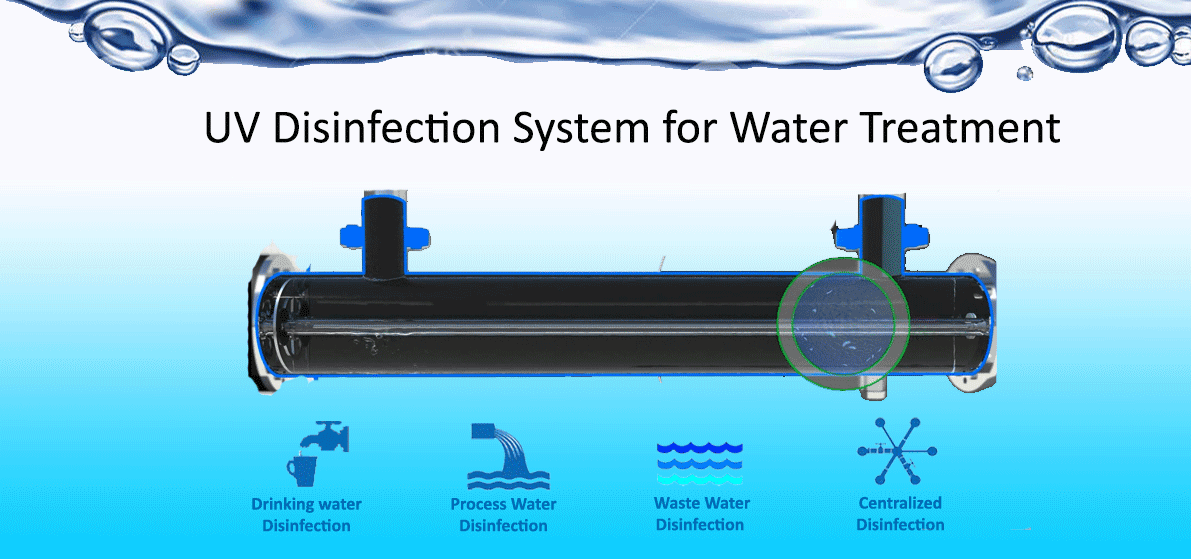 What Is The Best Disinfection System For Water Treatment | Detroit
Cultural reference alert: Think of it like the Ferrari of UV systems—over-engineered, high-performance, and possibly too much for a city apartment. But for a ranch or suburban homestead? It’s glorious.
Practical Tips for Getting Started
Before you buy, remember: UV is not a filter. It kills germs, but won’t remove dirt, soap scum, or lint. You’ll need a pre-filter (sediment and maybe a carbon filter) before the UV chamber. It’s like having a bouncer at a club who checks IDs before the VIP lounge.
Secondly, test your water’s turbidity. If you can’t see the bottom of a bucket, the UV light won’t penetrate well. Aim for water clarity of less than 1 NTU (nephelometric turbidity units—yes, it’s a mouthful). Pro tip: use a simple test kit from Amazon. It costs $15 and saves you from a headache later.
Finally, size matters. A small UV system on a big house will be like a single bartender at a wedding—overwhelmed and ineffective. Calculate your peak water use (usually morning showers + sprinklers) and buy a system rated for 1.5 times that flow. Trust me, your garden will thank you.
Cultural References and Fun Facts
Did you know that NASA has been using UV treatment for water reuse on the International Space Station since the 1990s? That’s right—astronauts are basically drinking purified urine (after UV and multi-step filtration). If it’s good enough for floating in space, it’s good enough for your petunias.
And in a twist worthy of a Bridgerton plotline, ancient Romans used UV from sunlight to purify their water in shallow pools. They called it “the sun’s kiss.” Today, we just call it a lightbulb, but the science is the same—just faster and without the toga.
Reflection: A Ripple in Everyday Life
Here’s the real magic: using a UV system for non-potable water reuse isn’t just about saving a few dollars on your water bill (though that’s nice). It’s about rethinking our relationship with waste. Every time you turn on the hose to water your basil, you’re telling a story: the water that once rinsed shampoo from your hair is now feeding a tomato plant.
So the next time you flush or wash your hands, smile. That water has a future—a sunny, UV-treated future. And maybe, just maybe, we can all be a little more like that water: resilient, resourceful, and always ready for a second chance.
