What's The Difference Between Regular Salt And Canning Salt

You know that moment? You reach for the salt shaker, give it a good shake over your dinner, and absolutely nothing comes out. You unscrew the top to find a solid, grayish-whit...

You know that moment? You reach for the salt shaker, give it a good shake over your dinner, and absolutely nothing comes out. You unscrew the top to find a solid, grayish-white brick staring back at you. Welcome to the world of moisture, the sworn enemy of table salt.
We’ve all been there. It feels like a tiny betrayal from your kitchen. But here’s the thing: if you had a different kind of salt in that shaker, that sad little brick would never have formed.
That different kind is canning salt. Also called pickling salt, it’s the quiet, hardworking cousin of regular table salt. And once you know the difference, you’ll want to keep a box of it around for more than just making pickles.
Must Read
The Simple Science (No Lab Coat Required)
Regular table salt is usually iodized. Iodine is a nutrient added to help prevent thyroid problems, which is great for your health but terrible for your brine. It can make pickles turn a weird, murky brown color.
But the bigger difference is anti-caking agents. That’s the stuff (like calcium silicate) that keeps your table salt flowing on rainy days. These agents work, but they also float around in your jar, making your brine look cloudy and unappetizing.
Canning salt is pure. It’s just sodium chloride, nothing else. No iodine, no anti-caking chemicals. That purity makes it dissolve with crystal clarity, leaving your brine as clear as a mountain stream.
That is the secret. If you’ve ever wondered why grandma’s pickles looked like jewels in a jar, it’s because she used this stuff.
Real-Life Smackdown: Table Salt vs. Canning Salt
Let’s paint a picture. It’s a hot July afternoon. You’ve got a pile of fresh cucumbers from the farmer’s market. You’re feeling like a homesteading hero. You make a brine with regular table salt.
A week later, you open the jar. The pickles taste fine, but the liquid is murky and cloudy. It looks like swamp water. You’ll eat them, but you probably won’t serve them to guests without an apology.
Now, imagine the same scene, but you used canning salt. You open that jar, and the brine is crystal clear. You can see every single dill seed and garlic clove floating in there. You feel like a professional chef. That’s the visible payoff.
But Wait, I Don’t Can Anything!
That’s fair. But here’s where it gets fun for everyday cooking. Remember that salt brick in your shaker? Canning salt doesn’t clump. None. Not even a little bit.
I keep a small shaker of canning salt next to my stove for this exact reason. It pours perfectly every single time, even on the steamiest August day. No shaking, no tapping, no unscrewing lids to stab it with a fork.
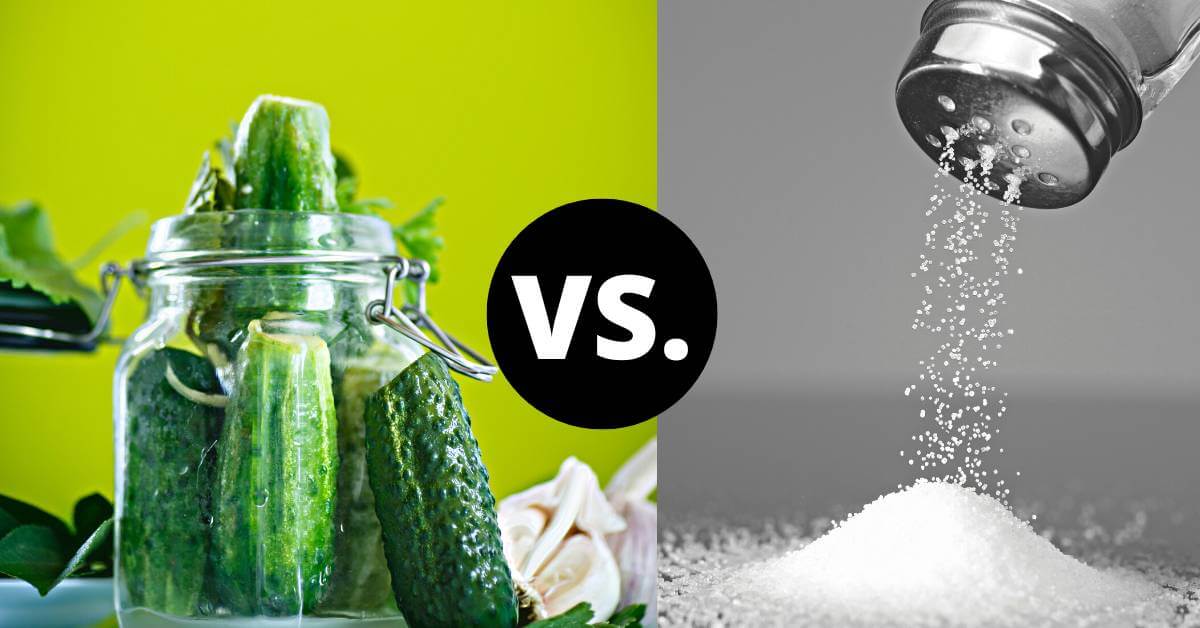 Canning Salt vs Table Salt: Key Differences Explained - Food Prep Guide
It’s also finer than regular salt. The grains are tiny and dissolve almost instantly. This makes it a champion for things like popcorn. Sprinkle canning salt on warm, buttery popcorn, and it sticks to every kernel like a dream. Table salt often rolls right off and lands in the bottom of the bowl.
Use it for salting pasta water. It dissolves so fast that you can dump it in and start adding noodles immediately. No waiting for the water to re-boil to melt the salt crystals.
The One Crucial Warning (Don’t Ignore This!)
Here’s the catch: because canning salt is pure, it is more potent by volume than table salt. Regular salt has all those anti-caking fillers taking up space. Canning salt doesn’t.
If a recipe says “one teaspoon of table salt,” and you use one teaspoon of canning salt, you might end up with a very salty dish. The ratio is roughly 1 ½ teaspoons of table salt to 1 teaspoon of canning salt.
Always taste as you go. This is not the time to be a hero and just dump it in. A little caution prevents a ruined casserole.
So, Should You Buy It?
If you are a serious pickle maker, you absolutely must. It’s non-negotiable if you want pretty jars. But even if you aren’t, consider this: canning salt is your new best friend for every day.
It’s the salt that never clumps. It’s the salt that dissolves instantly. It’s the salt that makes your popcorn taste like a movie theater concession stand. It’s also usually cheaper than fancy sea salts, and you get a big box of it. A box lasts forever because you don’t need as much.
The only downside? It looks boring in a salt shaker. It’s pure white, without the pretty pink or gray flecks of gourmet salt. But honestly, once you taste how clean it is, you won’t care.
So next time you’re at the grocery store, walk down the canning aisle. Grab that blue or yellow box of canning salt. Put it in your pantry. Your pickles (and your future self) will thank you. No more gray bricks. Just perfect, happy salt.
