Difference Between Distilled Water And Reverse Osmosis Water

Last week, my friend Sarah called me in a panic. She’d just bought a fancy new countertop water filter, and the box screamed “Reverse Osmosis!” in big, bold letters. “But my m...
Last week, my friend Sarah called me in a panic. She’d just bought a fancy new countertop water filter, and the box screamed “Reverse Osmosis!” in big, bold letters. “But my mom always says distilled is the only pure water,” she whined, “and now I’m terrified I’ve poisoned my houseplants.” I could almost hear her eyes rolling through the phone. Look, I get it—the water aisle at the grocery store is basically a science lab where nobody gave us the manual.
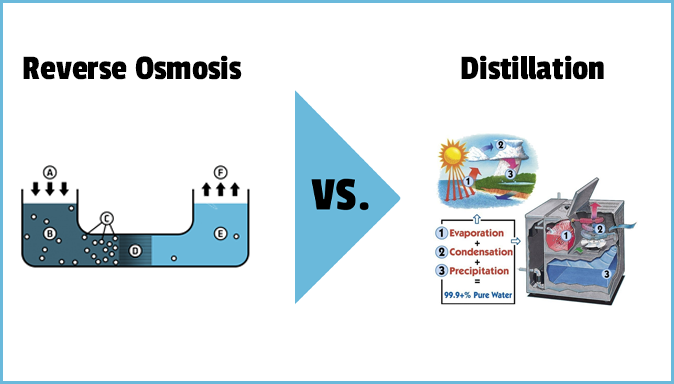
So let’s clear the air (and the water). Distilled and reverse osmosis (RO) water aren’t enemies; they’re just different cousins at the same family reunion. Both remove impurities, but they do it through wildly different methods. And yes, your houseplants might have an opinion on the matter.
The Boiling Truth About Distilled Water
Distillation is basically steam gossip. You heat water until it turns into vapor, leaving all the minerals, bacteria, and heavy metals behind—like uninvited guests stuck at a party. The clean steam then cools back into liquid in a separate container. It’s simple, ancient, and honestly kind of elegant. But it’s also a bit of a drama queen.
Must Read
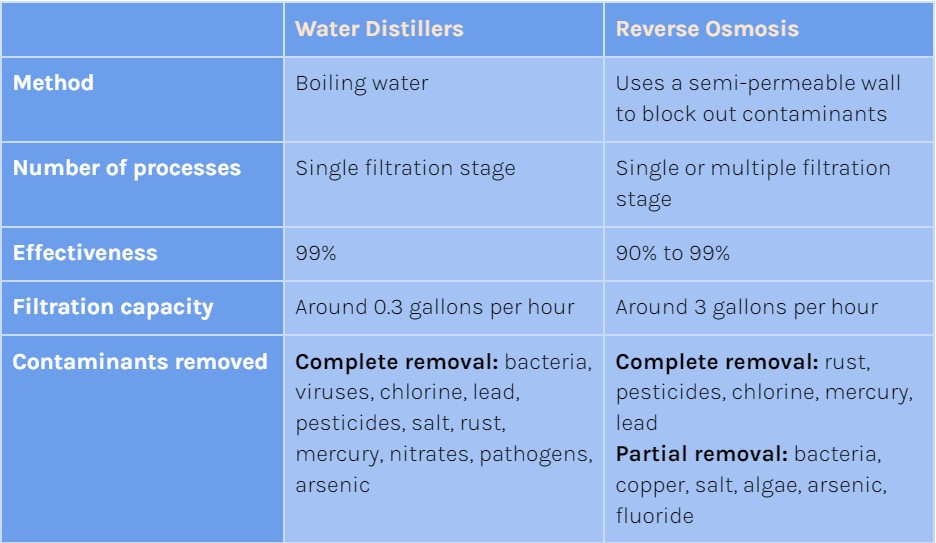
Here’s the kicker: distillation strips away everything, including the good stuff. Your water becomes so pure it’s almost aggressive. (Think of it as the Marie Kondo of water: “Does this calcium spark joy? No? Then it’s gone.”) That means drinking it long-term can leave you slightly mineral-deficient, unless you’re eating a nutrient-packed diet. Also, the process takes forever—like, imagine waiting for a pot of water to boil, but way slower. And it eats up electricity. Not exactly eco-friendly.
People love distilled water for lab experiments, CPAP machines, and car batteries. Why? Because zero dissolved solids mean zero weird chemical reactions. But for your morning coffee? Most baristas would scream. Flat-tasting, anyone?
The High-Pressure Cool Kid: Reverse Osmosis
Reverse osmosis is where things get nerdy—in the best way. Imagine pushing water through a hyper-specific filter with pores so tiny that only H₂O molecules can squeak through. Everything else—lead, chlorine, fluoride, pesky PFAS chemicals—gets booted out. It’s like a bouncer at an exclusive nightclub, and that bouncer is extremely picky.
RO systems don’t boil anything, which means they’re faster and more energy-efficient than distillation. But they do waste a bit of water (usually 3–4 gallons for every gallon they produce). Oh, and they need a bit of maintenance—filter changes every 6–12 months. Worth it if you hate the taste of tap water, which I definitely do.
The best part? Reverse osmosis keeps some healthy minerals in the water—depending on the system. Many RO units have a remineralization stage that puts back magnesium, calcium, and potassium. That means your water doesn’t taste flat or sad. (Your plants will also thank you, Sarah.)
 What do you use distilled water for? - Dr Alice Williams
So, Which One Wins?
Here’s the honest truth: neither is “better.” They’re tools for different jobs. If you need water for a medical device, a humidifier, or a chemistry set, go with distilled. It’s the purest form. But if you want clean, great-tasting drinking water that won’t leach minerals from your body? Reverse osmosis is your best friend.
Think of it this way: distilled water is that friend who’s an absolute perfectionist—reliable but exhausting. Reverse osmosis is the chill, slightly more practical friend who still gets the job done without making a huge scene. (You know the type.)
For everyday use, I’d pick RO every time. But I also keep a gallon of distilled under the sink for my iron. Boring? Yes. Practical? Also yes.
So, Sarah? Your houseplants are fine. Your fancy RO filter is a great choice. Just don’t invite the distilled water crowd to the same party—they’ll judge the flavor too harshly.
And hey, if you’re still confused, just remember: distilled is boiled gossip; reverse osmosis is guarded gossip. Both produce clean water, but one will flirt with your taste buds a little more.
