Whats The Difference Between Distilled Water And Drinking Water

So, you’re standing in the grocery aisle, staring at a bottle of distilled water and a jug of drinking water. They look basically the same, right? Clear, no bubbles, just…wate...
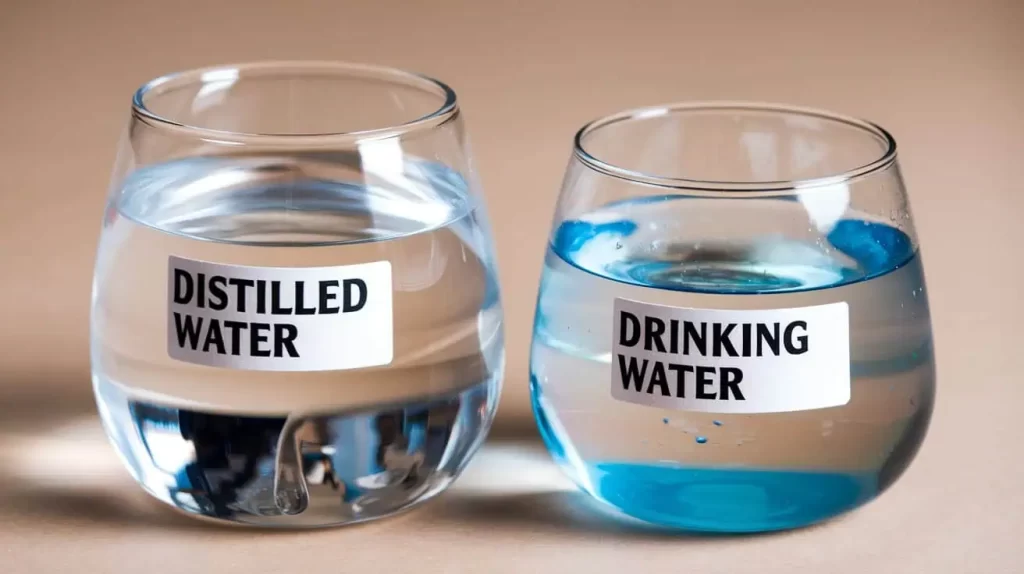
So, you’re standing in the grocery aisle, staring at a bottle of distilled water and a jug of drinking water. They look basically the same, right? Clear, no bubbles, just…water. It’s enough to make you shrug and grab whichever is cheaper. But trust me, there’s actually a pretty wild difference hiding inside those bottles.
The Boiling Truth: How They’re Made
Let’s start with the “how.” Drinking water is exactly what it sounds like—water that’s been treated to be safe to drink. Think of it as the friendly, everyday water that comes from your tap, just cleaned up a bit. It might come from a spring or a municipal supply, and it’s filtered for things like dirt and bacteria. It usually still has minerals in it—stuff like calcium and magnesium that you don’t really think about.
Now, distilled water is the overachiever. It goes through a process called distillation, which is basically a super-powered boil-and-condense routine. Imagine putting a pot of water on the stove, catching the steam, and turning that steam back into liquid. That’s it! The steam leaves behind almost everything—minerals, impurities, even most bacteria and viruses. The result is water that’s almost too pure.
Must Read
Why You Care About the Minerals
Here’s where it gets personal. That little pinch of minerals in drinking water? It actually gives water taste. You know that crisp, refreshing feeling when you drink a good bottle of spring water? That’s the minerals doing a happy dance on your tongue. Distilled water, on the other hand, tastes flat and almost hollow. It’s like listening to a song with no bass—technically music, but something’s missing.
So if you’re just thirsty after a jog or trying to hydrate for the day, drinking water is your pal. It’s what you want in your water bottle. Distilled water is more like a specialist—great for your iron, your car battery, or your fish tank, but kind of a buzzkill at a dinner party.
Little Stories from Real Life
My neighbor, Karen, once bought a gallon of distilled water by accident. She was making her morning coffee and bragged about how “pure” her brew was. One sip later, she looked at me like she’d been betrayed. “It tastes like nothing—it’s weird!” she said. That’s because coffee needs those minerals to help extract flavor from the grounds. Distilled water actually makes coffee taste dull. Lesson learned: save the distilled for your humidifier, not your French press.
On the flip side, my friend Dave uses distilled water in his CPAP machine for sleep apnea. Why? Because without those minerals, there’s no scale buildup inside the machine. It keeps it running clean and quiet, so he doesn’t wake up sounding like a broken lawnmower. See? Different jobs for different waters.
What Happens When You Drink It
Is it safe to drink distilled water? Sure, in a pinch. If you’re stranded on a desert island and you distill some ocean water, drink away. But sticking with distilled water long-term could actually leach minerals from your body. No joke—it’s so pure that it wants to balance itself by pulling electrolytes from your cells. Most of us get enough minerals from food, but still, it’s a little eerie. Drinking water just keeps things balanced naturally.
 Distilled Water vs Mineral Water vs Drinking Water
And let’s talk about the price. You might notice distilled water costs a bit more per gallon. That’s because it takes energy to boil and condense it. You’re paying for that extra science. Drinking water is usually cheaper because it’s just filtered and maybe hit with a little UV light. Your wallet will thank you for picking the right one.
Real-Life Cheatsheet
Here’s a quick way to remember: use drinking water for anything you’re about to put in your mouth. That’s tea, soup, juice, or just a big gulp on a hot day. Use distilled water for things you don’t want to get crusty. That’s your steam mop, your car’s radiator, your iron, or your fish tank. Goldfish hate chlorine and minerals—they’re divas and need the pure stuff.
Oh, and one more thing: if you live in a place with hard water (that white chalky stuff on your showerhead), drinking water from the tap is still totally fine. But distilled water is a lifesaver for appliances. I once had a kettle that died after six months because I used tap water in it. Now I give it a splash of distilled, and it’s been purring for years. My kettle is happier than I am at 7 AM.
The Bottom Line (With a Smile)
So when you reach for that bottle, think about what you’re doing. If you’re just quenching your thirst, go for drinking water—it’s the friendly neighborhood water with a little personality. If you’re filling up a humidifier so your houseplants don’t wilt, grab the distilled—it’s the clean freak that gets the job done without leaving spots. Both are great, but they’re not twins. They’re more like cousins who only see each other at holiday dinners.
The next time someone hands you a glass of water, ask them what kind it is. You’ll look like a water wizard, and you might even save them from a sad cup of coffee. Stay hydrated, friends—just pick the right backup dancer for your life’s stage.
