Compare Maintenance Plans For Leased Industrial Water Treatment Systems

Let’s be honest: comparing maintenance plans for leased industrial water treatment systems is about as exciting as watching paint dry on a humid day. But if you’ve ever had a...
Let’s be honest: comparing maintenance plans for leased industrial water treatment systems is about as exciting as watching paint dry on a humid day. But if you’ve ever had a machine go down on a Friday afternoon, you know it’s more like a horror movie than a boring slideshow. I’ve been there—standing in a puddle of regret, staring at a flashing error light, while the factory floor manager taps his foot like a metronome of doom.
So, before you sign that lease, think of maintenance plans like health insurance for your robot plumber. You want to make sure it covers the big stuff, not just a free oil change every six months. Let’s break it down with the kind of casual wisdom you’d get from a buddy over a beer.
Plan A: The “Set It and Forget It” Premium
This is the all-inclusive resort of maintenance plans. You pay a flat fee, and the leasing company does everything—from filter swaps to emergency calls at 2 AM. It feels like having a butler for your water, and honestly, it’s the closest you’ll ever get to feeling like a billionaire without the yacht.
Must Read
The downside? Your monthly payment might make you wince like you just stubbed your toe. But when a pump fails and a technician shows up in two hours with a smile and a replacement part, you’ll nod and think, “Worth every penny, you magnificent wizard.”
If you value sleep and hate surprises, this is your jam. It’s like leasing a car with a full wrap warranty—you never worry about the tire popping, because the magician in a van handles it.
Plan B: The “Pay as You Cry” Reactive Plan
This is the budget special. The lease is cheap, but maintenance is à la carte. Think of it as the water treatment equivalent of a “buy one, get one free” deal at a gas station sushi counter. You save money upfront, but every problem costs you double in stress and dollars.
I once had a customer who chose this plan because the sales guy said, “It’s usually fine.” Usually is a dirty word. Three months later, a clogged membrane caused a flood in the break room, and the repair bill was more than the annual premium. He looked at me like a puppy who just ate a sock—full of regret and shame.
This plan is fine if you have a golden retriever’s level of optimism and a fat emergency fund. Just be ready for a call at 3 PM on a holiday weekend, with a technician saying, “I can be there Tuesday, for double time.” Pro tip: Avoid this plan if you’re prone to road rage or crying in parking lots.
Plan C: The “Middle Child” Shared Responsibility
Ah, the compromise. You cover minor stuff—like replacing filters and greasing the seals—while the leasing company handles big repairs and breakdowns. It’s like sharing an apartment with a roommate who pays for the AC repair but expects you to vacuum. Annoying? Yes. Works? Usually.
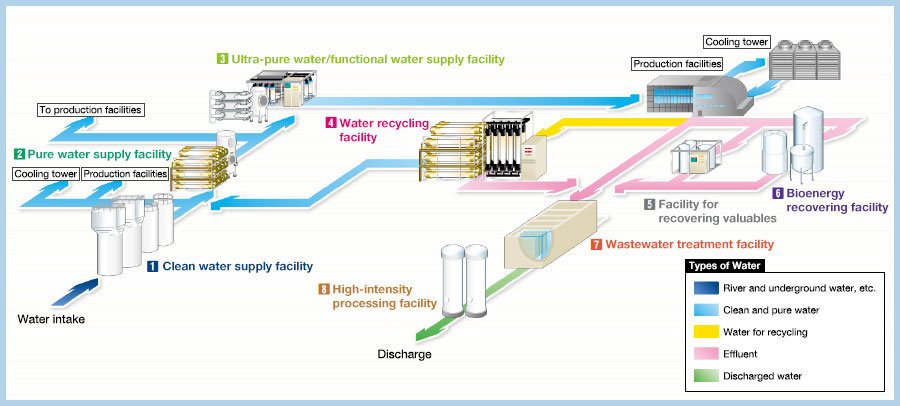 Industrial Water Treatment Process | Solution | Kobelco Eco-Solutions
The catch is that “minor” and “major” can be as blurry as a waterlogged receipt. One day, a small leak turns into a $800 pump replacement, and suddenly you’re arguing about whether it’s your fault for not noticing. Expect a few tense emails with bullet-pointed blame.
But for many small businesses, this plan hits the sweet spot. You save money, stay involved, and feel like a responsible adult—until you forget to change the filter and the system groans at you like a teenager being asked to do chores. Don’t be that person.
What to Look For in the Fine Print
No matter which plan you pick, read the contract like it’s a text from your ex—skeptically, with a magnifying glass. Look for the phrase “reasonable response time”—which can mean “sometime before the next ice age” depending on the company. Also, check what’s excluded: some plans treat “corrosion” like it’s a mythical creature, not a daily reality.
I once saw a plan that covered “all mechanical parts” but excluded valves. A water system without valves is like a coffee maker without a carafe. It’s just a sad, wet mess. Ask about filters, seals, and electrical components—because you don’t want a surprise bill for a $400 motherboard fried by humidity.
Finally, ask for references. Call another facility that uses the same plan. If they laugh nervously or say “fine,” you know it’s a disaster. If they say, “I barely think about it,” that’s the golden ticket.
The Bottom Line (or the Sump Pump of Truth)
Choosing a maintenance plan is like picking a seat on a long flight: you can gamble on the aisle with legroom (Plan C), hold your breath in the middle (Plan B), or pay extra for first-class peace of mind (Plan A). Your decision depends on how much turbulence you can handle—and your personal tolerance for soggy carpets.
So, give yourself a good laugh, read that fine print over a cup of coffee (hopefully from clean water), and pick the plan that lets you sleep at night. Because at the end of the day, nobody ever built a statue honoring a guy who saved $50 on a pump filter but lost a weekend to a flood. Be the person who drinks the clean water, not the one mopping it up.
