Evaluate The Water Filtration Company Quench On Sparkling Water Dispenser

So, you’ve been staring at your tap water like it personally offended you, and you’re considering a fancy water dispenser. Maybe you saw an ad for Quench, the company that pro...

So, you’ve been staring at your tap water like it personally offended you, and you’re considering a fancy water dispenser. Maybe you saw an ad for Quench, the company that promises to turn your office breakroom into a five-star spa. Or maybe you just want sparkling water without the guilt of a thousand plastic bottles haunting your recycling bin. Either way, you’re about to dive into the murky (but now filtered) waters of hydration history.
Let me tell you: evaluating a water filtration company is like judging a competitive eating contest—it looks simple, but there’s a ton of hidden drama. Quench is the big kid on the block, renting out those sleek, shiny dispensers that hiss like a contented cat when you press the button. My first encounter was in a dentist’s office waiting room, which is already a red flag—but the water was so crisp it almost made up for the impending root canal.
What Exactly Is Quench Selling?
Quench doesn’t just give you tap water with a fancy label; they install a whole filtration system inside the machine. Think of it as a water spa where your H2O gets a detox, a massage, and a fancy carbonation perm. Their sparkling water dispenser uses carbon dioxide and a multi-stage filter to strip out chlorine, lead, and whatever that creepy smell is from your old pipes.
Must Read
Here’s the kicker: the machine chills the water to face-numbing perfection before adding bubbles. I tested one at a friend’s office, and the first sip was so cold it gave me a brain freeze that lasted two minutes. Worth it. The bubbles were aggressive, like tiny, well-trained soccer fans doing a victory dance on my tongue.
The Sparkling Water Showdown: Quench vs. Your SodaStream
You might be thinking, “I already have a SodaStream, you fancy salesperson.” But let me stop you right there. A SodaStream is like a bicycle pump for your water; Quench is a professional carbonation machine that would make a Michelin-star chef weep. The difference is pressure: Quench uses a much higher CO2 pressure, which creates bubbles so fine they feel almost creamy. The SodaStream’s bubbles are more like a polite burp.
Also, Quench’s filter lasts for gallons and gallons—somewhere in the thousands—while your SodaStream filter is basically a tiny Brita that cries uncle after 60 liters. The surprising fact? A single Quench machine can produce over 1,500 eight-ounce glasses of sparkling water before needing a filter change. That’s enough to hydrate a small army of caffeinated accountants.
What’s the Catch? (There’s Always a Catch)
Okay, here’s the funny part: Quench doesn’t sell you the machine. They lease it to you, like a possessive ex who still wants to know your schedule. You pay a monthly fee that includes maintenance, filters, and the occasional service call when the CO2 tank runs out. It’s like a subscription for your hydration—Netflix, but you can drink it.
The price? For a commercial unit, you’re looking at $30 to $60 per month. For a home unit? They’ll sell you one directly for about $2,000, which is cheaper than buying 10,000 plastic bottles but still stings like a paper cut. And let’s be honest: if you’re the only person in your house who cares about fizzy water, you’re basically paying $50 a month to annoy your spouse with the hissing sound.
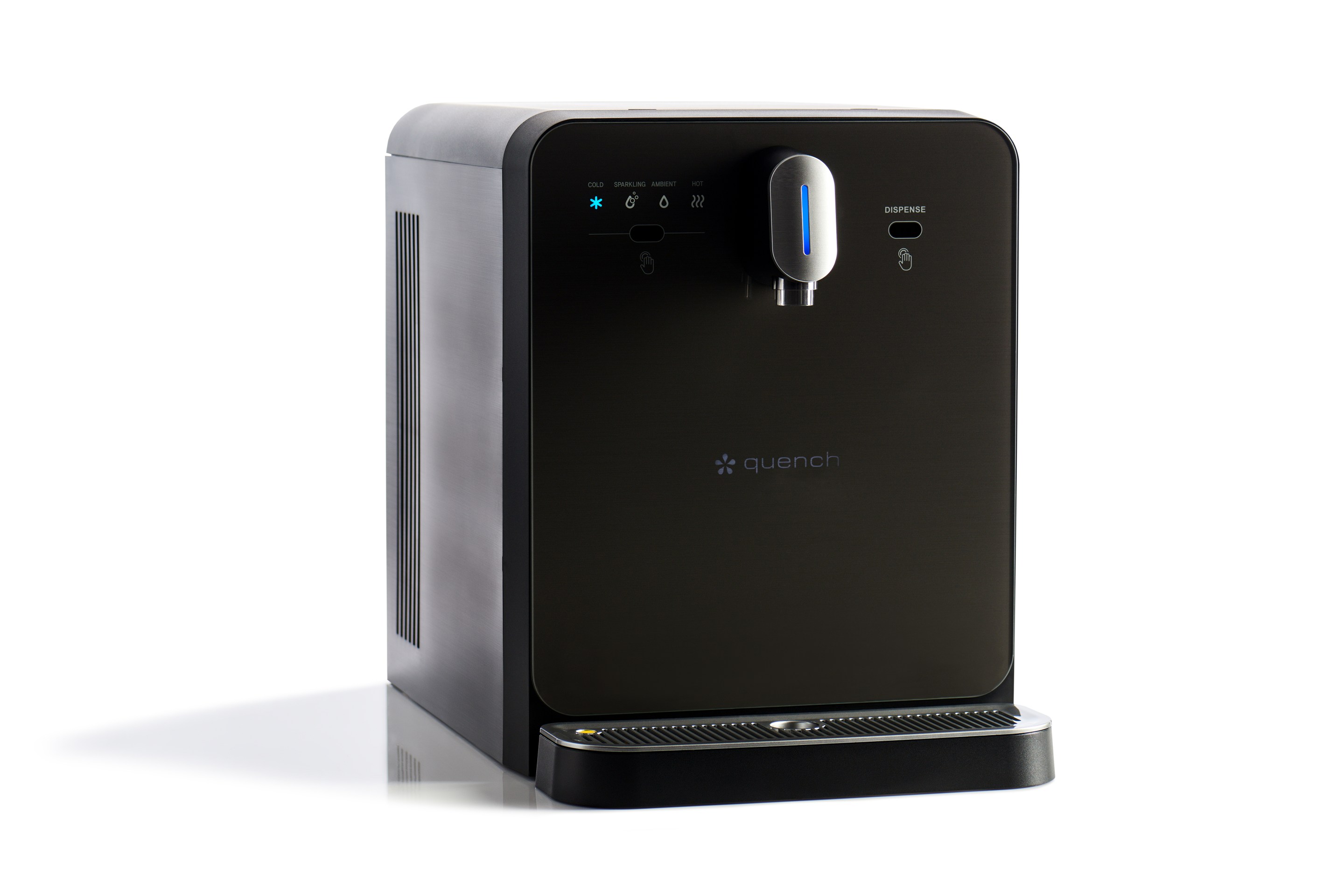 Sparkling and Flavored Water Systems
The Surprising Science of Fizz
Here’s a weird fact that will impress no one at parties: sparkling water is actually slightly more acidic than still water because of the carbonic acid formed from CO2. Your teeth might not love it, but your taste buds will throw a parade. Quench’s filtration removes the minerals that make some tap water taste like a wet sock, so the bubbly result is clean and neutral—like a Swiss bank account.
Another fun fact: the bubbles in Quench’s water are three times smaller than those in a typical soda fountain. Why? Because they use a “chilled carbonation” process where the CO2 is dissolved at near-freezing temperatures. Smaller bubbles mean less burping. I call it “dignified effervescence.” Your coworkers will thank you.
The Final Verdict: Should You Quench Your Thirst?
Look, if you drink sparkling water like it’s a religion (I’m looking at you, LaCroix fans), Quench is a fantastic option. It’s eco-friendly, saves you from hauling cases of plastic bottles from Costco, and the water genuinely tastes better than any seltzer I’ve ever bought. But if you’re just a casual sipper, your refrigerator’s ice dispenser might be enough to hold you over.
My personal experience? I spent a week at an office that had a Quench machine, and by day three, I was literally dreaming about the carbonation. I missed the hiss. I missed the tiny, jazz-hands celebration of bubbles. My tap water at home started tasting like betrayal. Quench is a luxury, sure, but it’s a luxury that makes you feel like a hydration aristocrat.
So, go ahead. Evaluate the company. Try a demo. Just be warned: you might never look at a bottle of club soda the same way again. And if your dentist asks why you’re grinning so wide while he’s drilling? Blame the bubbles.
